|
by elephantjournal dotcom on May 29, 2008
 Colony Collapse Disorder
—and how you and your backyard can stop it.
The bee: a small
insect with a flair for architecture, a sweet harvest and a colossal
influence on our lives. It turns out we’ve been taking them a bit for
granted. They might not be among the disrespected members of the insect
world (ants, cockroaches, weevils, mosquitoes anyone?), but—up until
recently—few of us understood the role they play in the running of our
planet’s biosphere.
That is about to change—if it hasn’t already. News of Colony Collapse Disorder (C.C.D.)—the
mysterious affliction that has struck the colonies of commercial
beekeepers everywhere, robbing entire hives of their navigational
abilities and killing billions of bees—has hit the mainstream. We don’t
yet know exactly what causes C.C.D.—but we do know that we can’t afford
to lose those keystone workerbees. Edward O. Wilson, the renowned
Harvard biologist and two-time Pulitzer Prize winner, has referred to
bees and other pollinators as the “heart of the biosphere.” What would
happen without them? Not much, it turns out: crops not pollinated,
reduced harvests, less forage for domestic and wild herbivores, no
honey, fewer flowers, a ripple effect on the biosphere and the economy.
Many who hear about the bee’s plight are frustrated: “What the
heck can I do to help bees?!” Protest (to whom, and about what)? Don’t
buy bee products? Buy more bee products? Pray? Give up all hope?
Happily, there is something you and I can do—something that can have an
effect far beyond the short-term “saving” of the viable bee population.

Human beings have had a close relationship with bees for
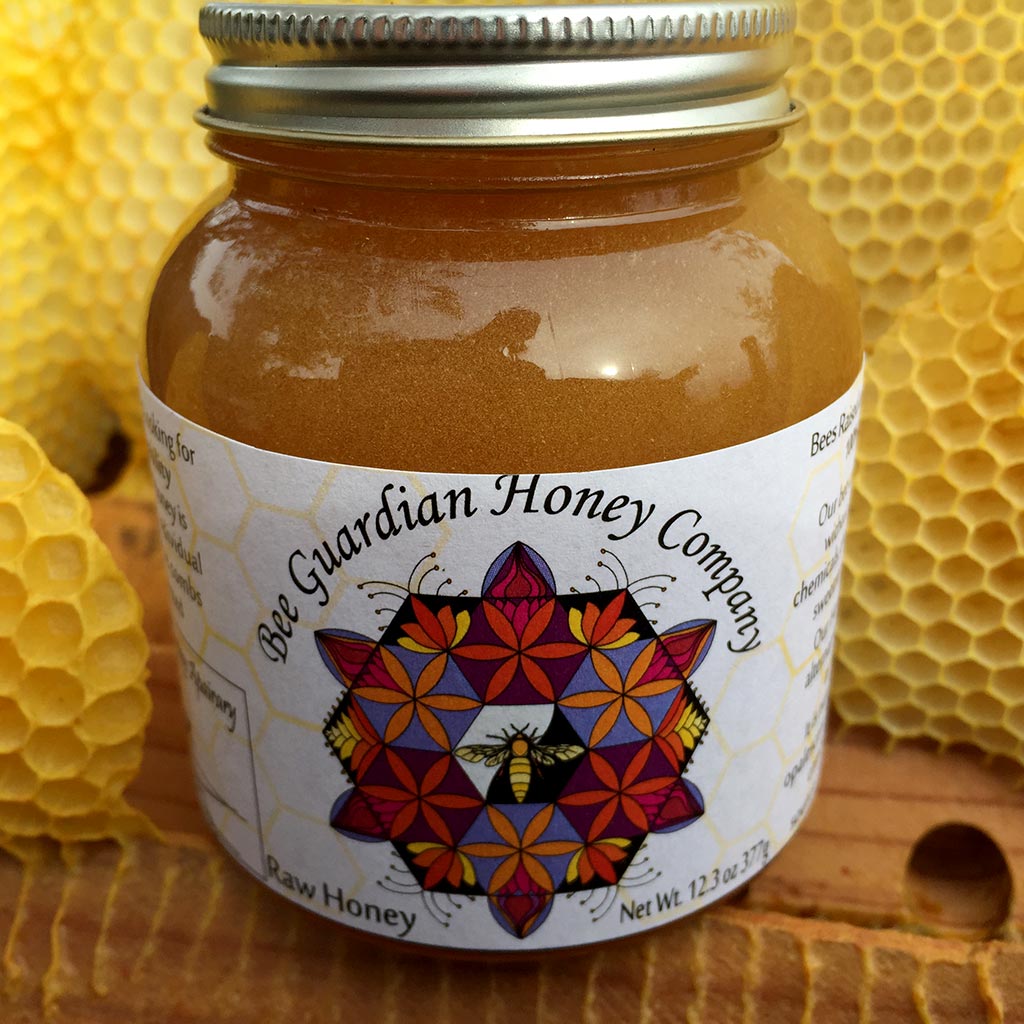
millennia. Paintings and engravings of people tending hives—whether in
trees, hollow logs or conical straw baskets—adorn artifacts from
ancient times through the 19th century. Until recently, the keeping of
bees was a small-scale enterprise, practiced by individuals. It was an
integral part of the sovereignty of local food sources, providing
pollination for crops, honey, propolis and pollen for consumption and
medicinal purposes and wax for candles, seals and countless other uses.
Food sovereignty: a new name for a movement begun in the
1990s: the fundamental right of peoples and economies to control the
means and production of their own food. What’s that you say? “Isn’t
that what we already do?” A moment’s thought will disabuse you of that
happy fantasy. The market—corporations, governments, banks—controls our
food. It’s almost completely out of our hands—and that includes
beekeeping. Those small-scale local bee stewards of centuries past have
morphed into giant operations involving the care and transport of
millions and millions of bees by relatively few people. All those bees
in one place are susceptible to the concentrated ills of large-scale
farming: the unknown effects of genetically modified crops, pesticides,
herbicides, the destruction of genetic diversity, stresses from the
constant moving of their hives—all of which undoubtedly contribute to
the viral nature and spread of C.C.D. But what if—as in times
past—thousands of hives dotted the urban, suburban and rural landscape,
pollinating small organic farms and city gardens, supporting not only
the biosphere but the health of the residents through their
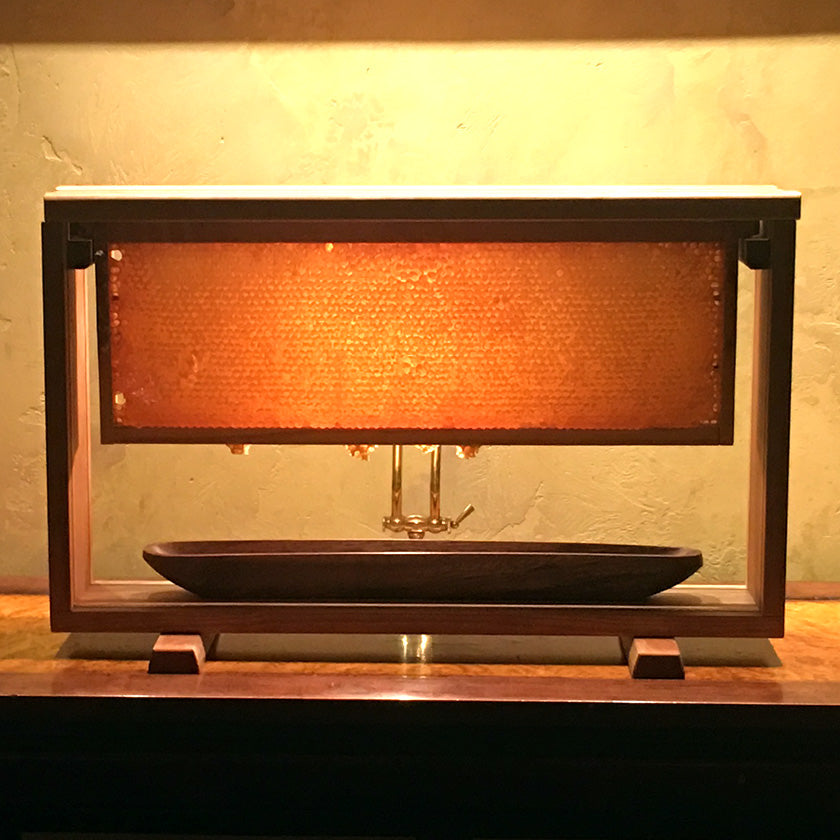
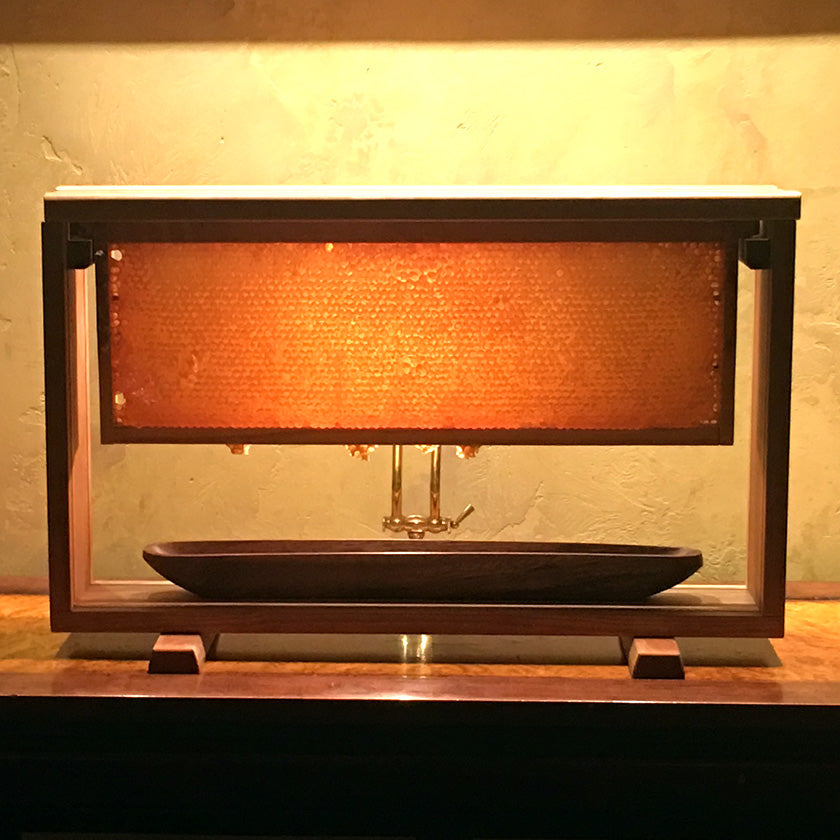
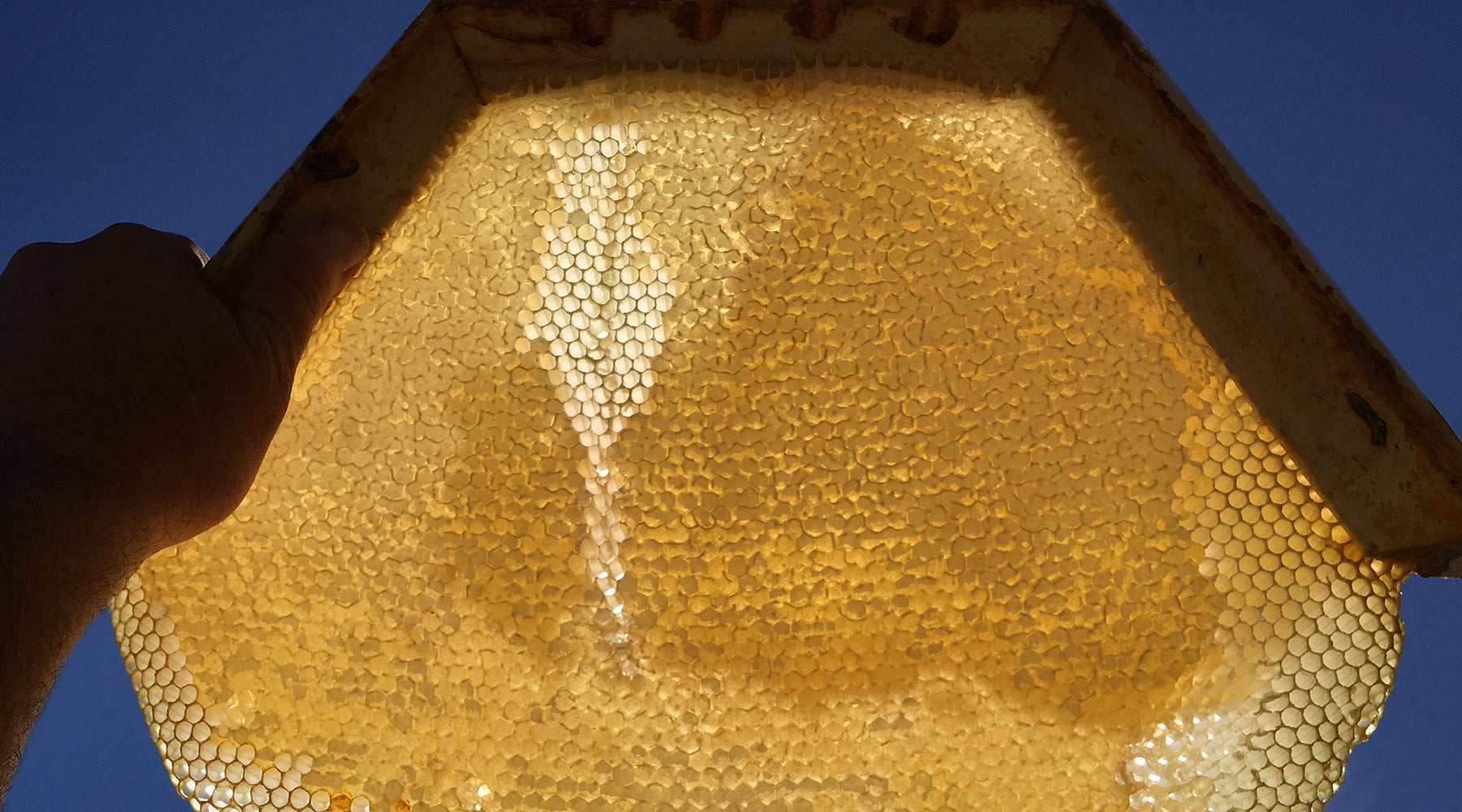
vitamin-packed, antibacterial, allergy-fighting, locally-produced amber
ambrosia? One vital element—the heart—of the local agricultural
economy, would once again be in the hands of the natives. It’s possible.

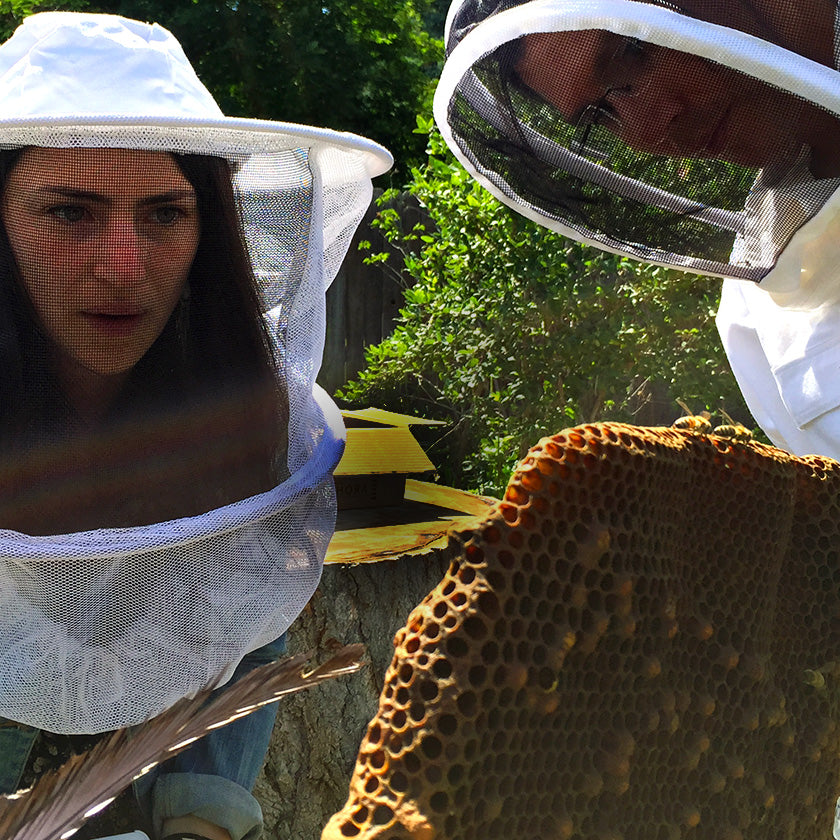
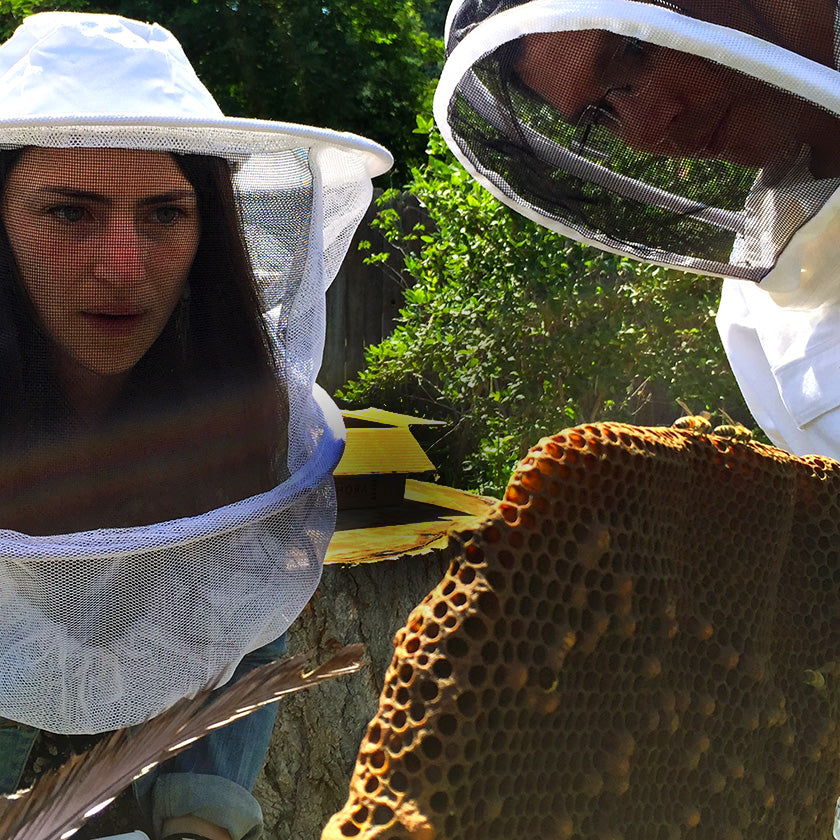
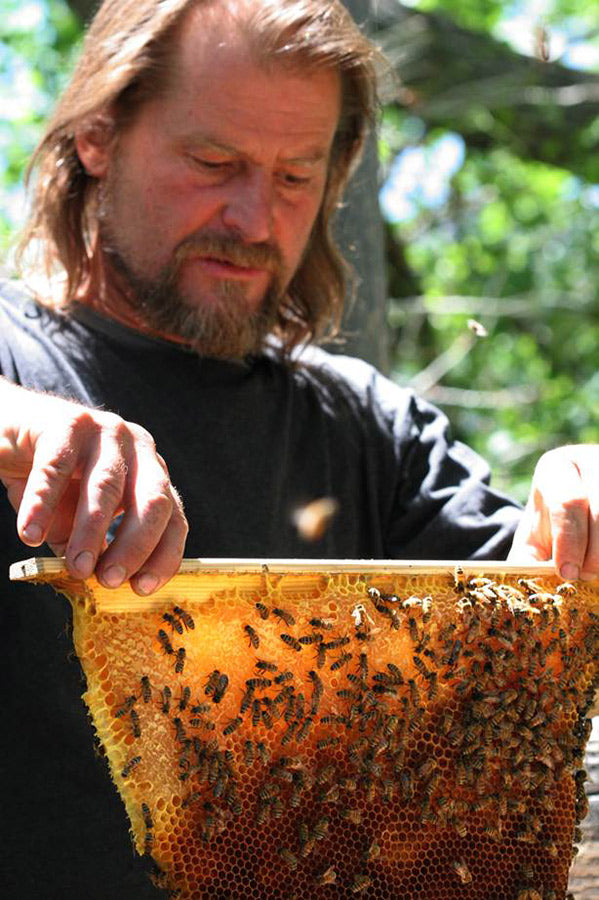
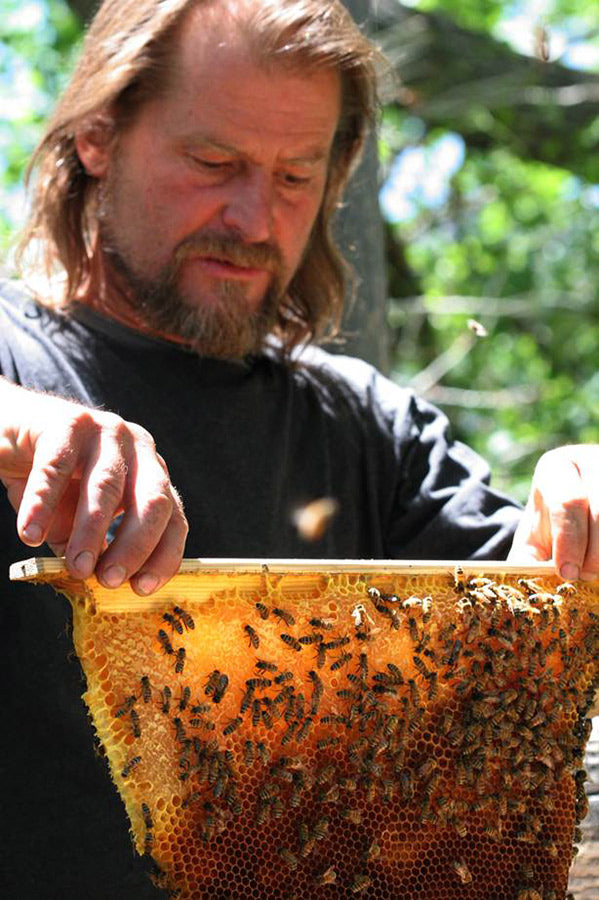
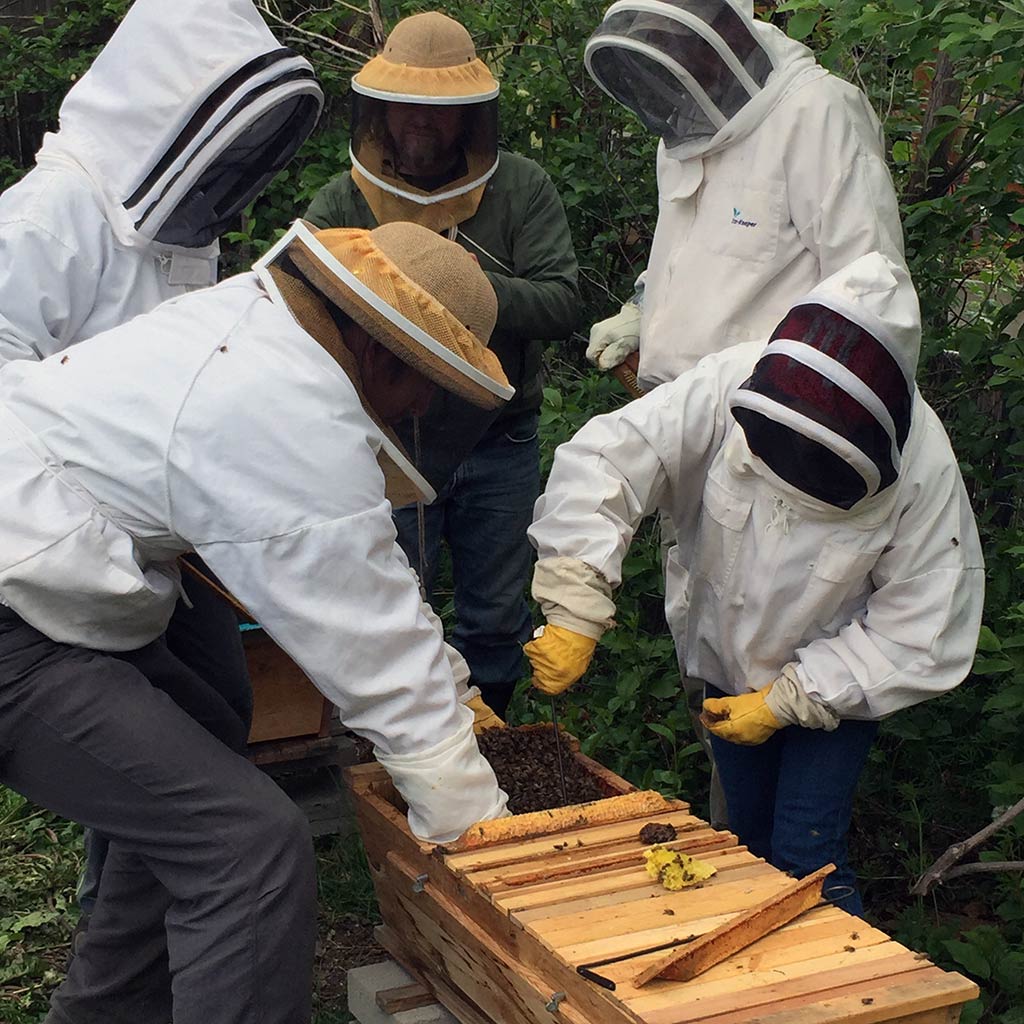
Now, here’s where you come in: you’re a bee guardian. A hive
in your backyard, a pot of honey in all your neighbor’s cupboards, your
neighborhood’s crops and flowers flourishing—no chemicals or
corporations necessary. But keeping bees? Isn’t that, well, for
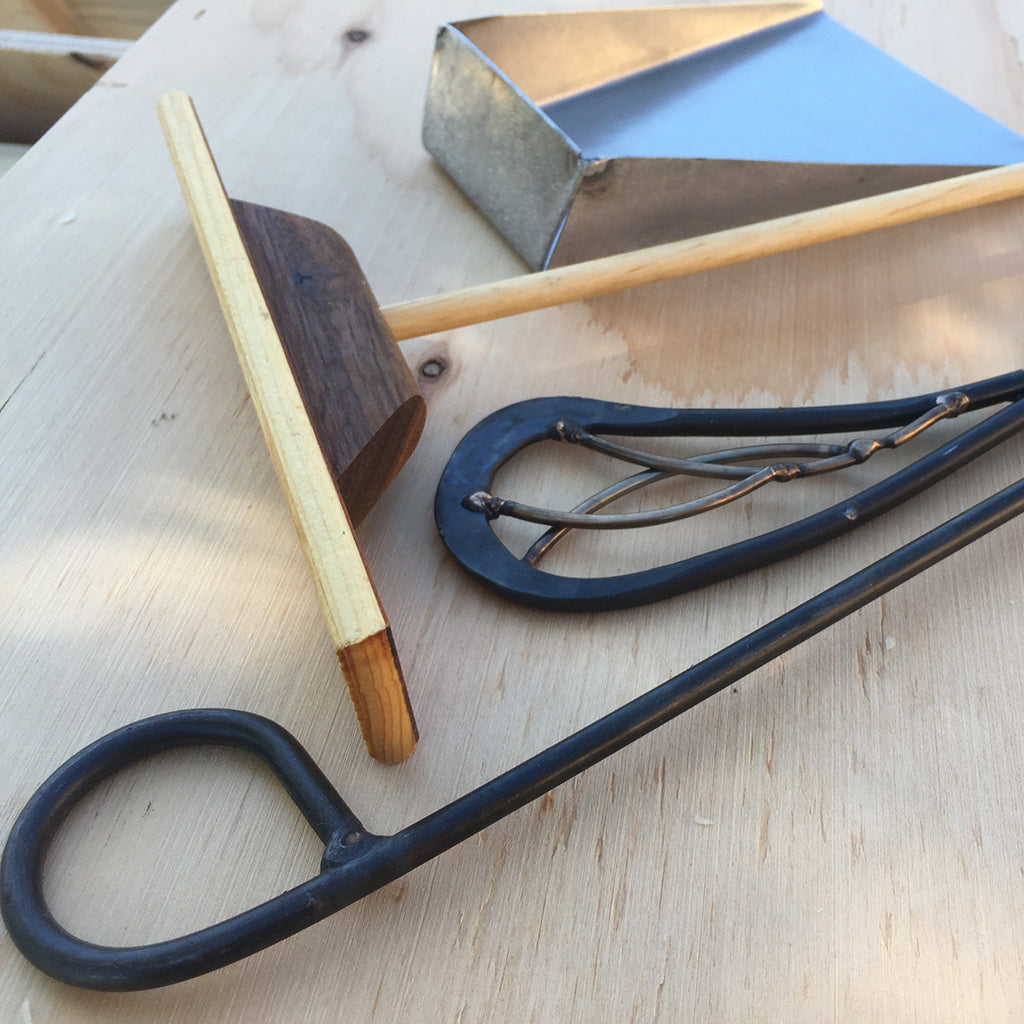
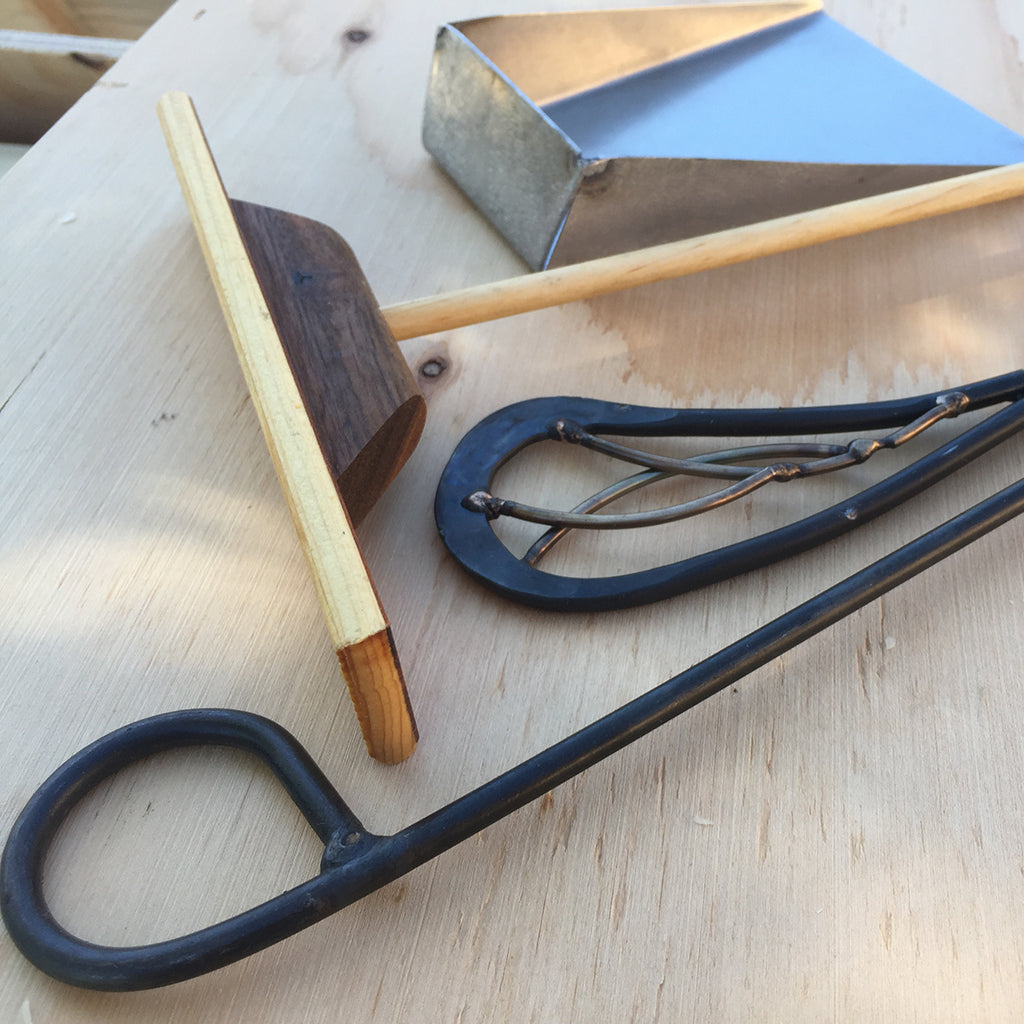
beekeepers? Frames, foundation combs, honey supers, queen excluders,
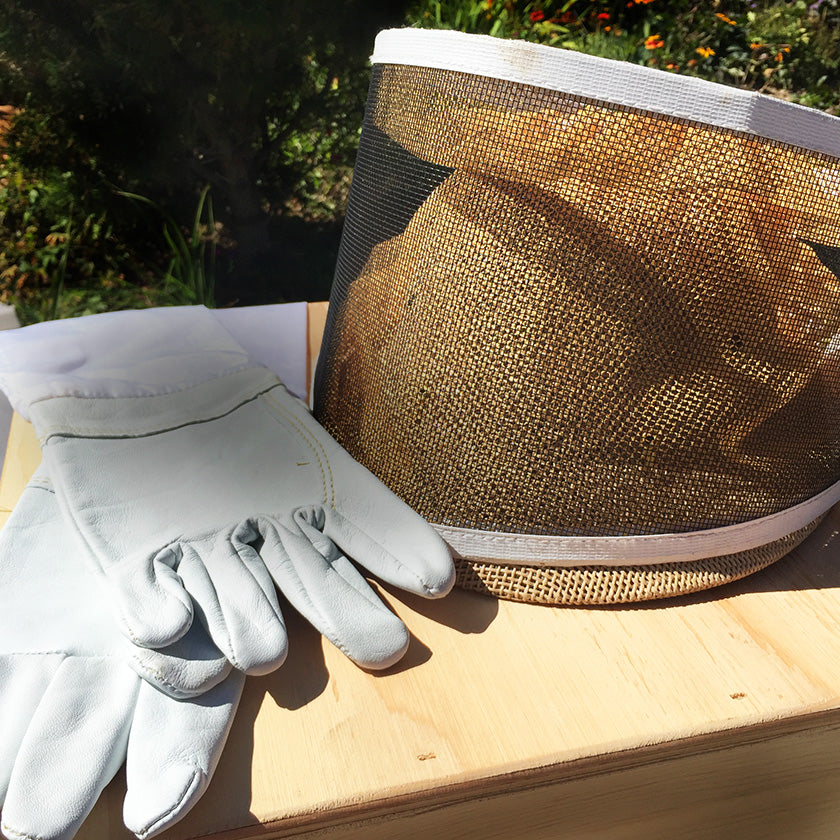
centrifuges, smokers, big white suits? Actually, no. Those things are
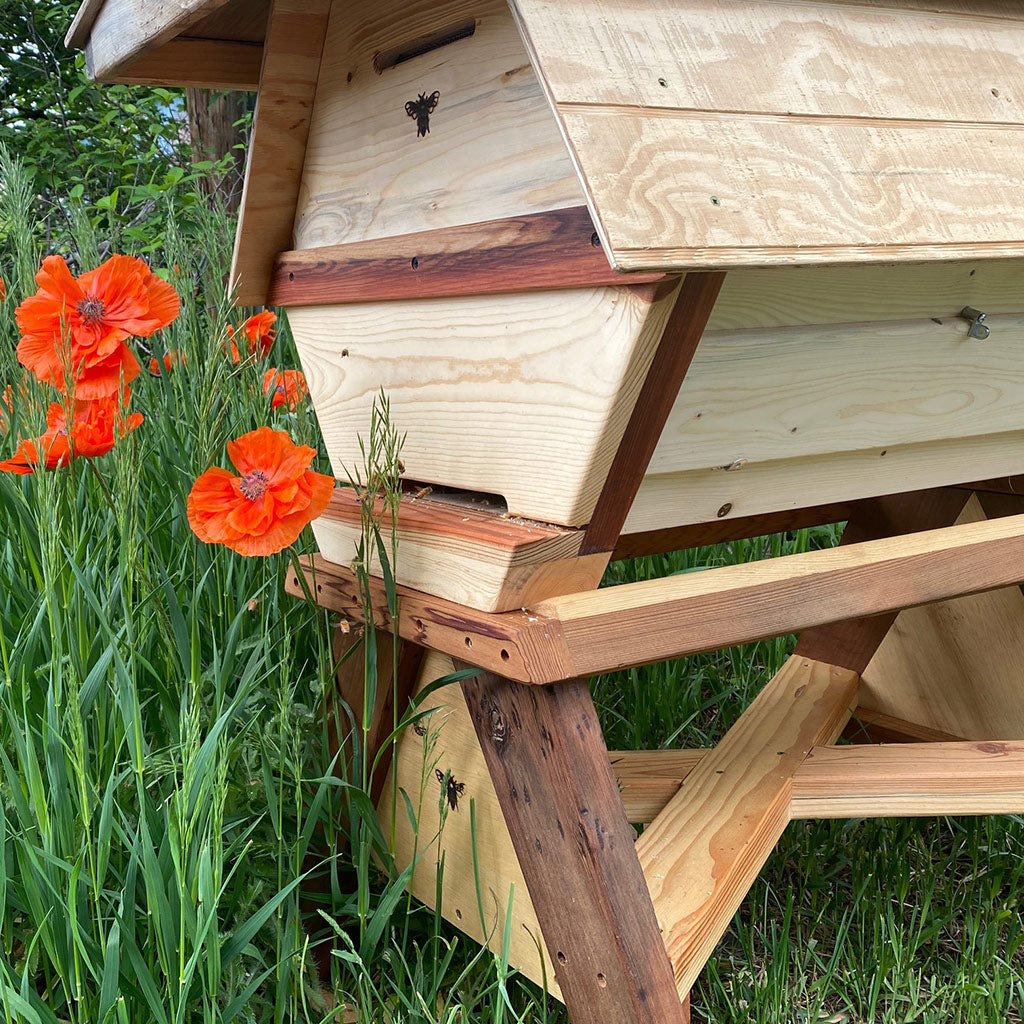
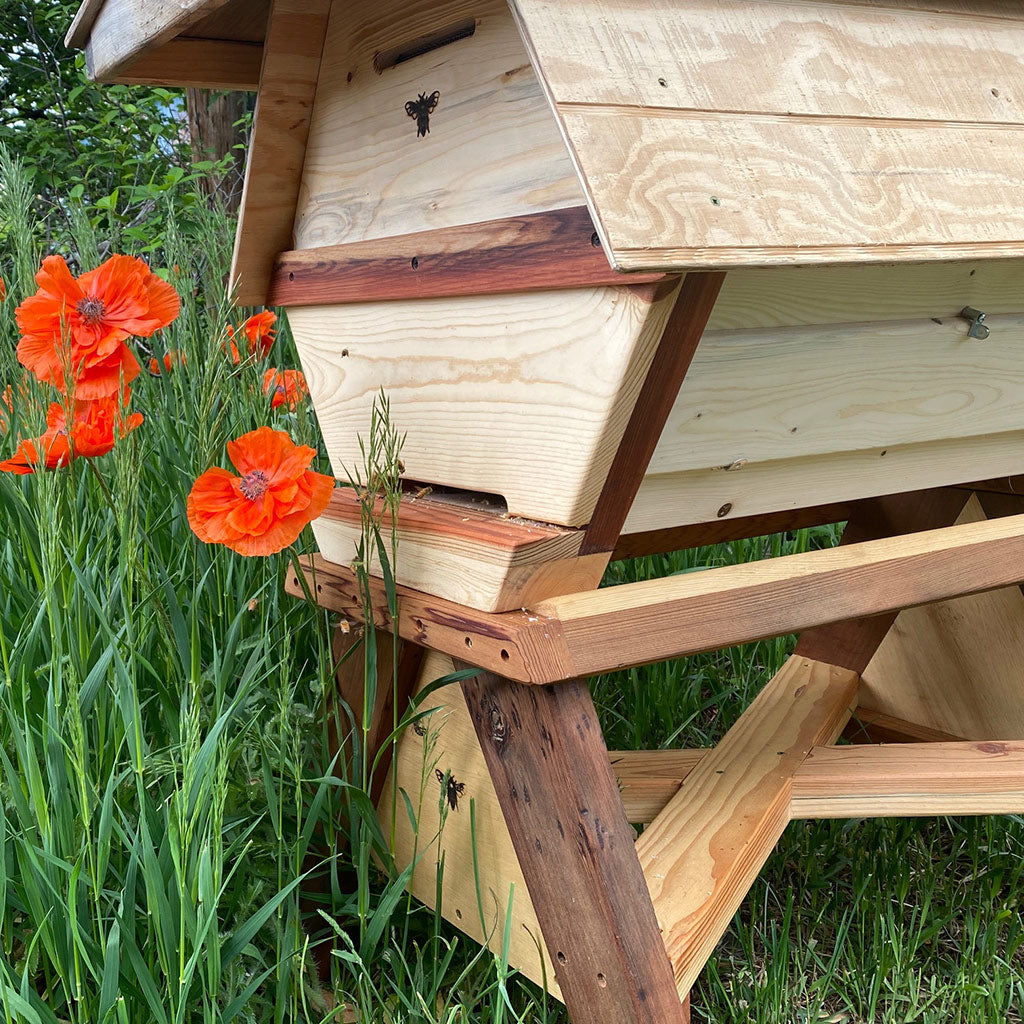
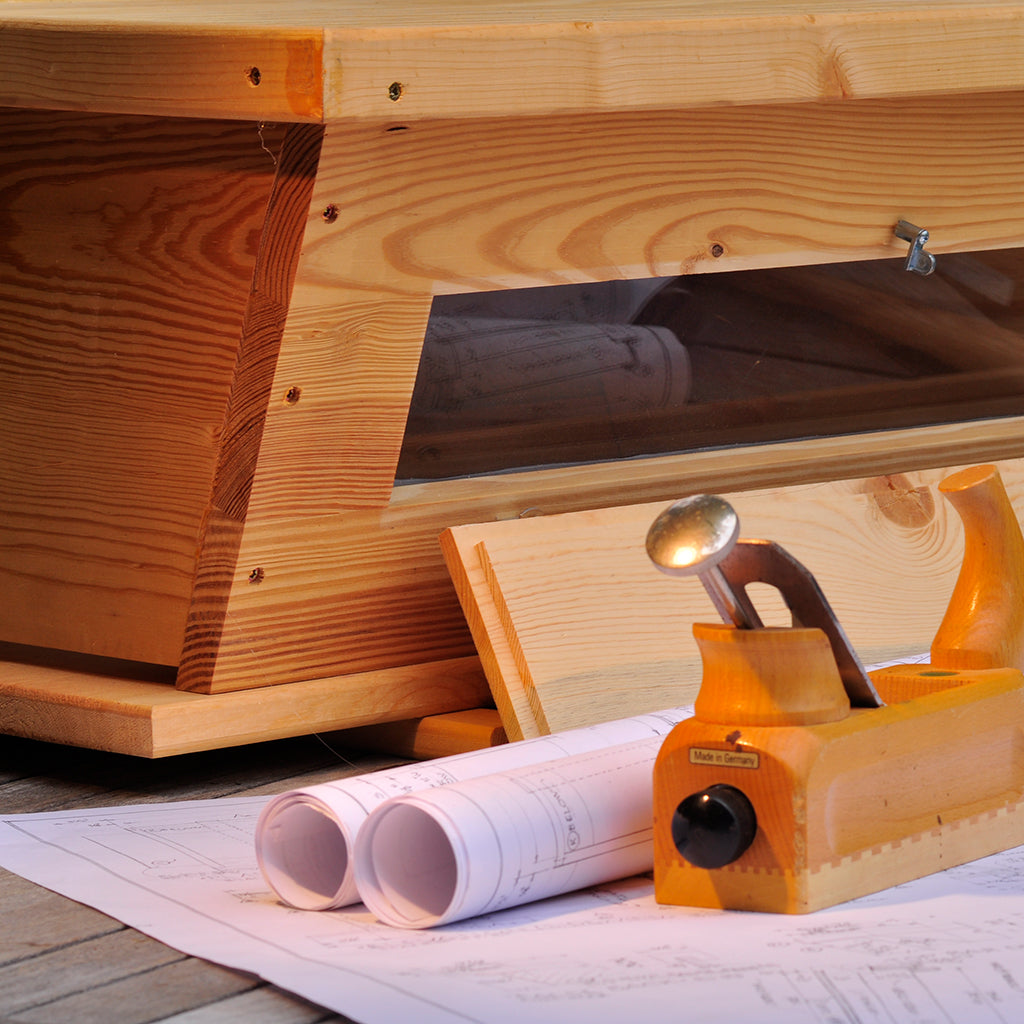
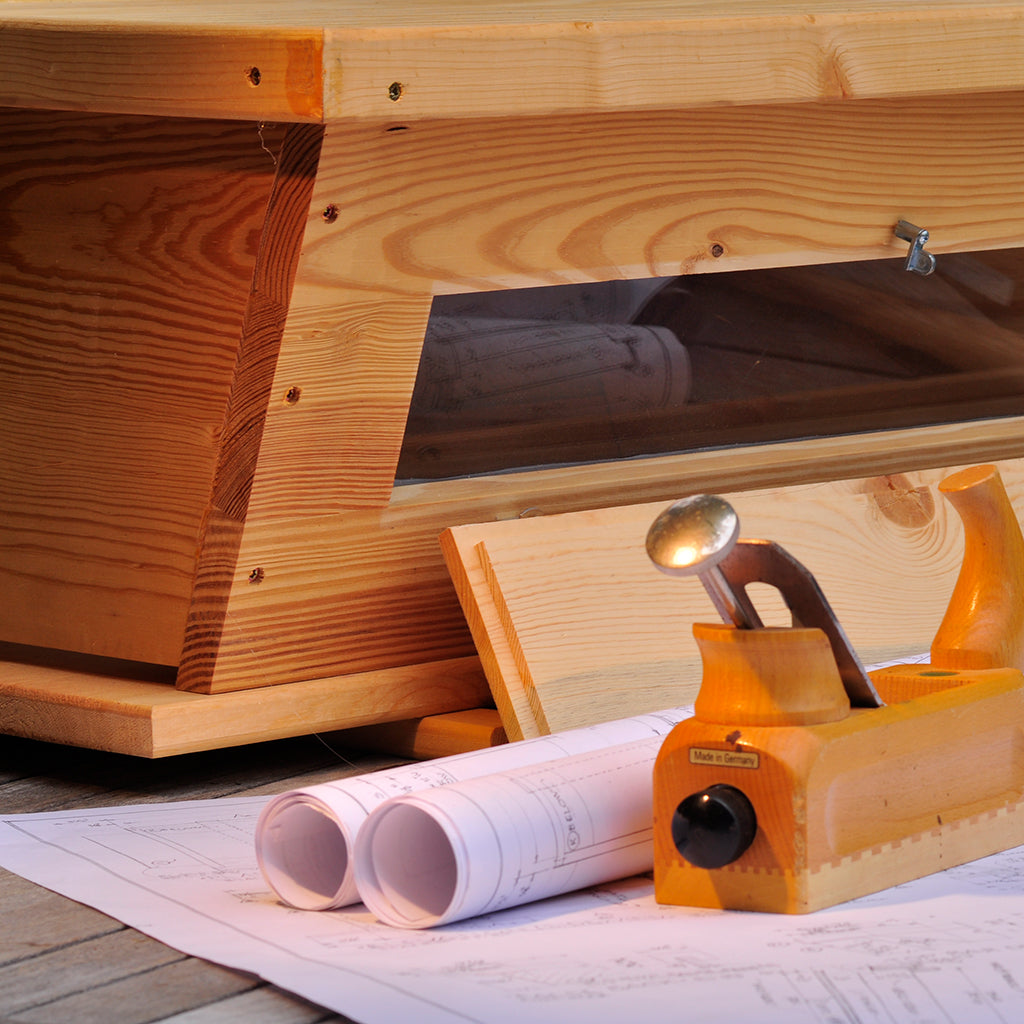
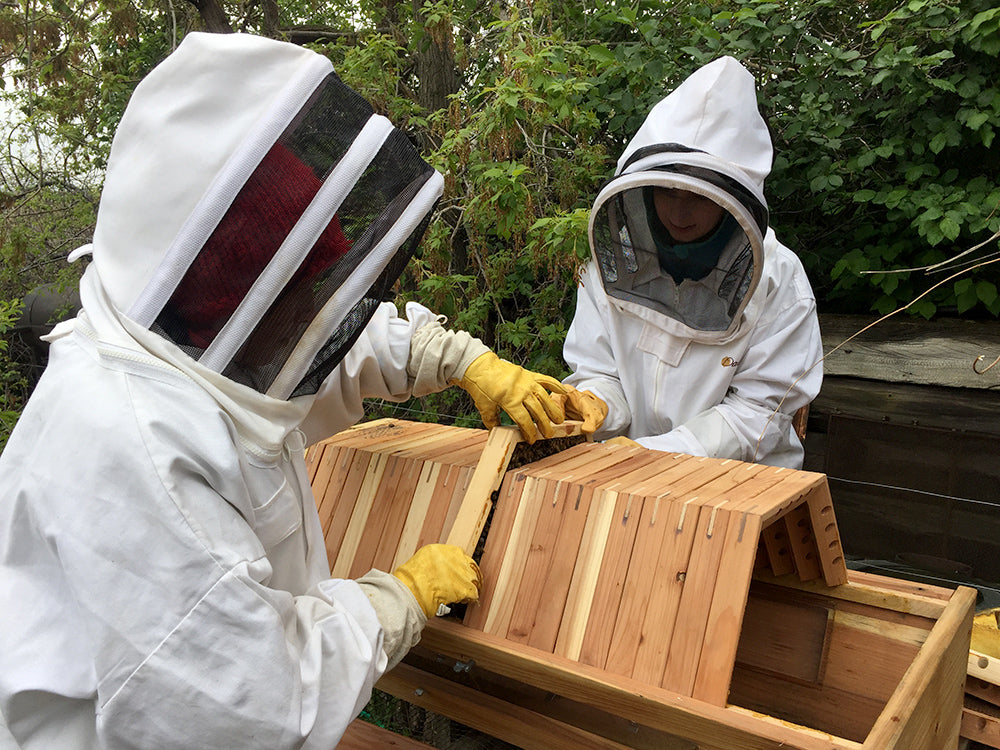
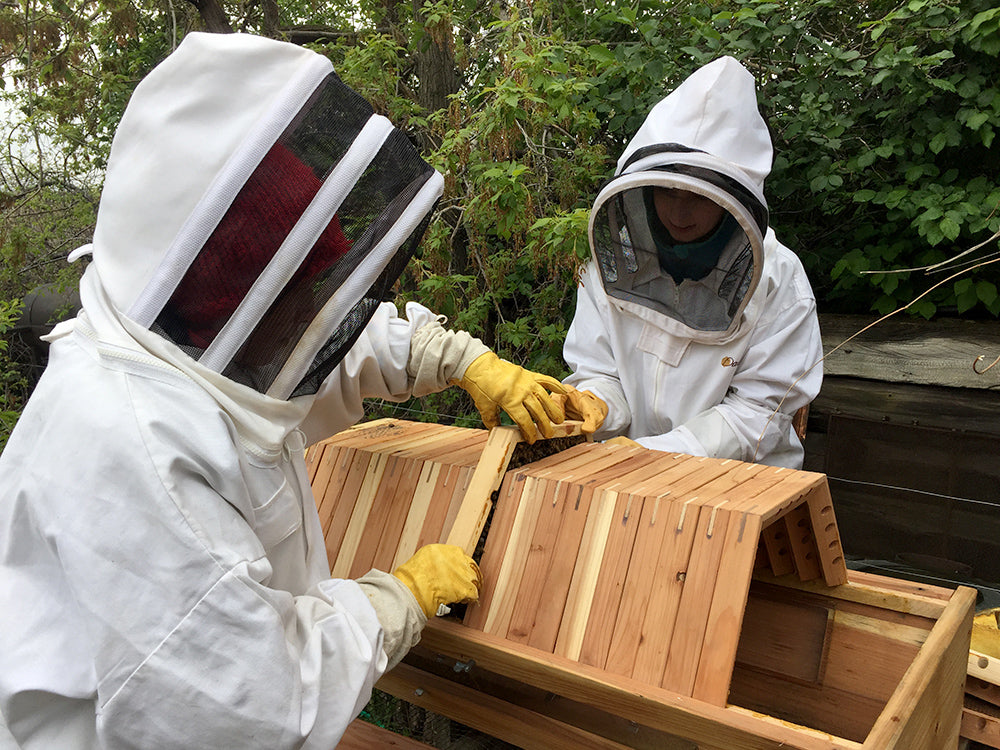
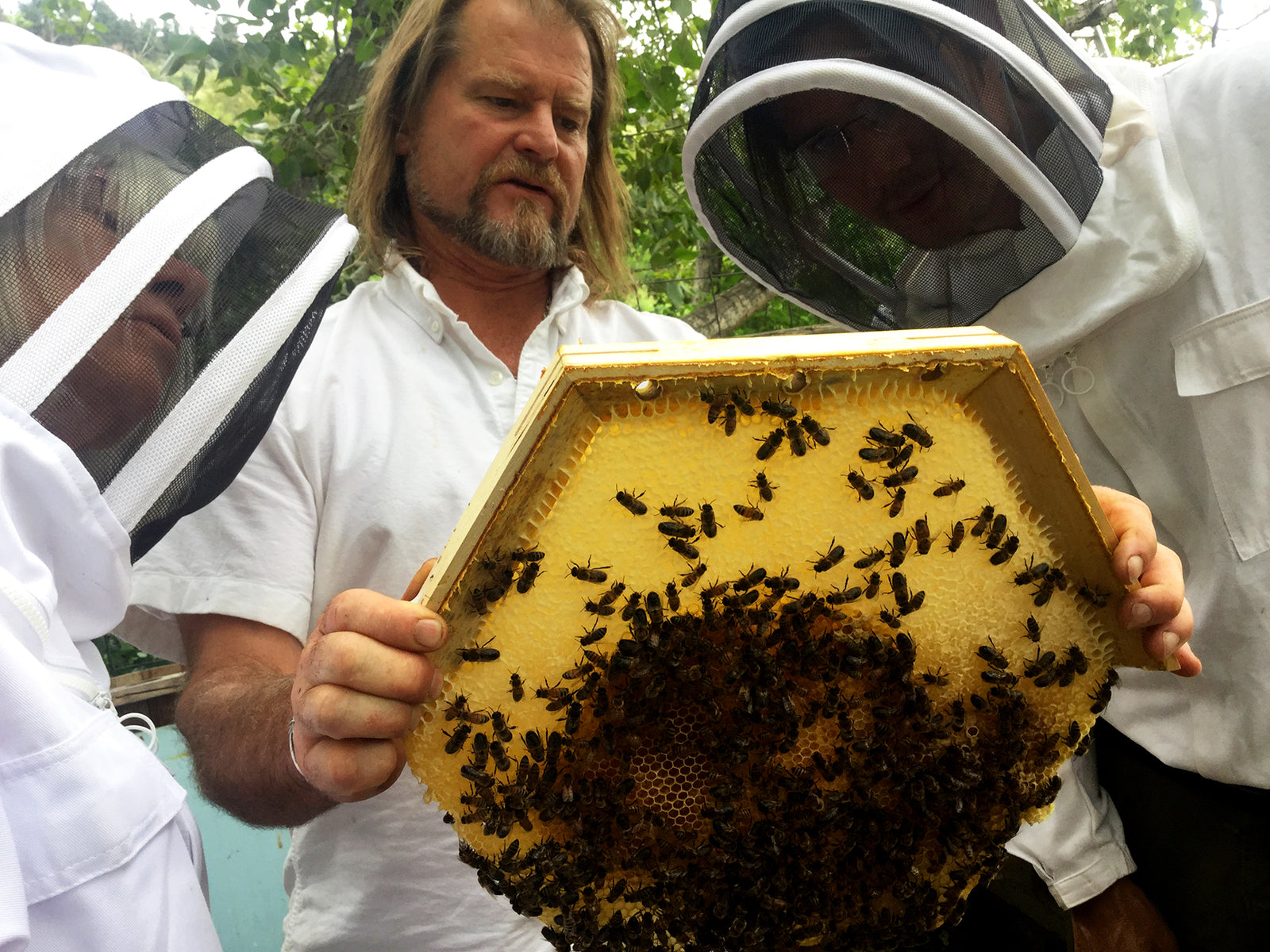
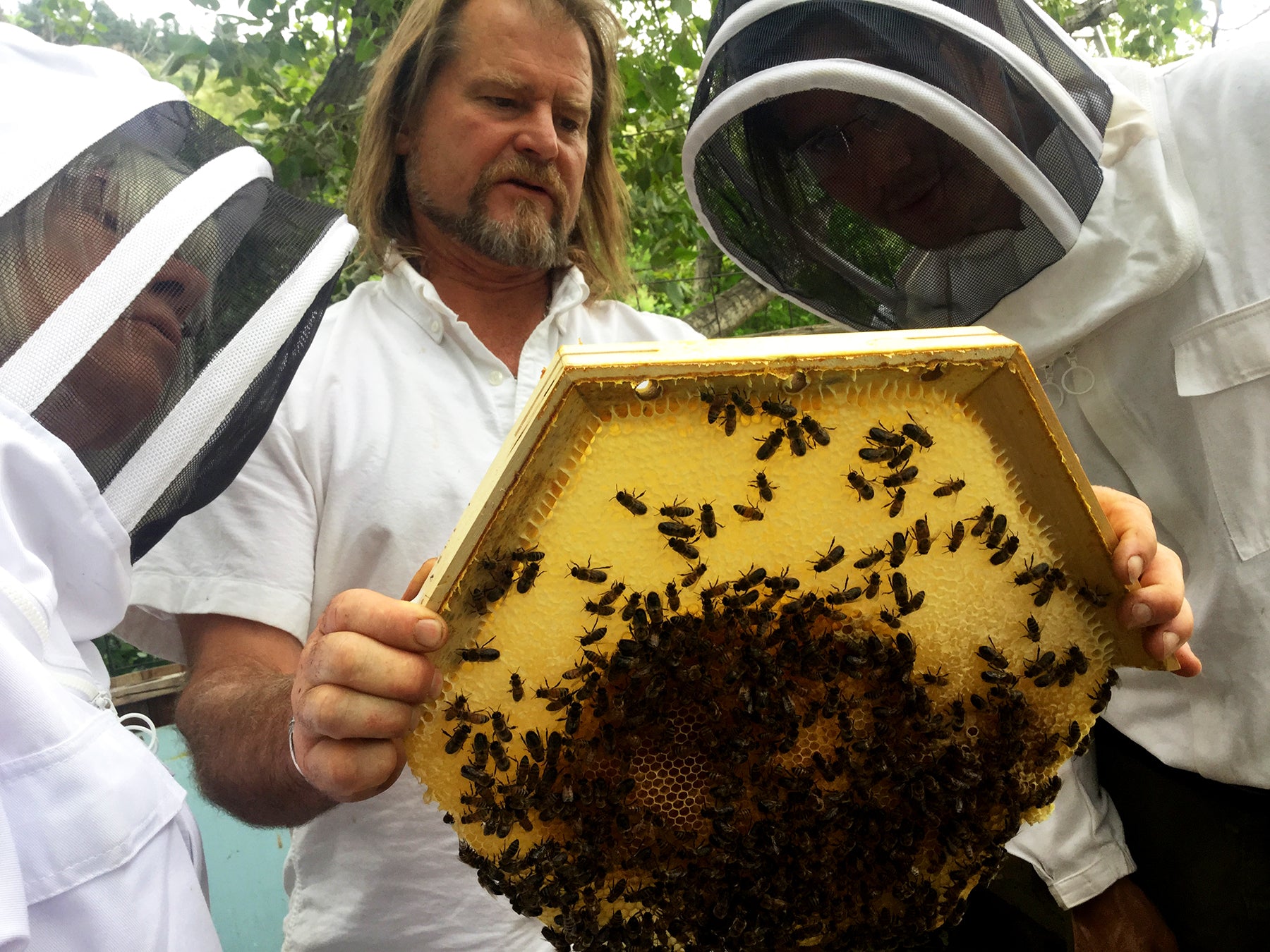
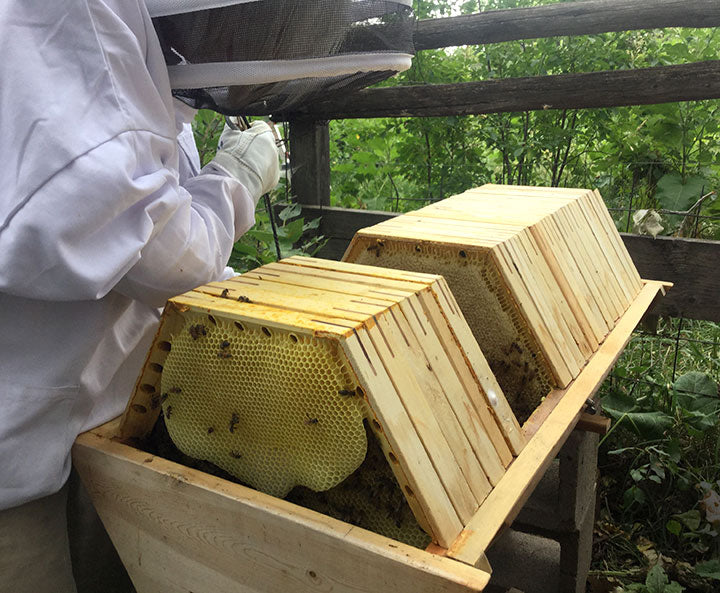
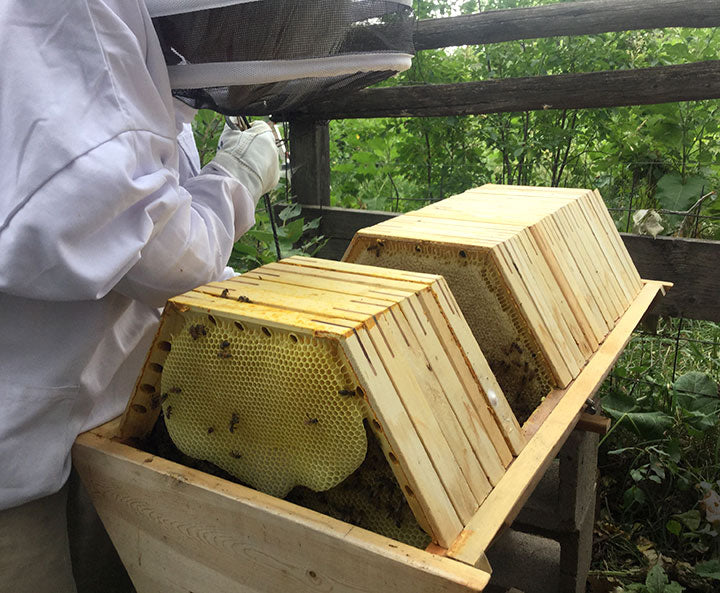
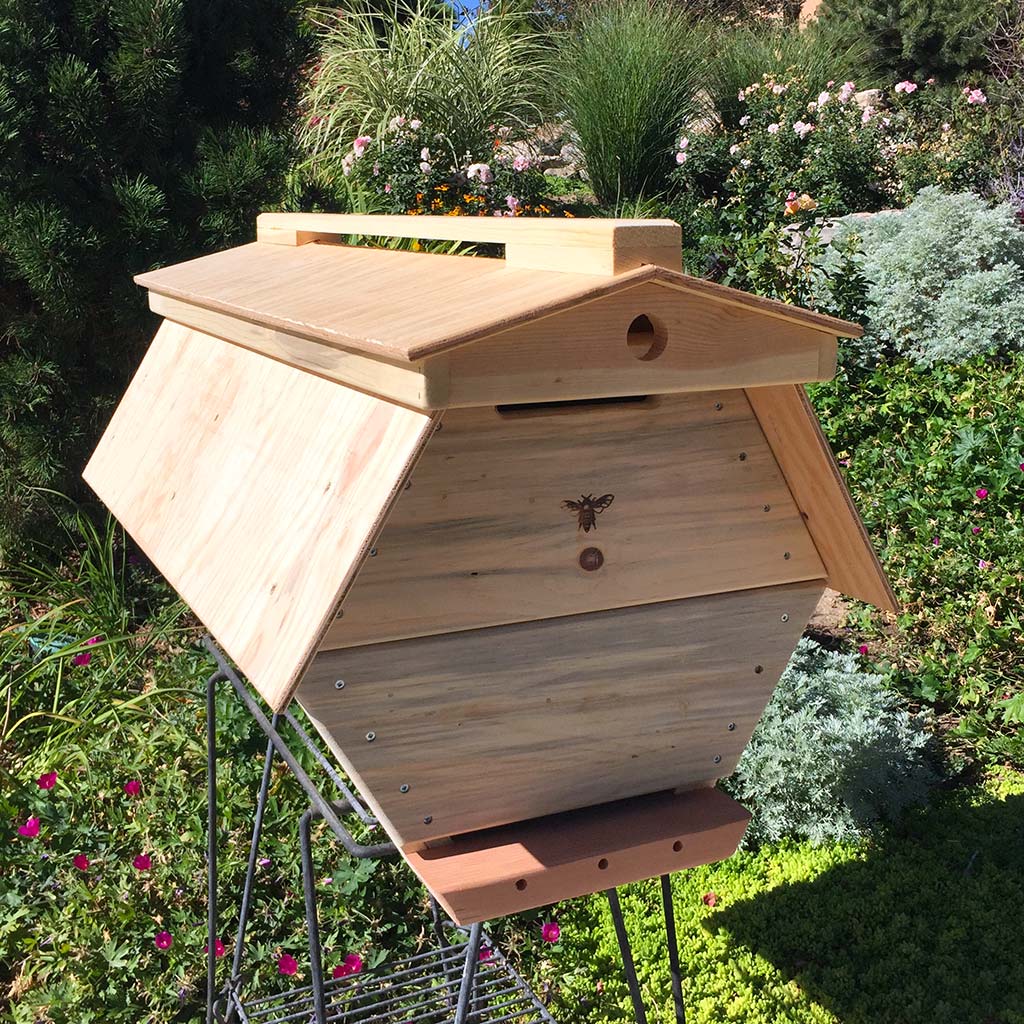
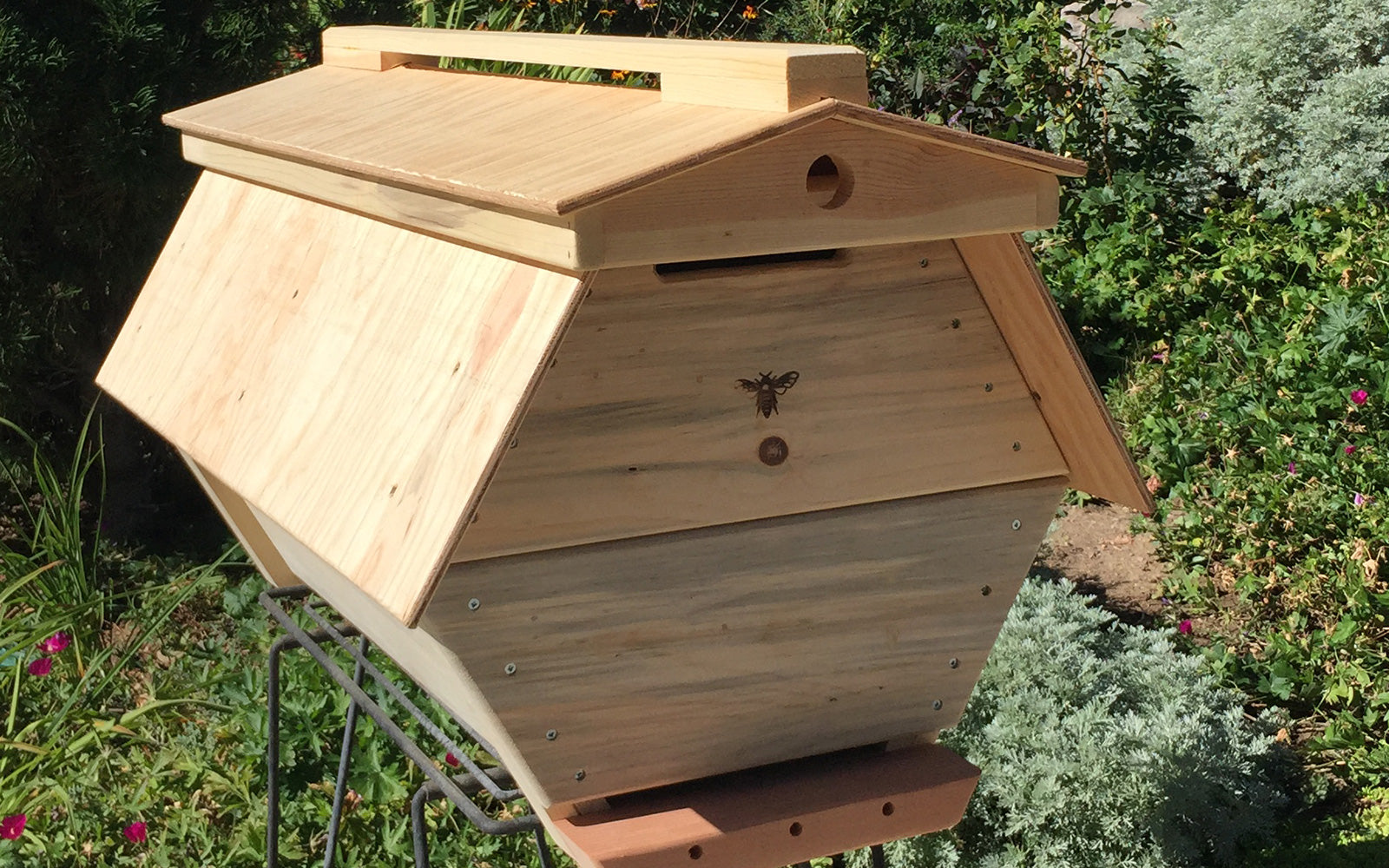
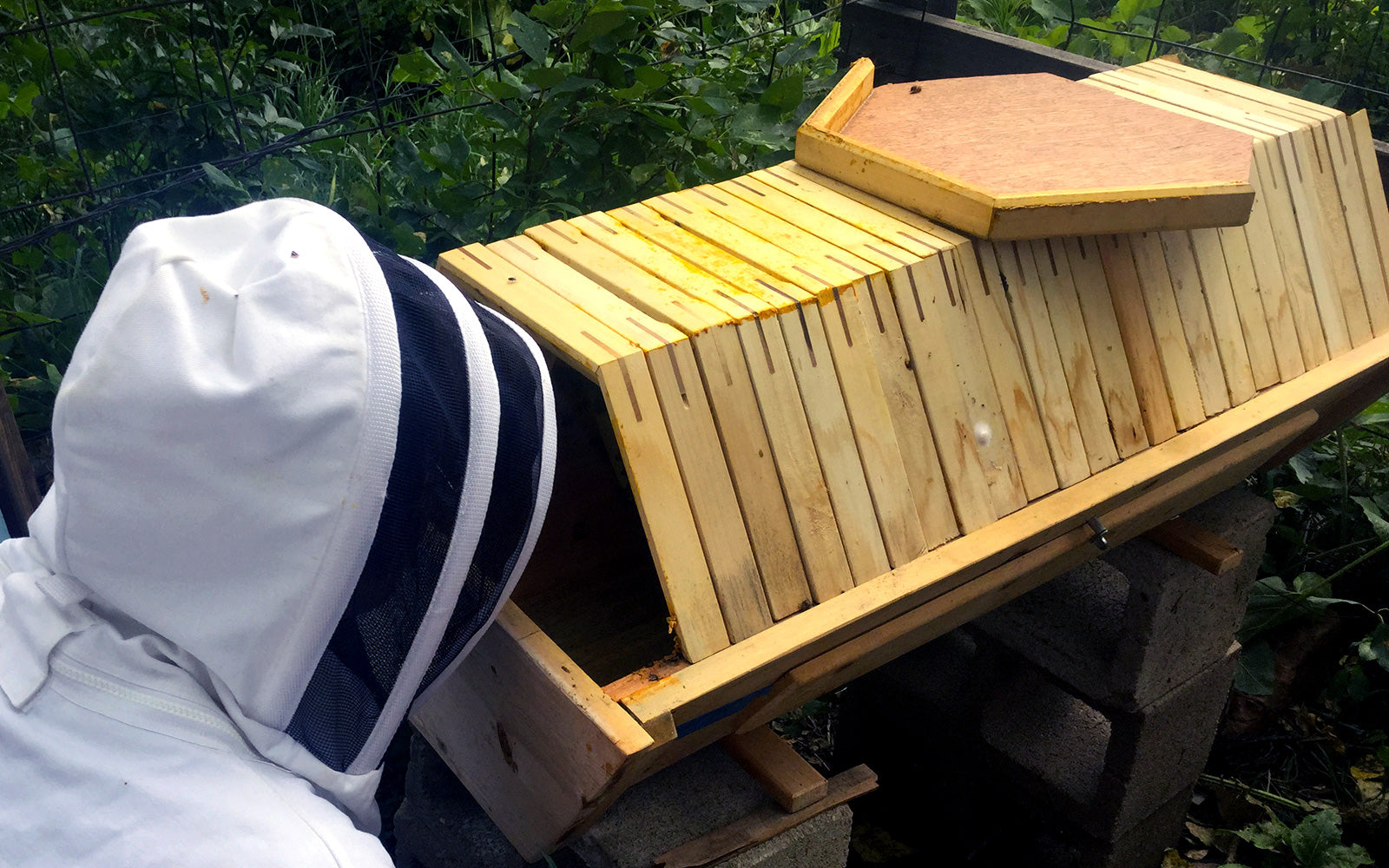
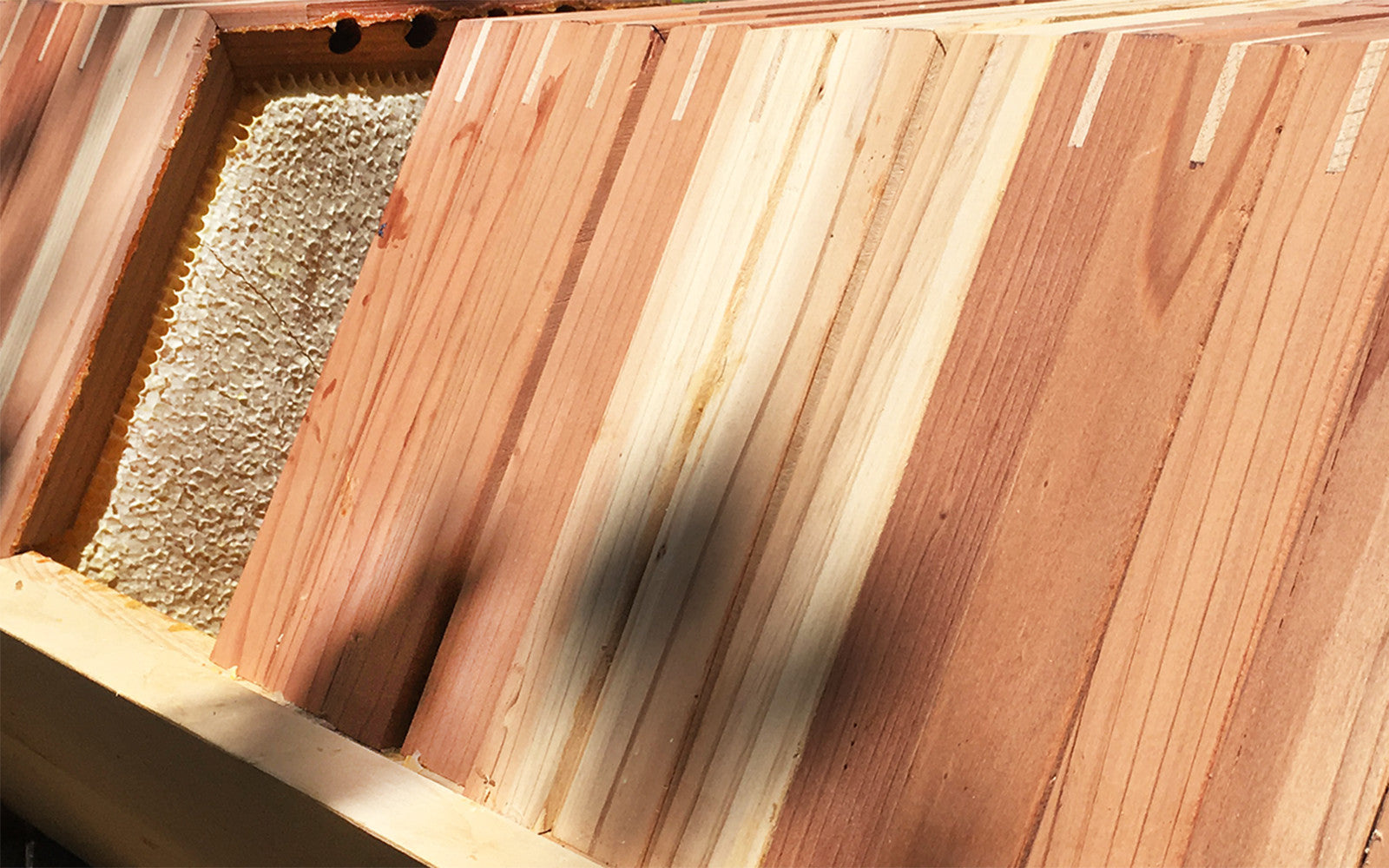
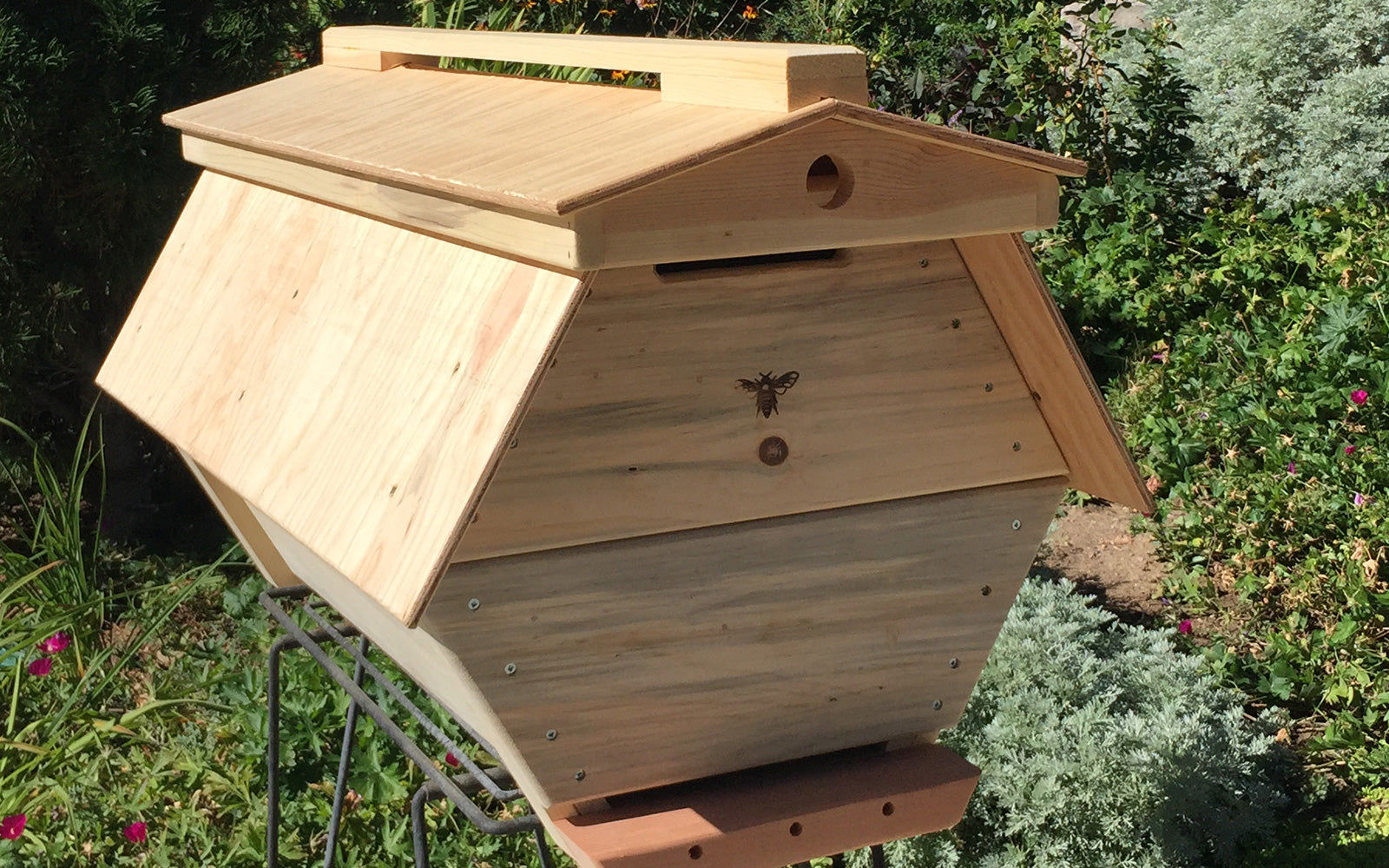
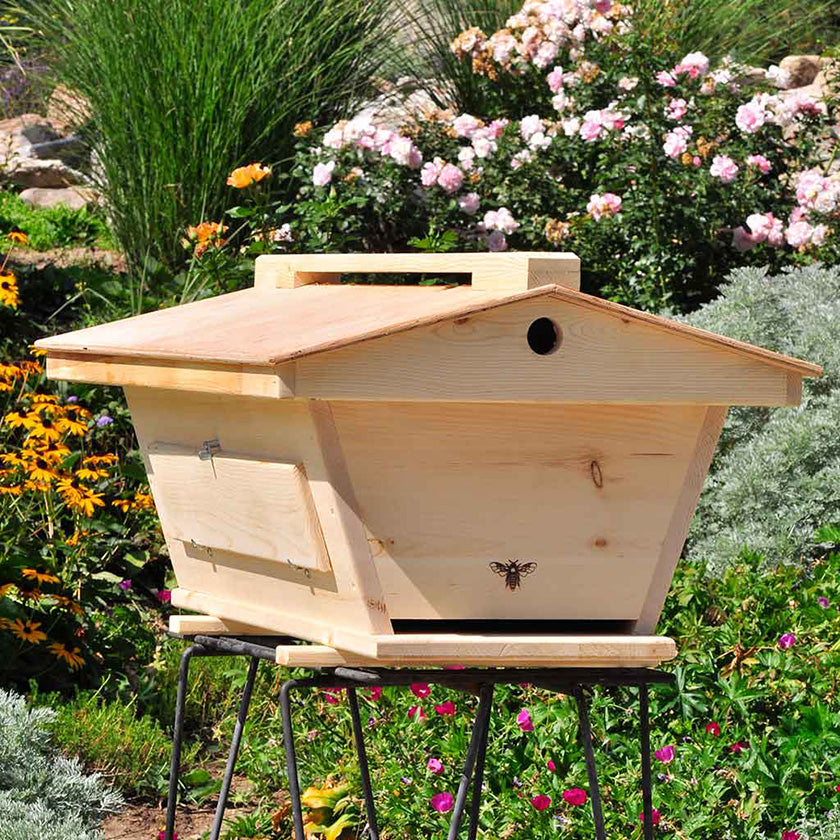
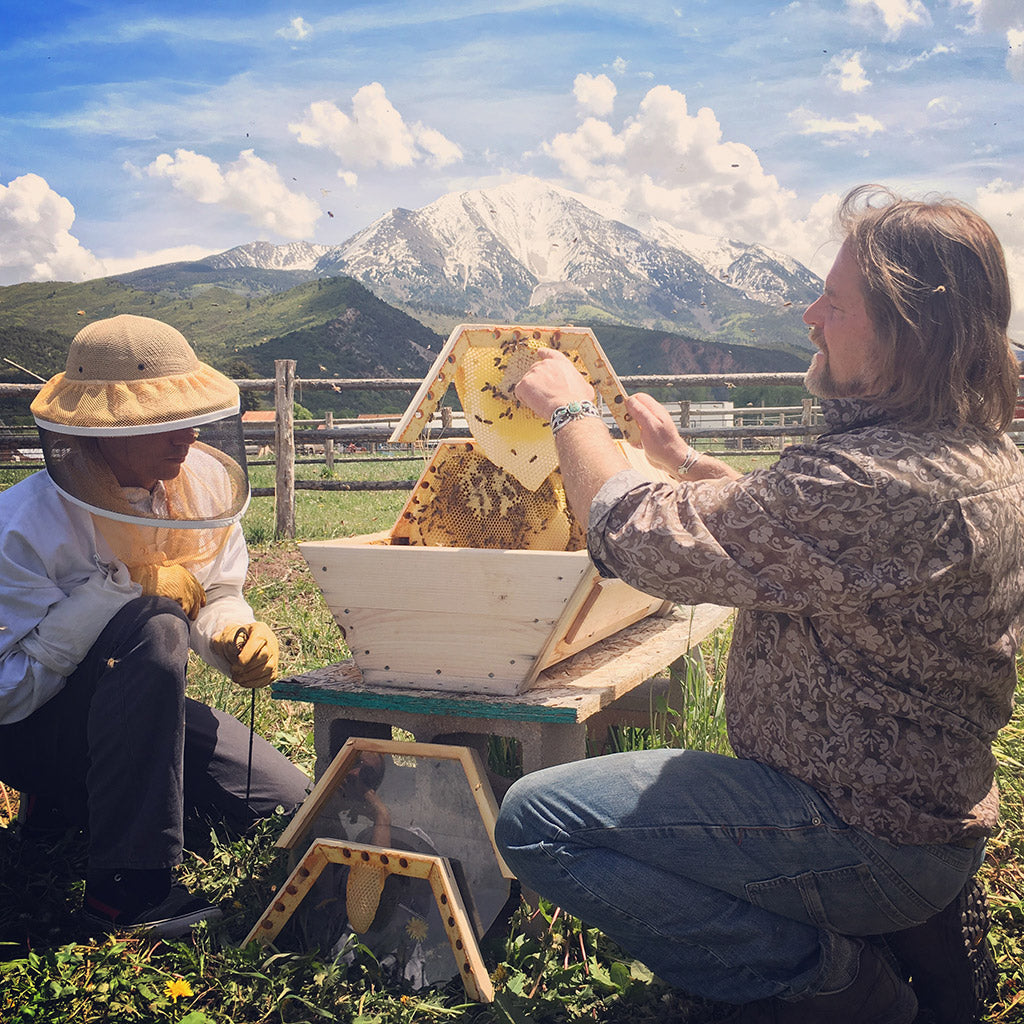
associated with the old Langstroth hives. Top-bar hives are new
developments in the field of beekeeping, streamlining the process. You
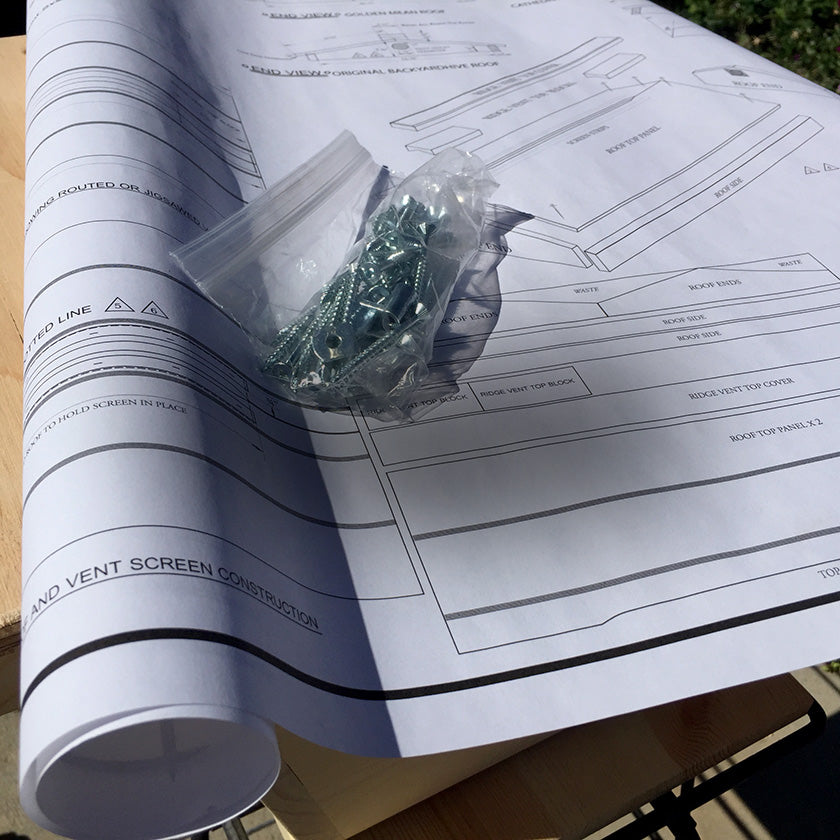
can do it all yourself, from the building of the hive (or buy one
ready-made), to the gathering of the bees (if you wish), to the
harvesting of the honey, to the making of candles with few special
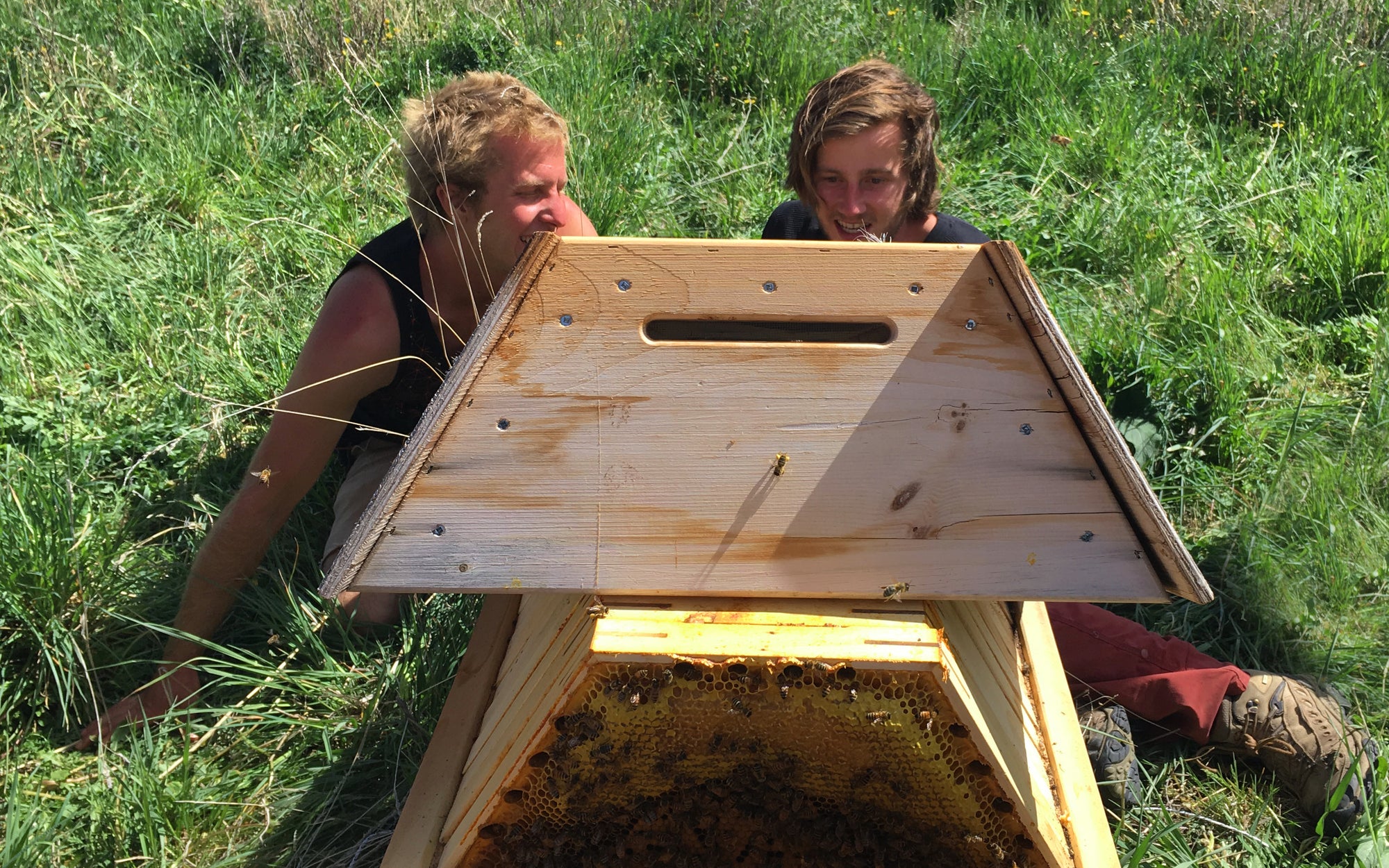
tools or talents needed. And top-bar hives more closely duplicate bees’
natural homes—less need for smoking and other stresses—so the bees are
as happy as you are. It’s a great family project, a natural
buzz-inducer in your backyard—and good for all of us. Imagine that.

Will Dart lives in Portland, Oregon with his wife
Catherine, son Cosmos, daughter Pearl, two dogs, a cat, a snake and
several thousand bees. Their neighbors, who receive deliveries every
spring and fall, claim their gardens have never been happier.
To read full article Click Here
|