Press
|
Gaiam Interviews Corwin Bell |

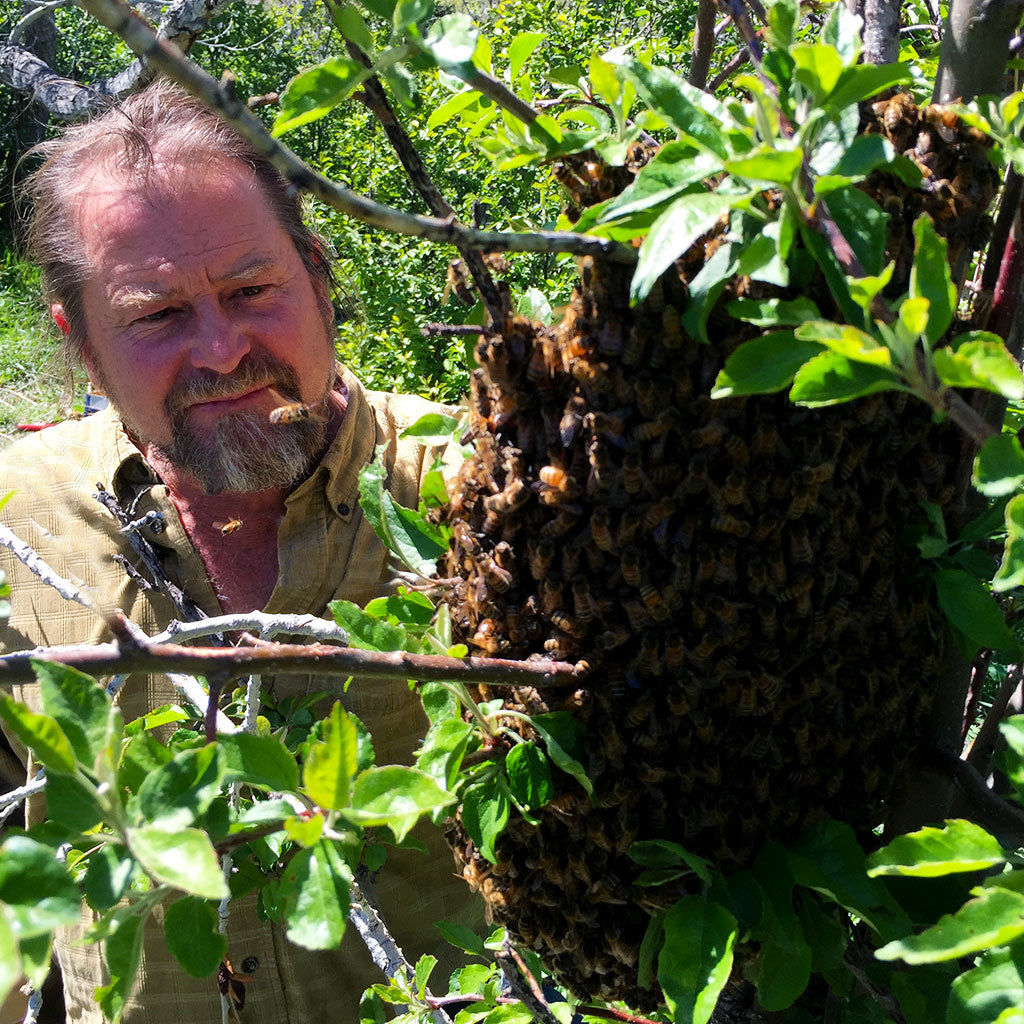
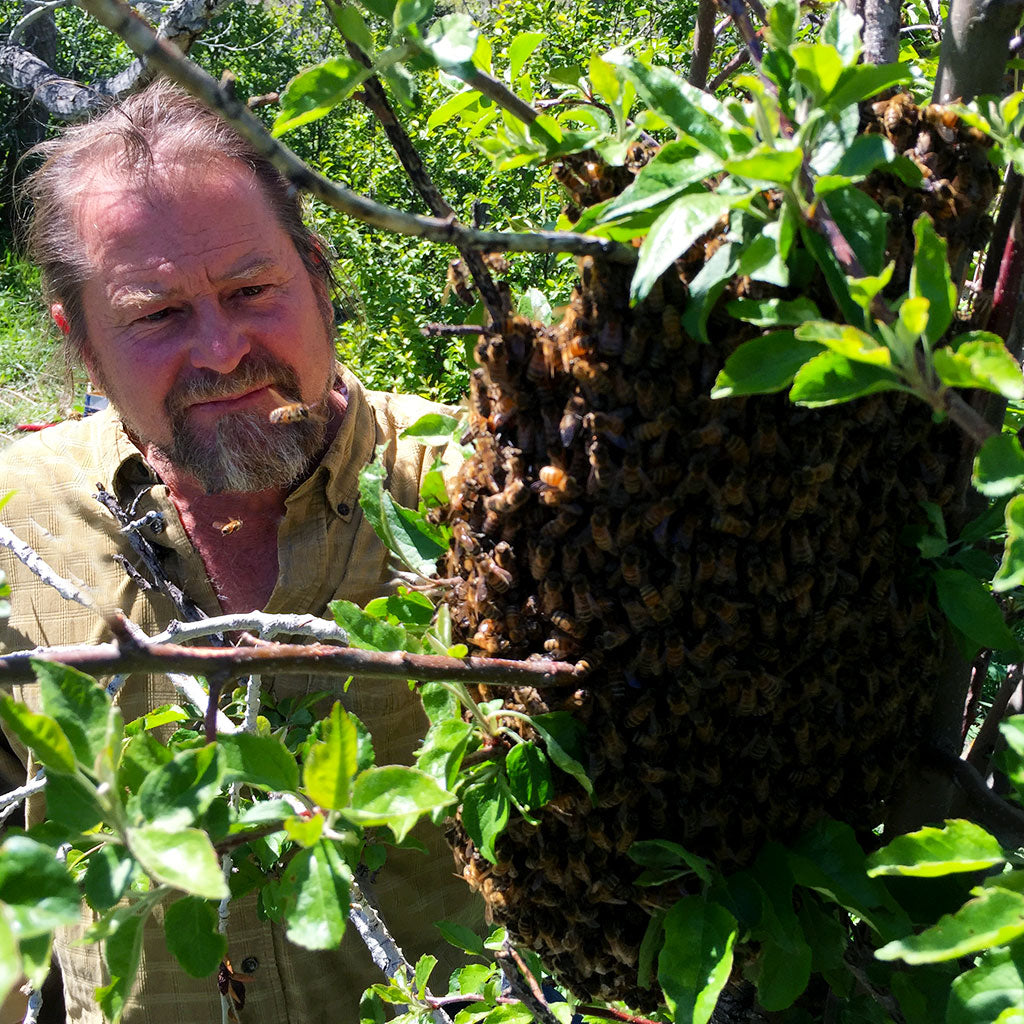
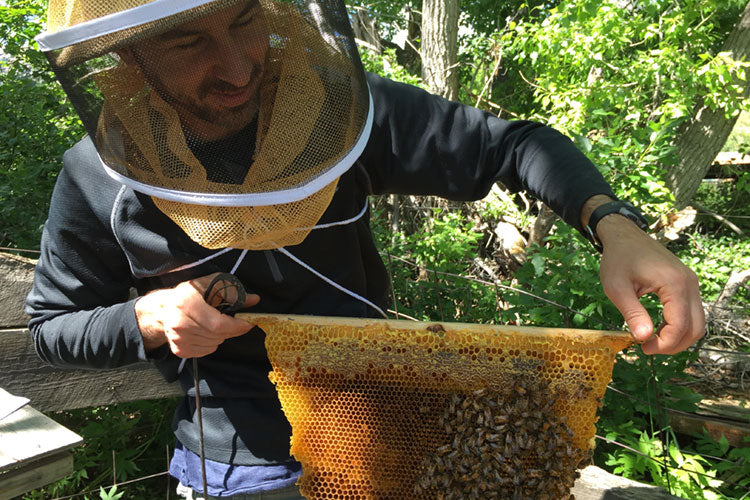
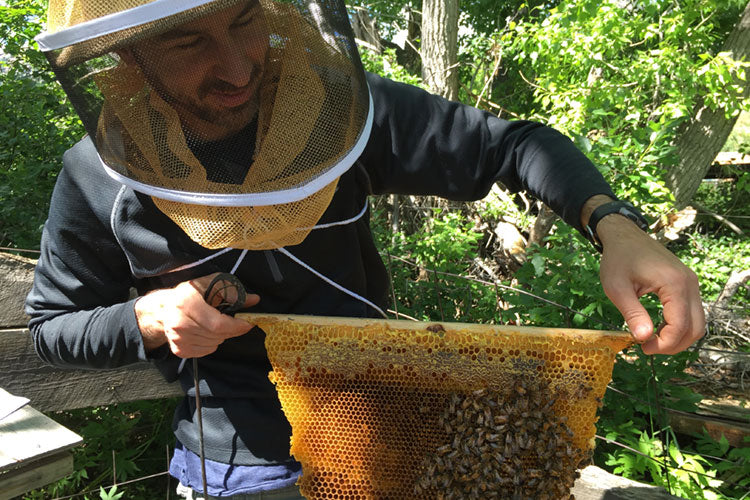
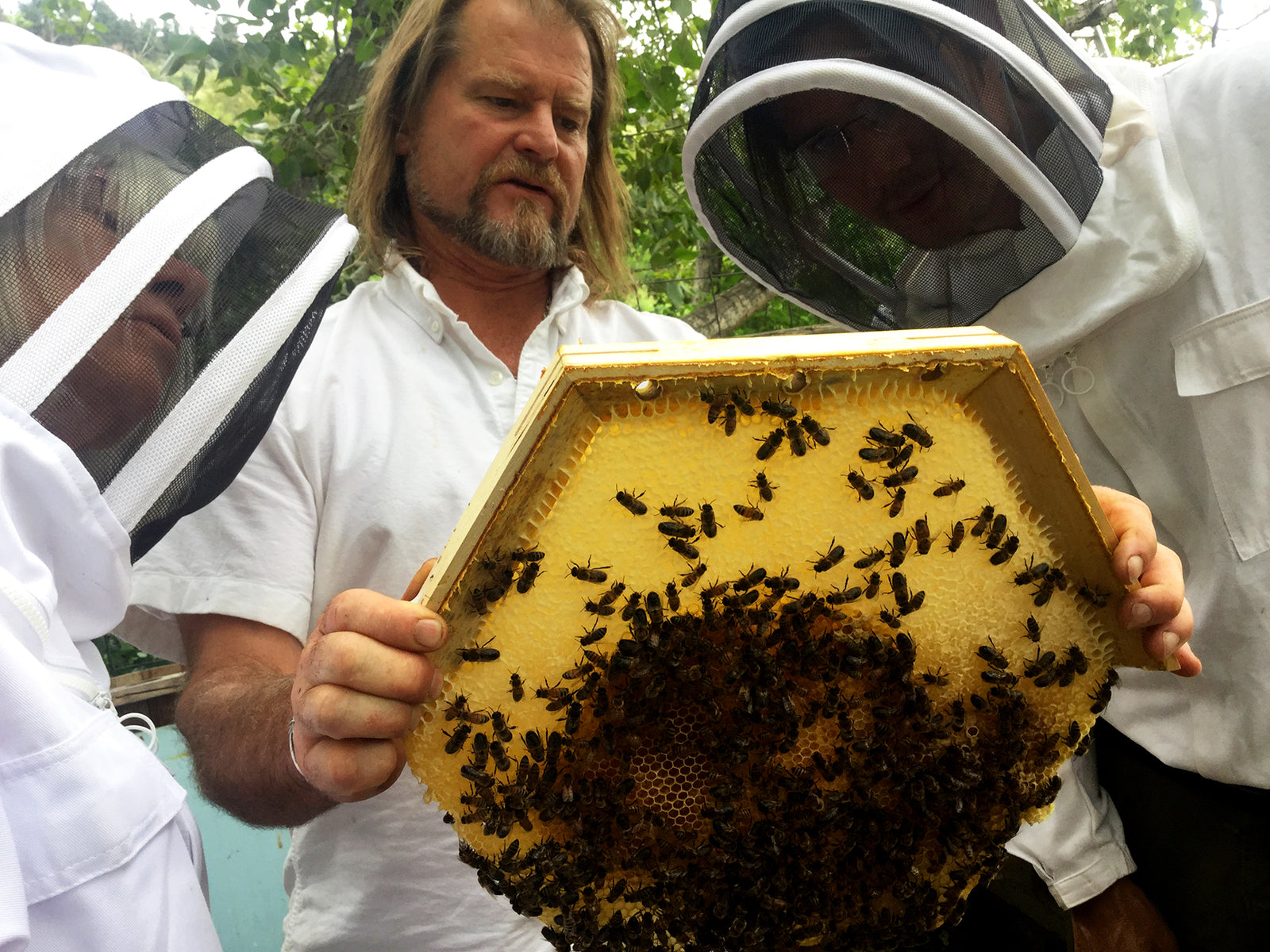
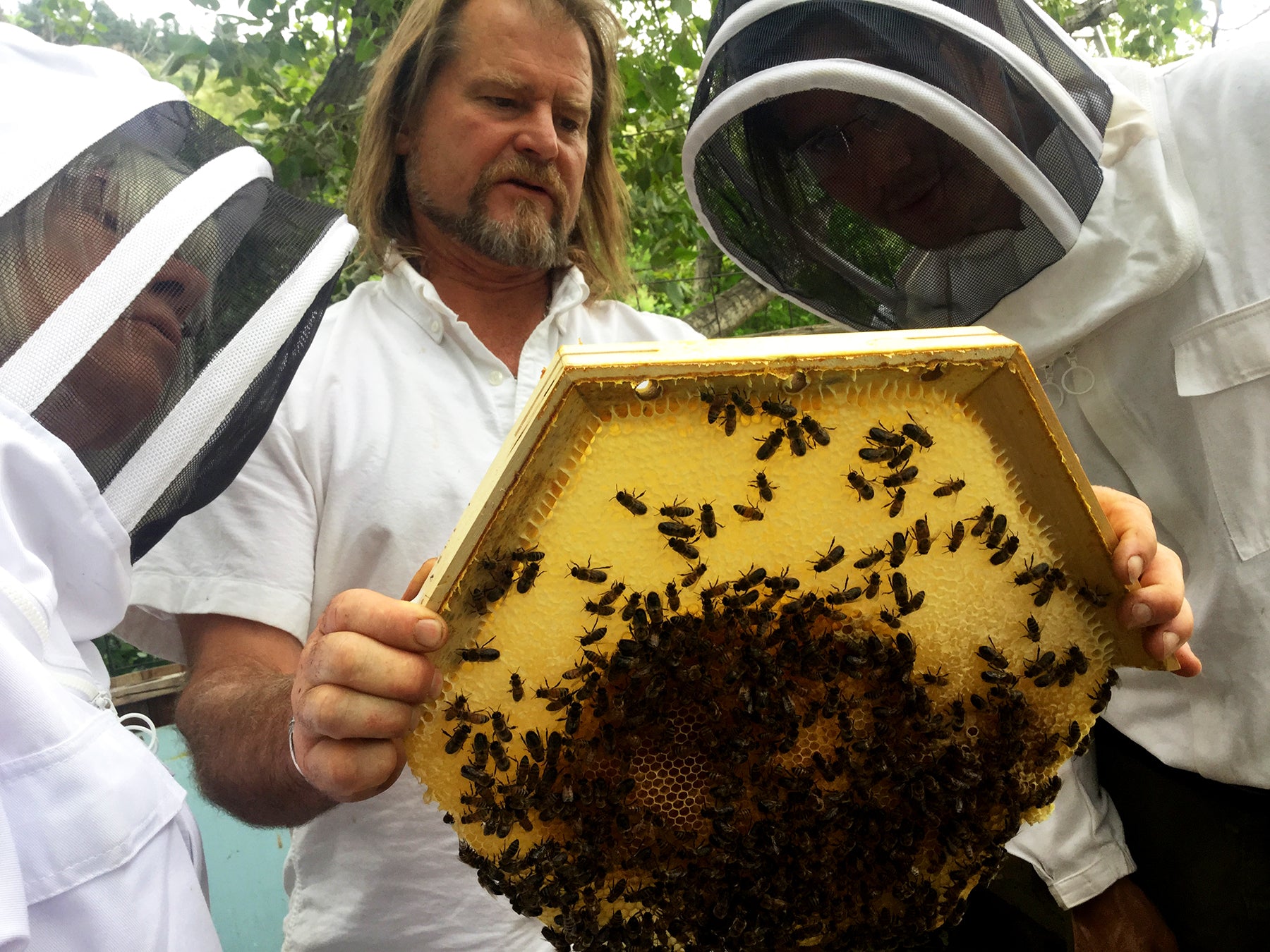
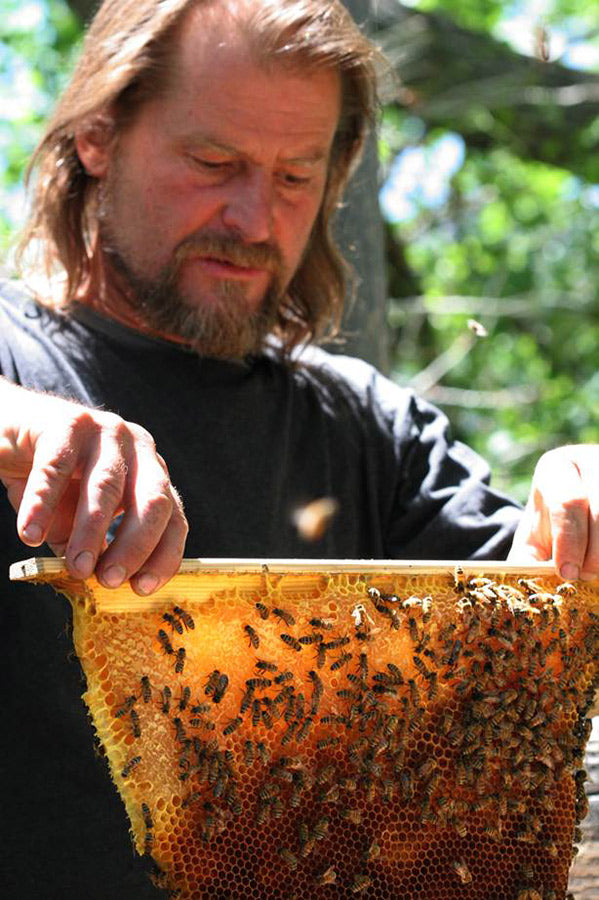
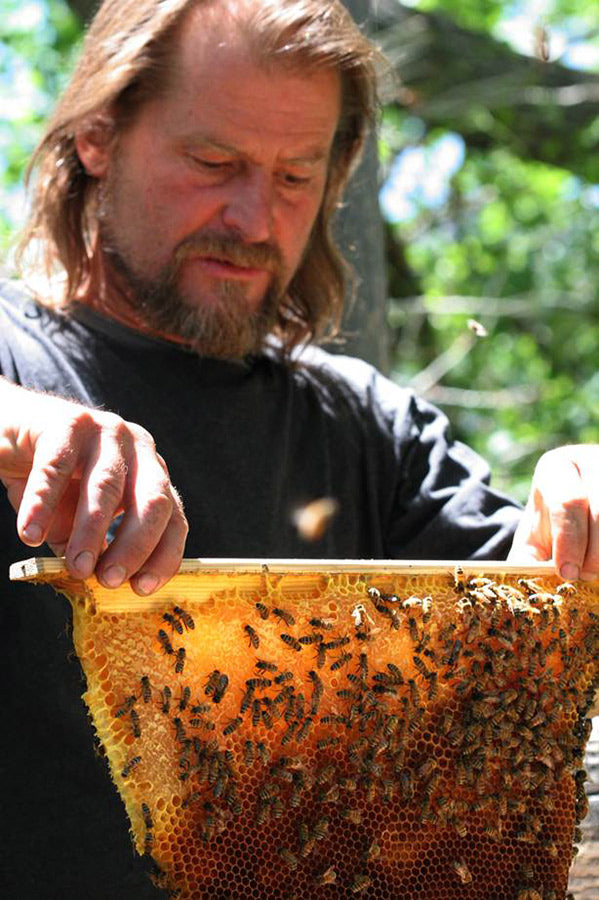
This is a video interview with Corwin Bell and other local Boulder beekeepers conducted by Gaiam (one of the largest resources for green living and fitness lifestyle products). Click to view the video: Gaiam Interview |
|
|
by elephantjournal dotcom on May 29, 2008
 Colony Collapse Disorder
—and how you and your backyard can stop it.
The bee: a small
insect with a flair for architecture, a sweet harvest and a colossal
influence on our lives. It turns out we’ve been taking them a bit for
granted. They might not be among the disrespected members of the insect
world (ants, cockroaches, weevils, mosquitoes anyone?), but—up until
recently—few of us understood the role they play in the running of our
planet’s biosphere.
That is about to change—if it hasn’t already. News of Colony Collapse Disorder (C.C.D.)—the
mysterious affliction that has struck the colonies of commercial
beekeepers everywhere, robbing entire hives of their navigational
abilities and killing billions of bees—has hit the mainstream. We don’t
yet know exactly what causes C.C.D.—but we do know that we can’t afford
to lose those keystone workerbees. Edward O. Wilson, the renowned
Harvard biologist and two-time Pulitzer Prize winner, has referred to
bees and other pollinators as the “heart of the biosphere.” What would
happen without them? Not much, it turns out: crops not pollinated,
reduced harvests, less forage for domestic and wild herbivores, no
honey, fewer flowers, a ripple effect on the biosphere and the economy. |
|
Read more...
|
|
From arthritis to shingles, honeybees give the sting that heals.
By Kristin Bjornsen

Kathleen Miller, of Albuquerque, New Mexico, opened the bee box and with long-handled tweezers, removed a buzzing bee. She softly pressed its hind end on her knee. The bee stung her. At the time, says Miller, “I thought, This is wacko—plus, I’m killing an animal I love. What am I doing?”
But what she was doing was apitherapy, a form of medicine people in
Egypt, Greece, and China have practiced for more than 5,000 years.
Apitherapy uses bee
venom, as well as pollen, honey, and other hive products, to prevent or
treat illness and injuries. “Globally, it’s a huge system of medicine,
especially in Asia, Europe, the Middle East, and South America, where
even many MDs sting
their patients,” says Frederique Keller, LAc, apitherapist,
acupuncturist, and president of the American Apitherapy Society (AAS),
headquartered in Centerport, New York. “The United States is way
behind.” Here, although apitherapists can get “certificates of
knowledge” by attending the AAS Charles Mraz Apitherapy Course and
Conference, no formal certification or sanctioning exists, much like
homeopathy.
But that’s changing, says Keller, with a growing number of
physicians, acupuncturists, and everyday people embracing apitherapy as
a treatment for conditions such as rheumatoid arthritis,
osteoarthritis, shingles, tendonitis, gout, carpal tunnel syndrome, Lou
Gehrig’s disease, fibromyalgia, painful scars and burns, multiple
sclerosis (MS), and Lyme disease. With venom therapy, you can either go
to an apitherapist—who will use live bees or injectable bee venom (only doctors can perform the latter)—or do it yourself after learning the techniques. |
|
Read more...
|
|
via Veronica Volny by Edilbe Front Range
 Come spring, honeybees along Colorado’s Front Range emerge from their winter slumber. They seek out the first flush of blossoms, deterred only by the occasional late spring snow. And local beekeepers are close behind, slipping into their white jumpsuits to check on their charges, anxious to learn if they made it through the winter.
In winters past, a beekeeper could hope to find all of her colonies healthy and happy. But since the arrival of the parasitic varroa mite in the late eighties, honeybees—and their keepers—have been struggling.
|
|
Read more...
|
|
|
The Boulder Weekly on bees and Bee Guardians
 Colony Collapse Disorder is putting honeybees at risk and, with them, our food supply by Dana Logan
When she starts talking about bees, Julie Finley’s face lights up. Her voice comes alive.
“They’re like watching a river go by or a fire — you can just get absolutely mesmerized… Aren’t they captivating?” she says.
Finley,
the garden director for Boulder’s Growing Gardens, has been keeping
bees for more than 10 years. As the teacher of a series of hands-on
classes to encourage members of the Boulder community to experience the
culture of the honeybee, she helps beginner beekeepers learn the
basics. But she thinks the real teachers are the bees themselves.
“There isn’t anybody who knows more about making honey and pollinating than these guys,” she says.
But as enthusiastic as she is, she’s also worried. And with good reason. |
|
Read more...
|
|
| | |
|