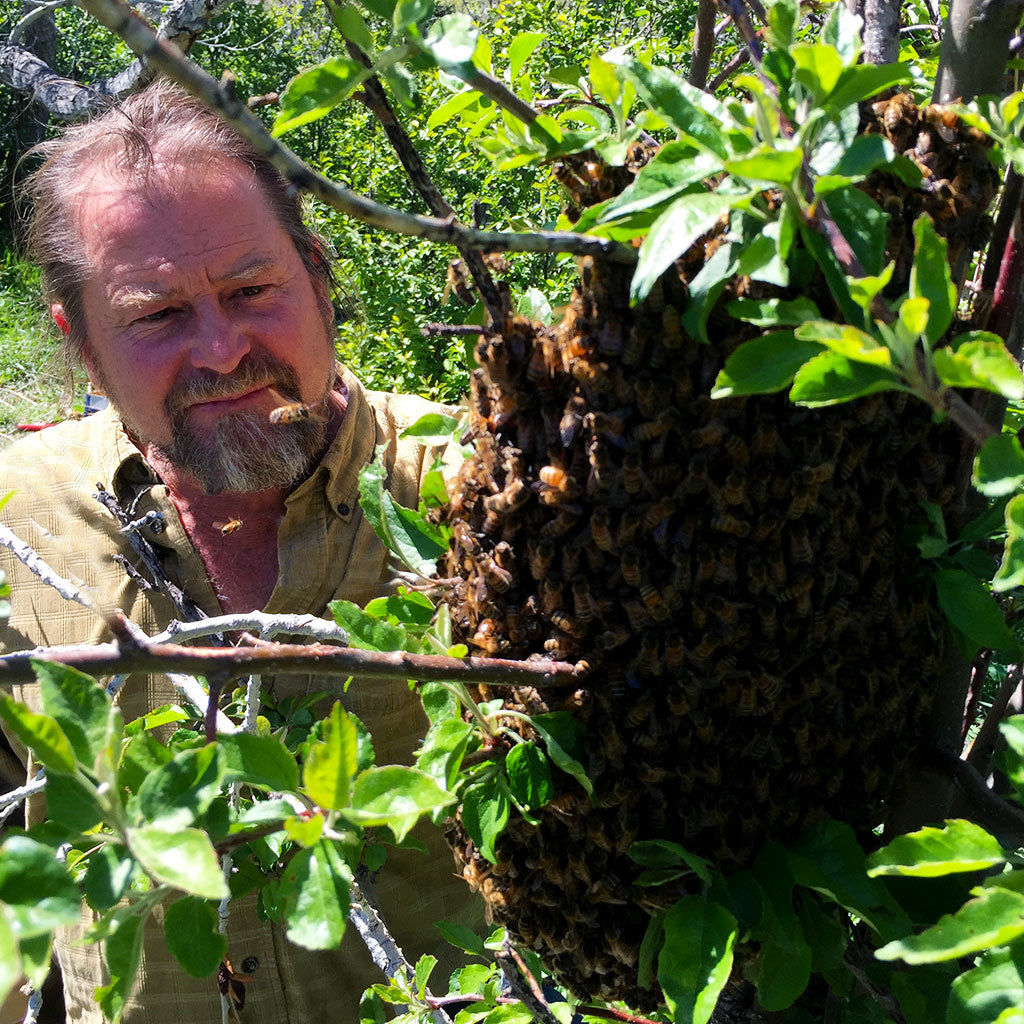
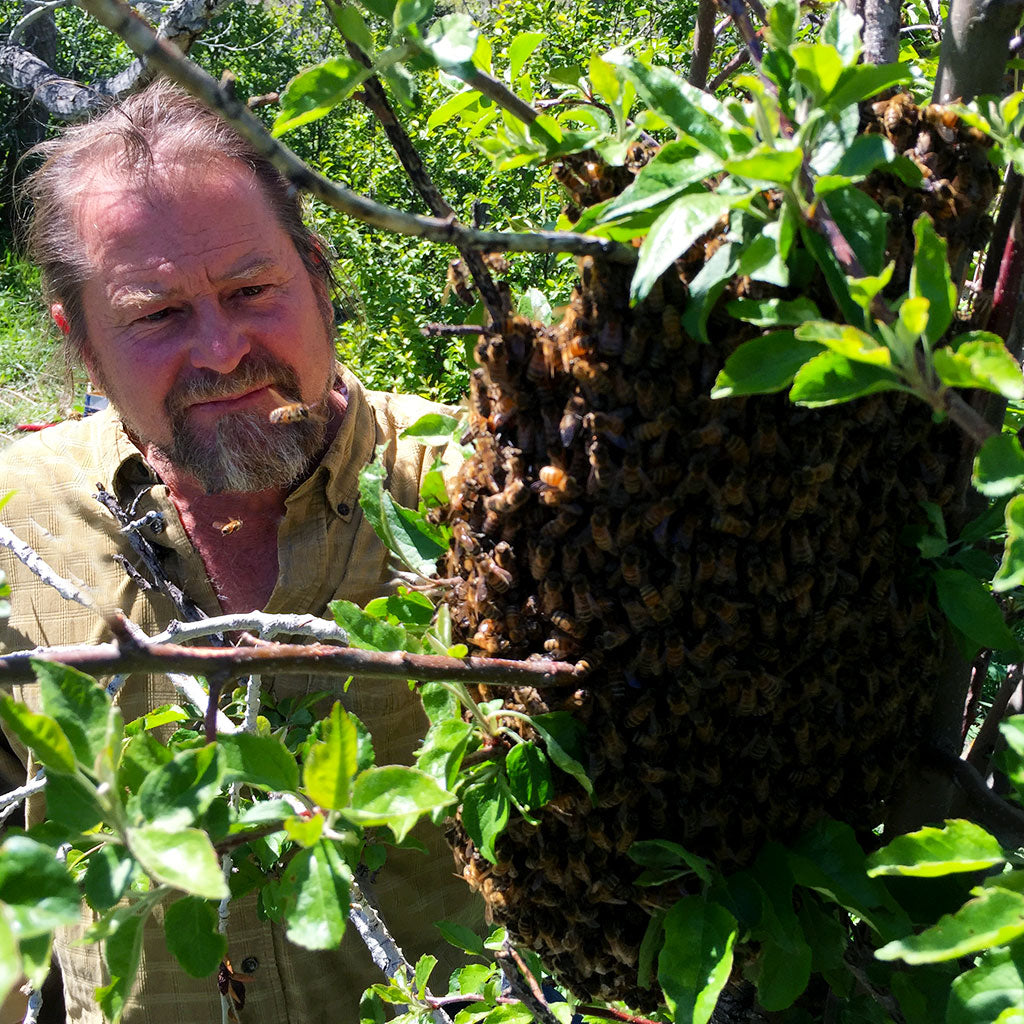
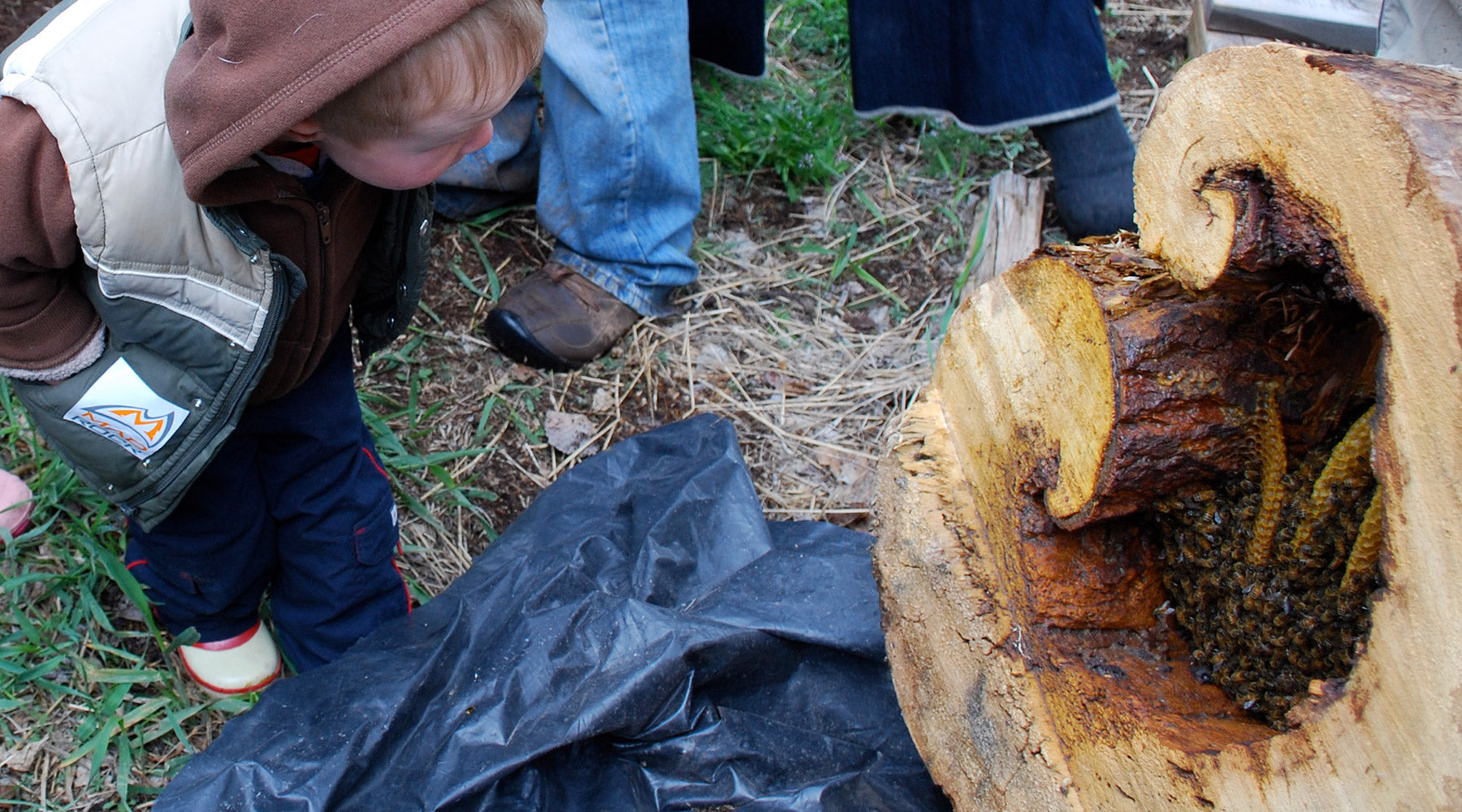
There are four ways to get bees: you can purchase a 3 pound package of bees, you can purchase a nucleus (a “nuc”), or you can get on a swarm list and either buy a swarm from someone who has already collected them or you may catch the swarm yourself.
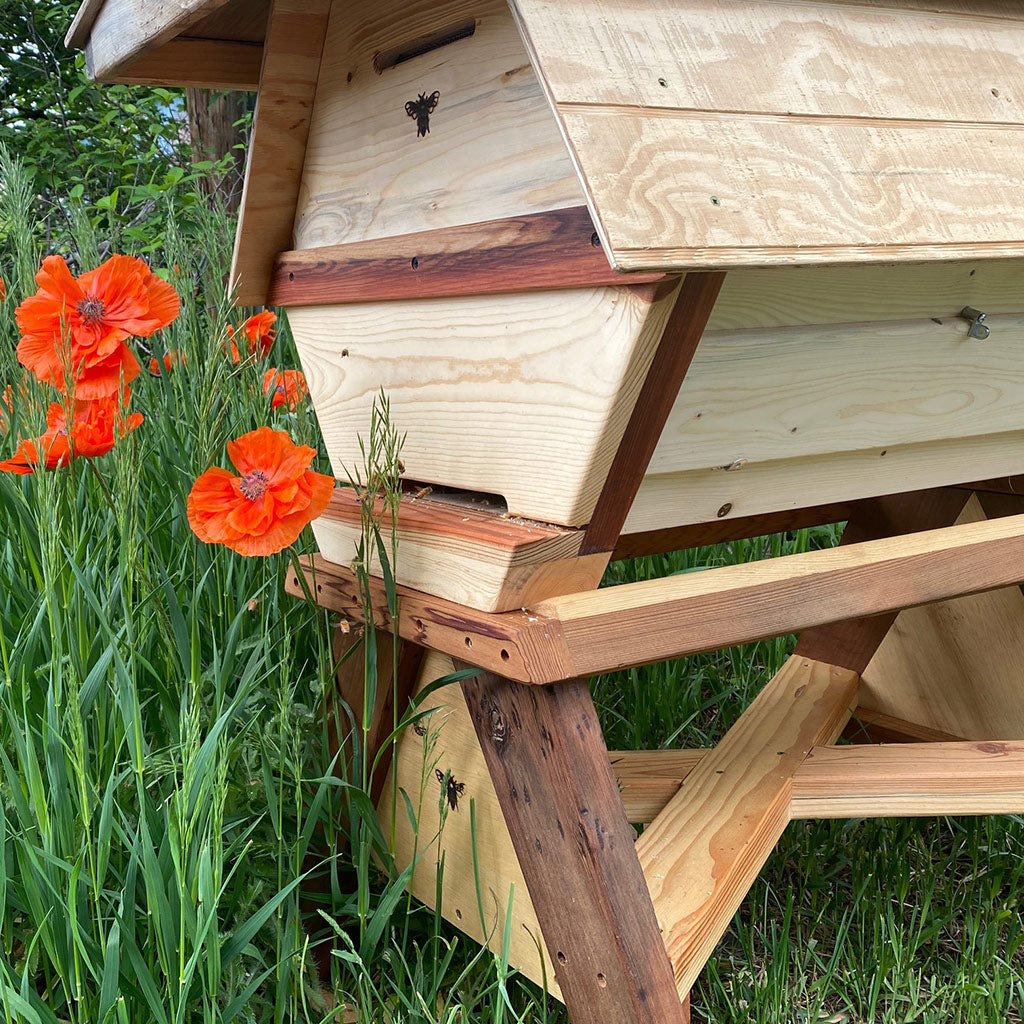
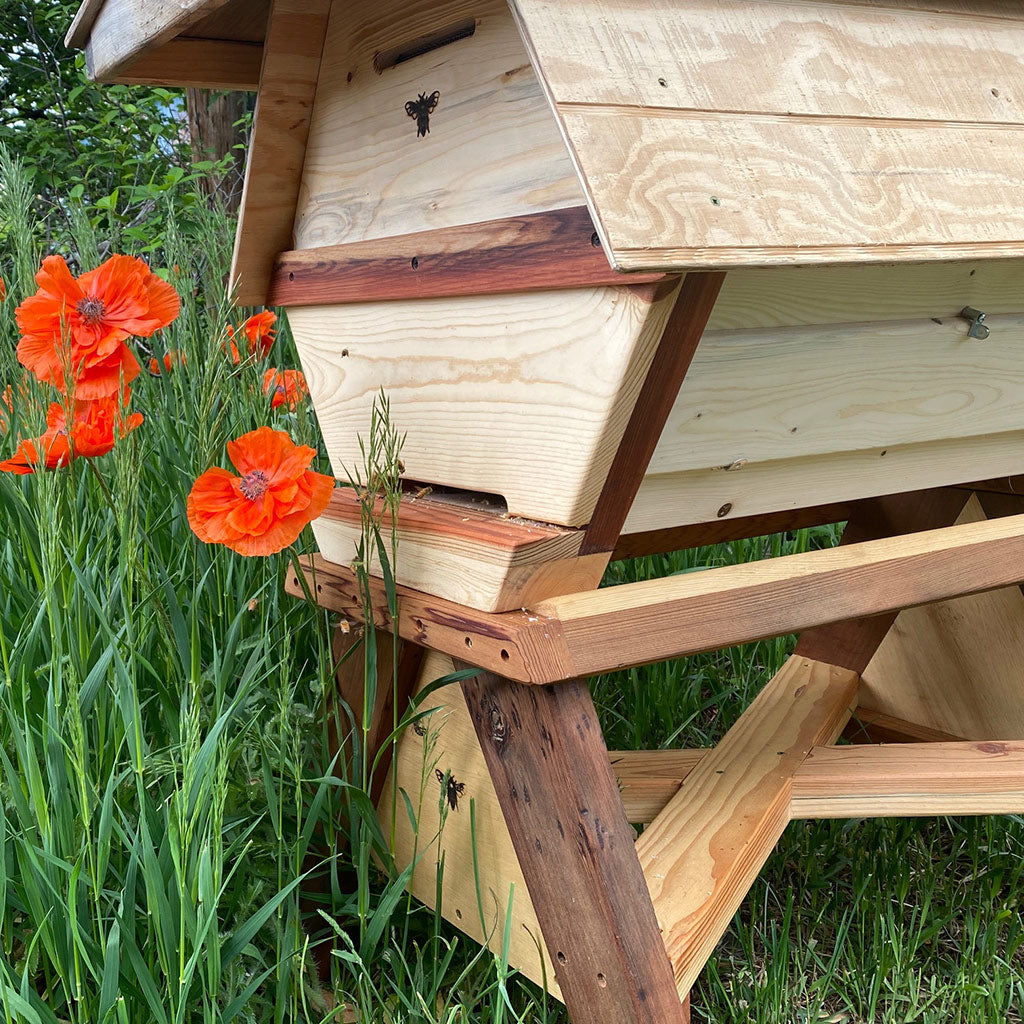
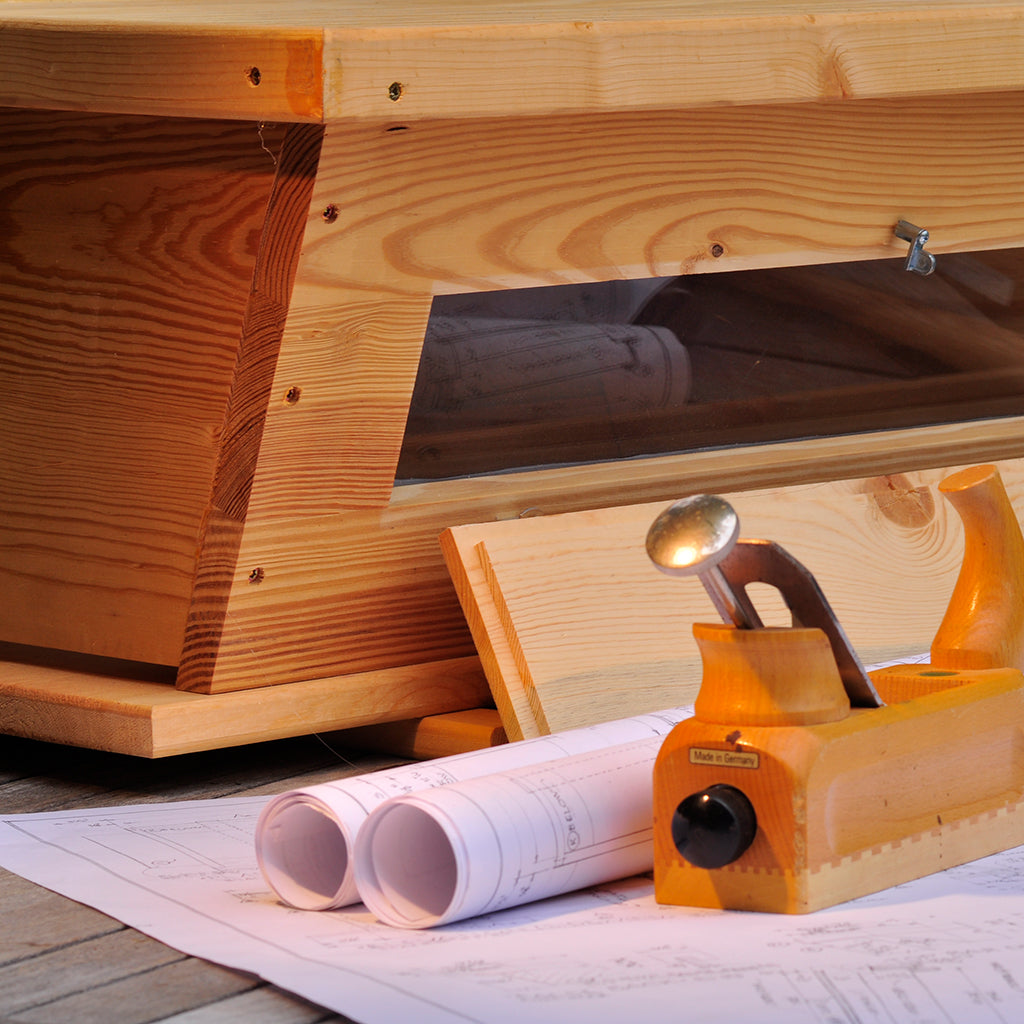
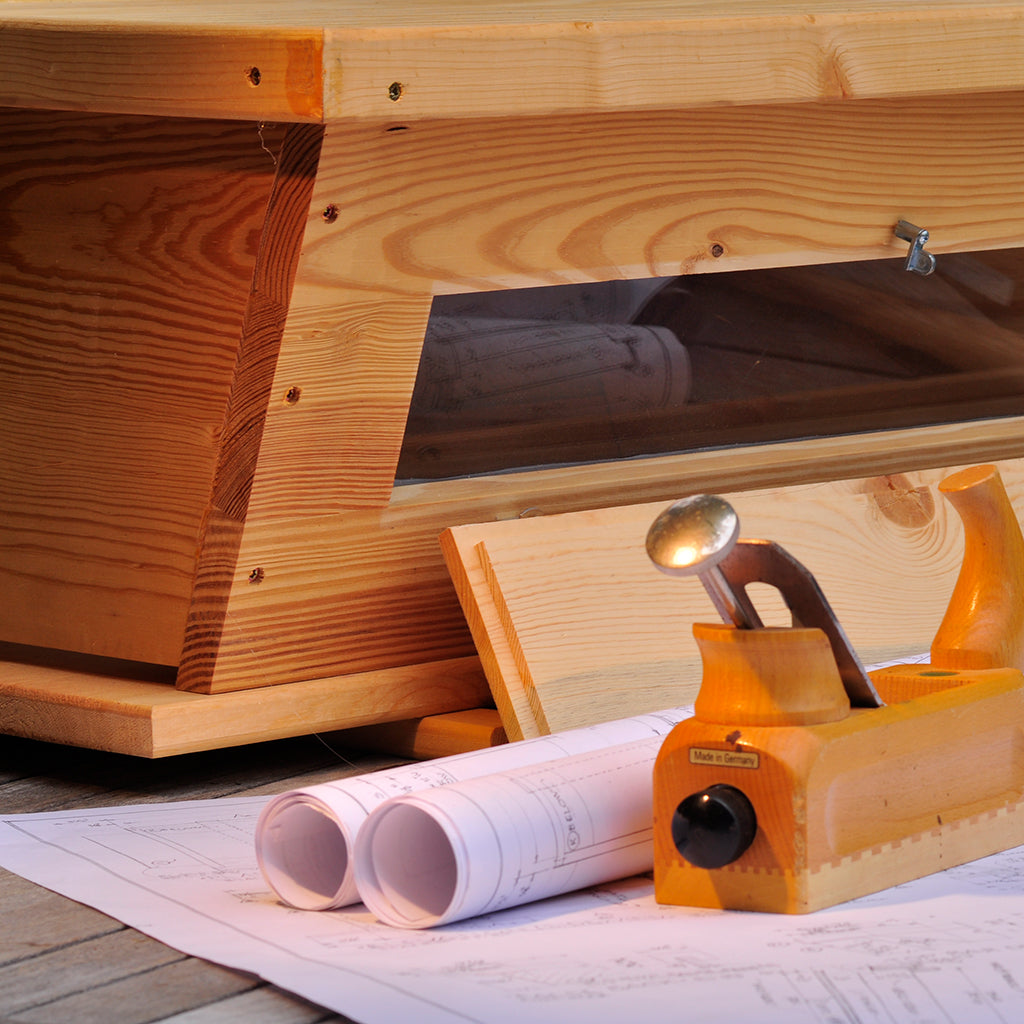
We have designed our hives at BackYardHive to have good longevity without painting. This includes choosing wood with minimal, cambered, end grain on the side panels and orientating the panels inward to minimize warping. The holes in the hive are all pre-drilled and counter sunk to limit splitting. Not painting the hive is based on the holistic approach to beekeeping. We believe paint fumes can interfere with the bees’ pheromone-based communication.
When you think of the garden, what comes to mind? Is it the flowers which warm your heart or the anticipation of the fruits and vegetables which you will harvest this season? For me, it is neither of these, for me it is not what is planted which makes me buzz with anticipation, but the critters which will help propagate the flourishing foliage: the bees. I have always had a passion for flying insects. Its seems that with our short summer months, the novelty of find bugs always found me on my hands and knees leaning head first in to a bush or flower bed.
A Bee Guardian is interested, in aiding bees as a species in order to recapture their genetic vitality and diversity. Bee Guardians utilize beekeeping methods that respect the honeybee and oversee the local environment, ensuring it to be safe for the bees.
The Bee Guardian is committed to the nature of the bee, allowing the bees to maintain a strong immune system through organic practices and methods that do not overly stress the colonies.
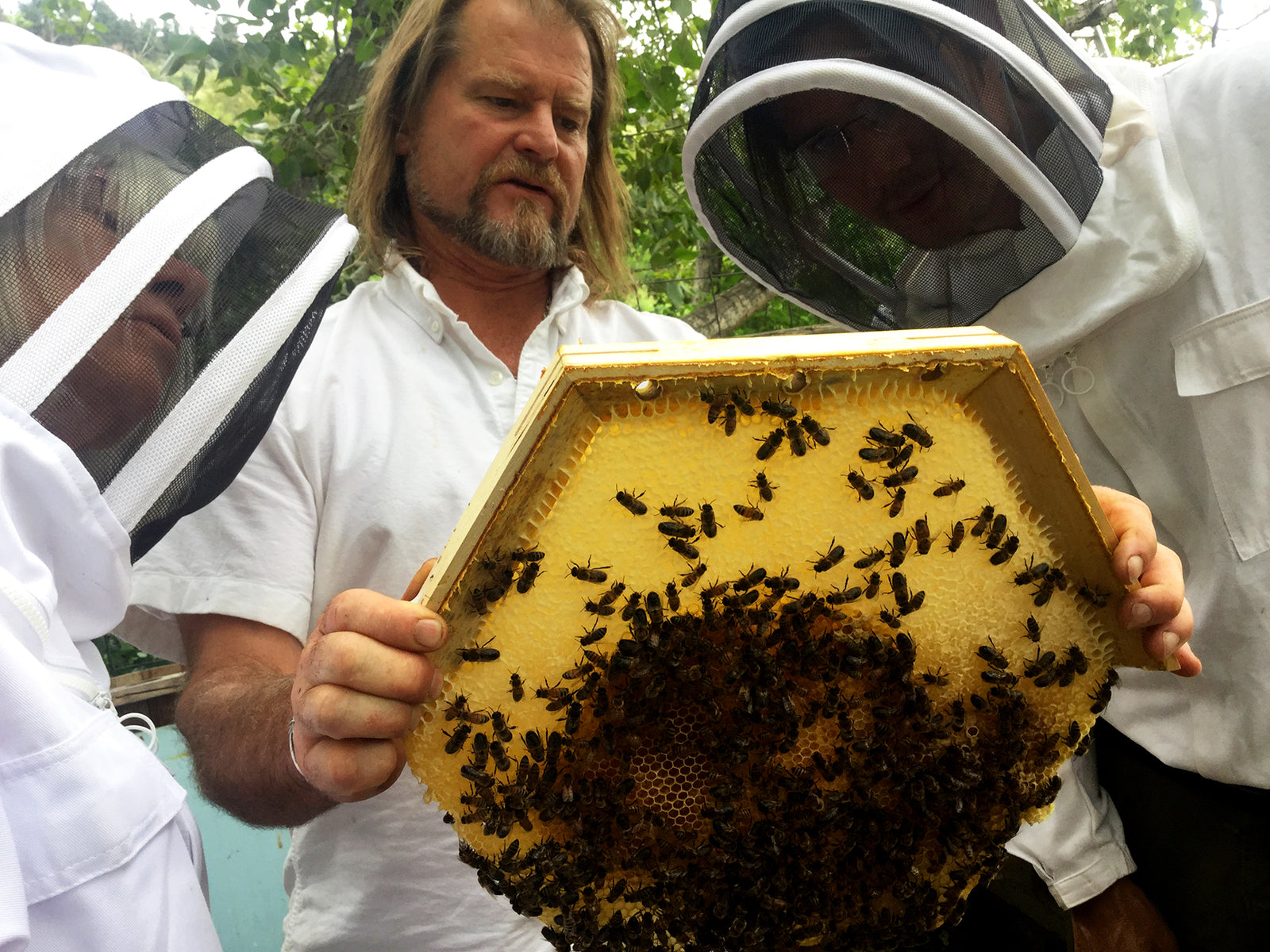
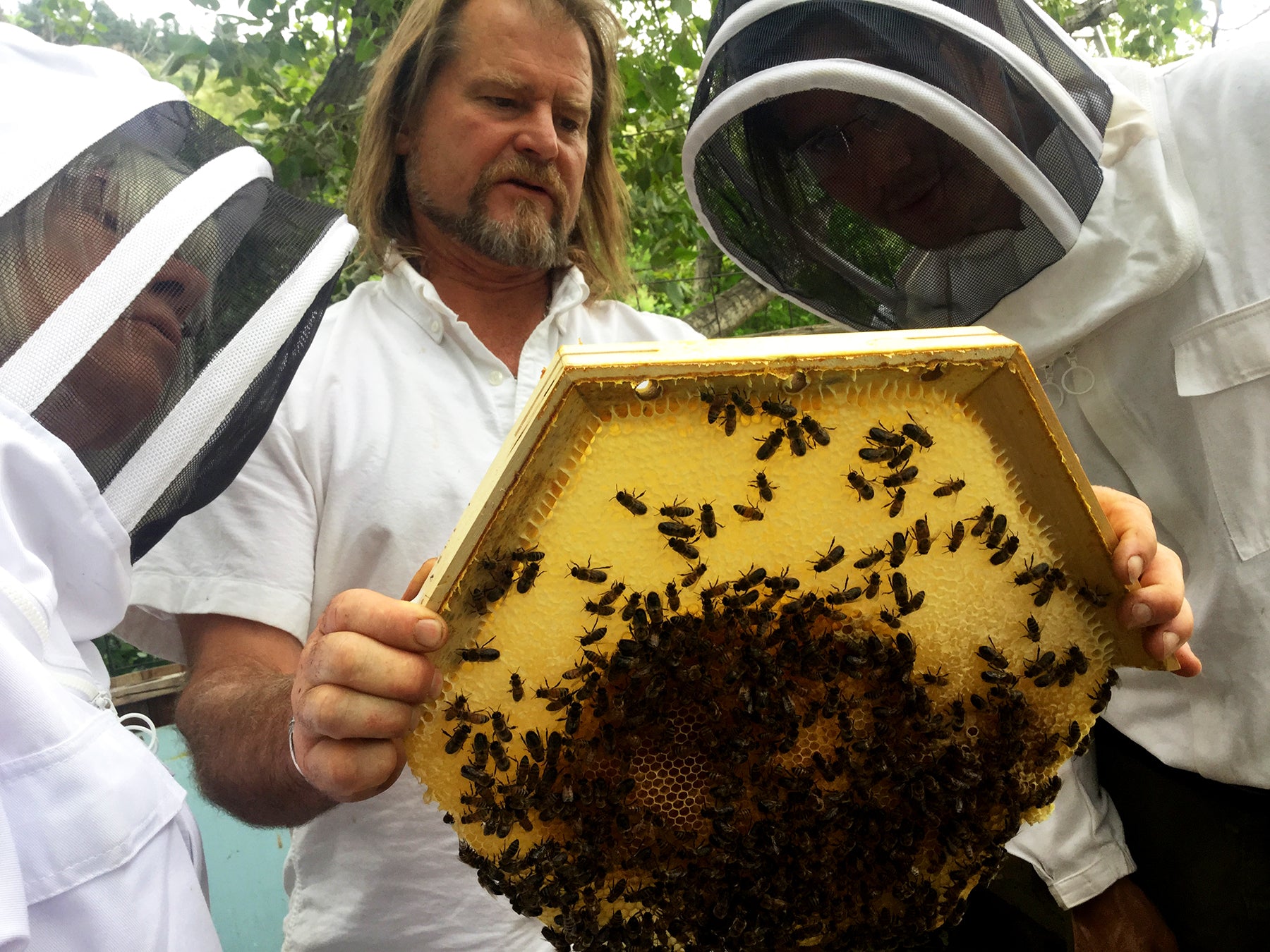
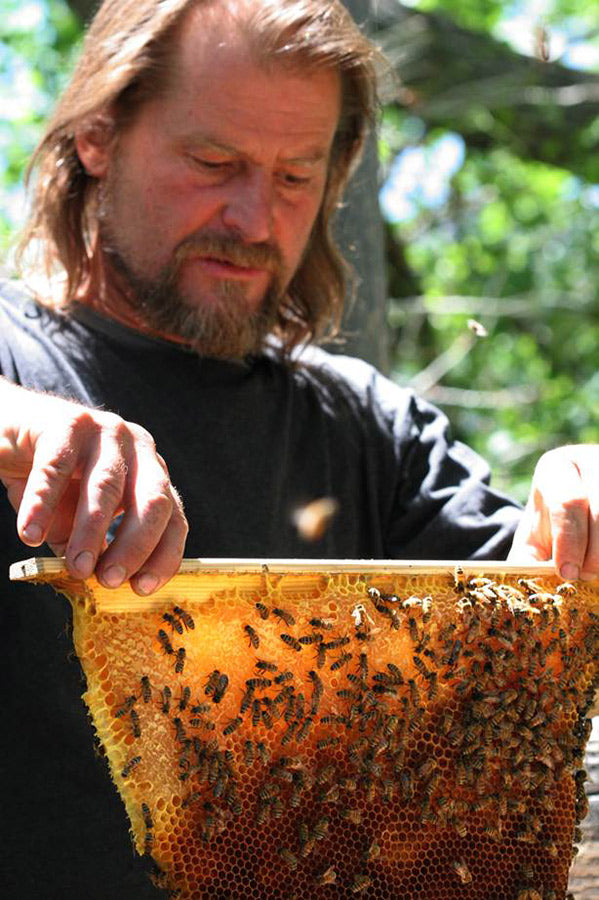
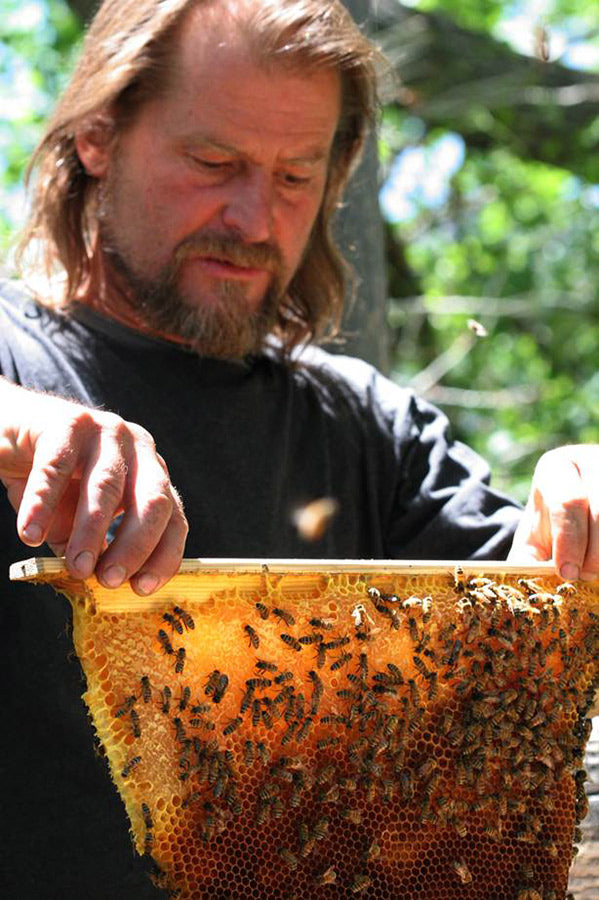
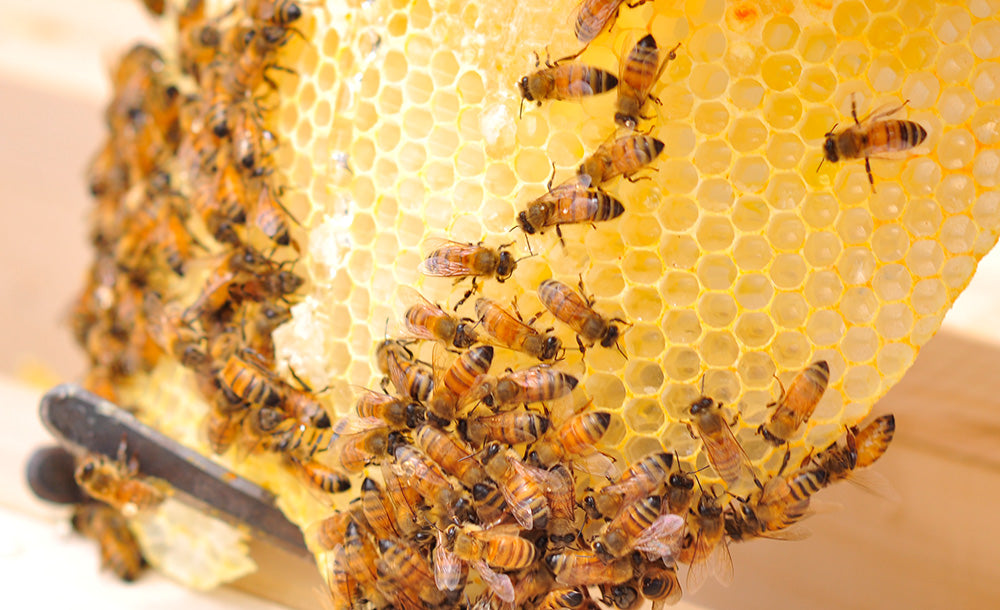
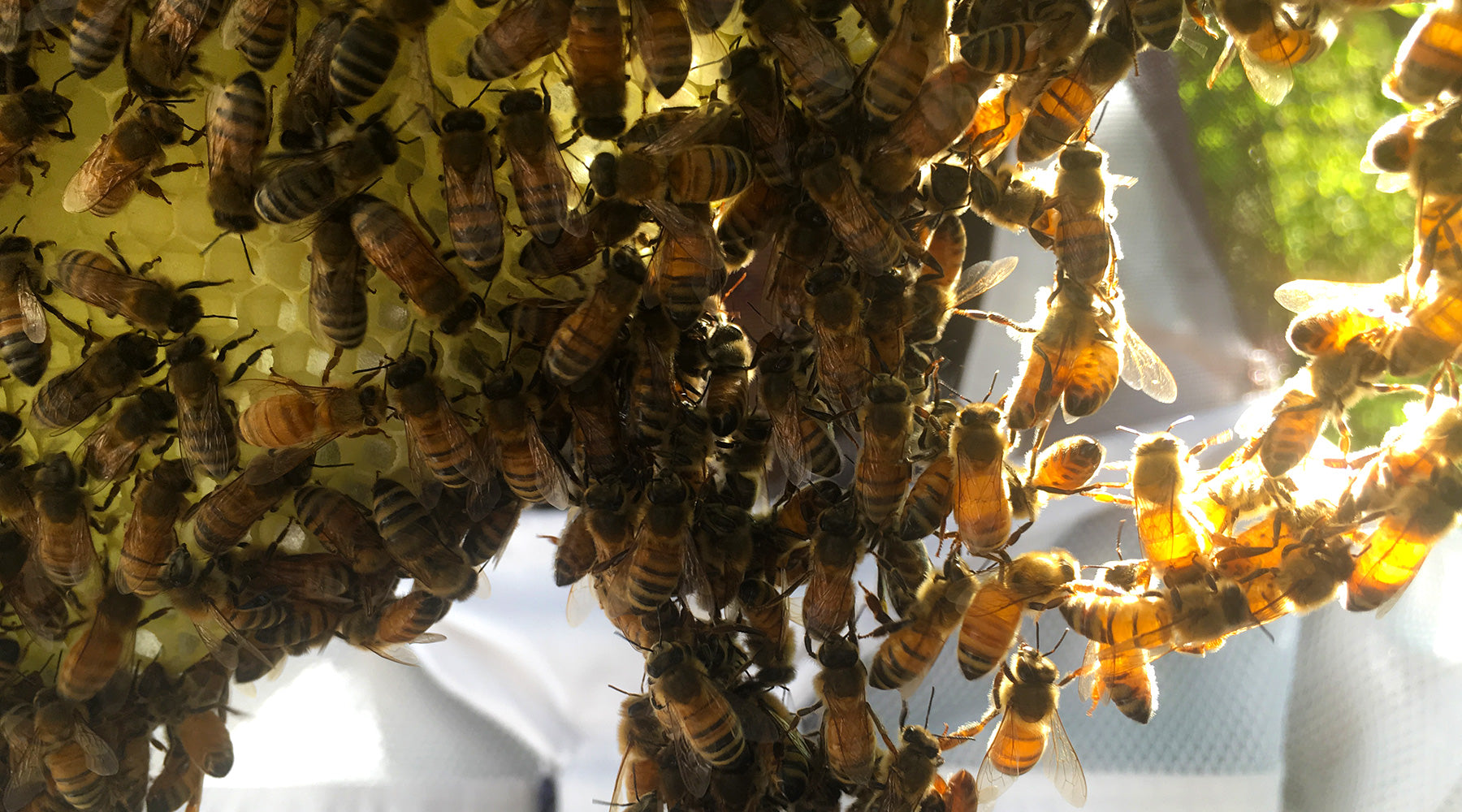
Identifying the members of the bee colony. Worker bees are all female and perform various roles in the hive depending on their age. These roles include: nurse bees (clean cells, feed and care for brood) heater bees (warm brood to consistent temperature), guard bees (defend the hive, inspect incoming foraging bees), and bees who serve in the court of the queen (feed and care for the queen).
Many apitherapists are also beekeepers, since tending a hive lets them give back to the bees. “It’s a way for me to nurture them in return,” says Kathleen Miller, who has 14 hives on her 1.5-acre lot outside Albuquerque, New Mexico.
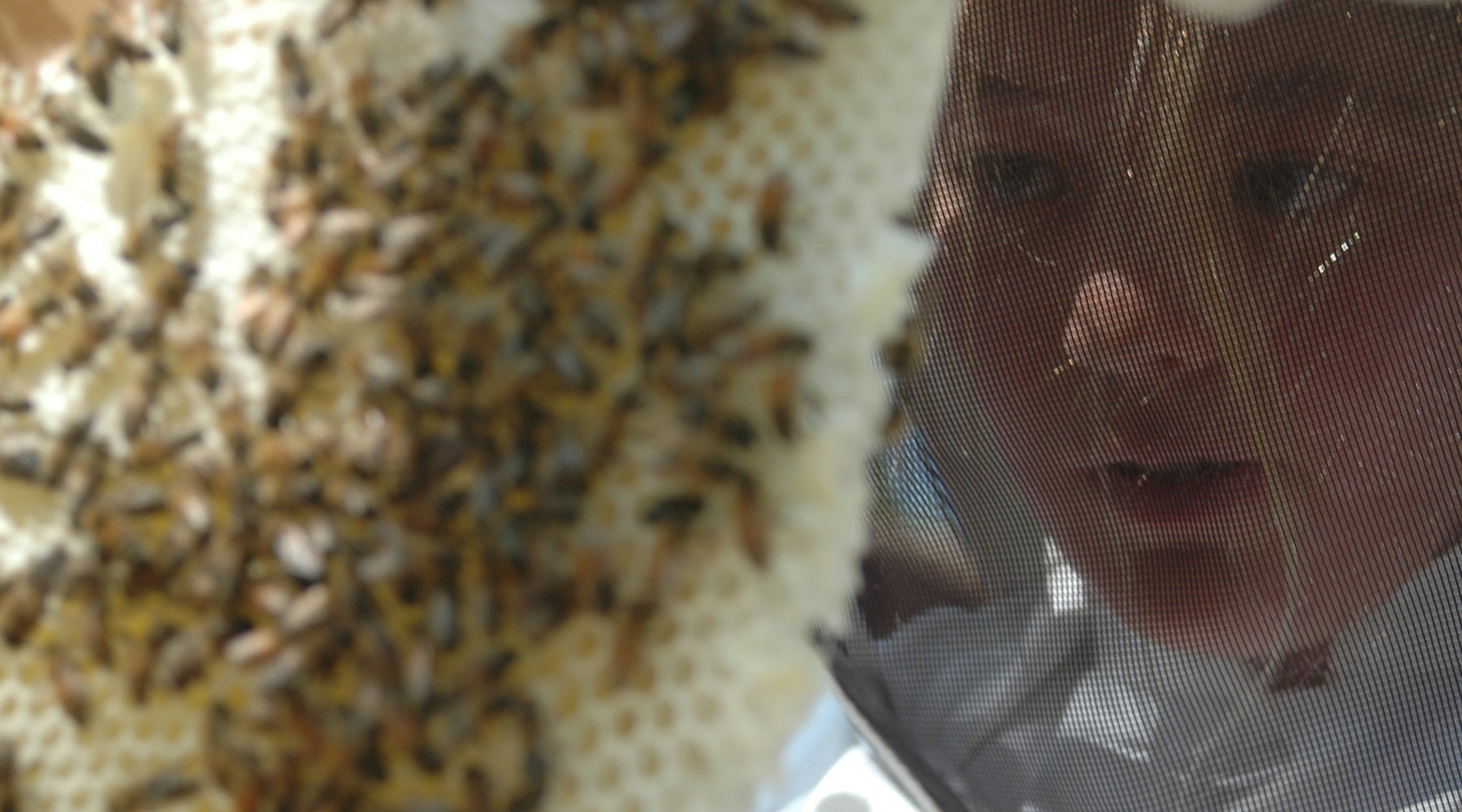
Some of my most enjoyable times as a Beekeeper have involved sharing my hobby with fascinated friends and family, eager to see a working beehive. The first things that most people think of are either the rewards of harvesting your own honey or the positive impact the increased pollination will have on your garden.
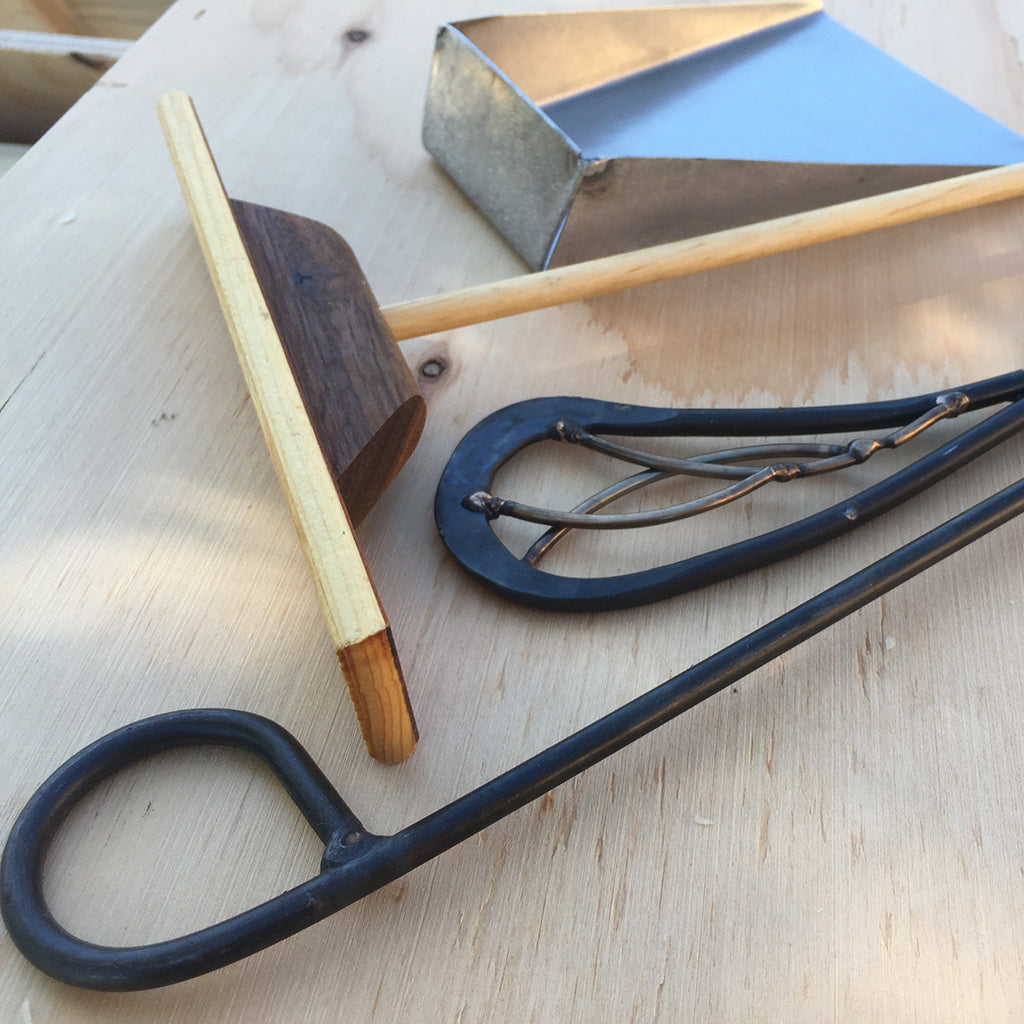
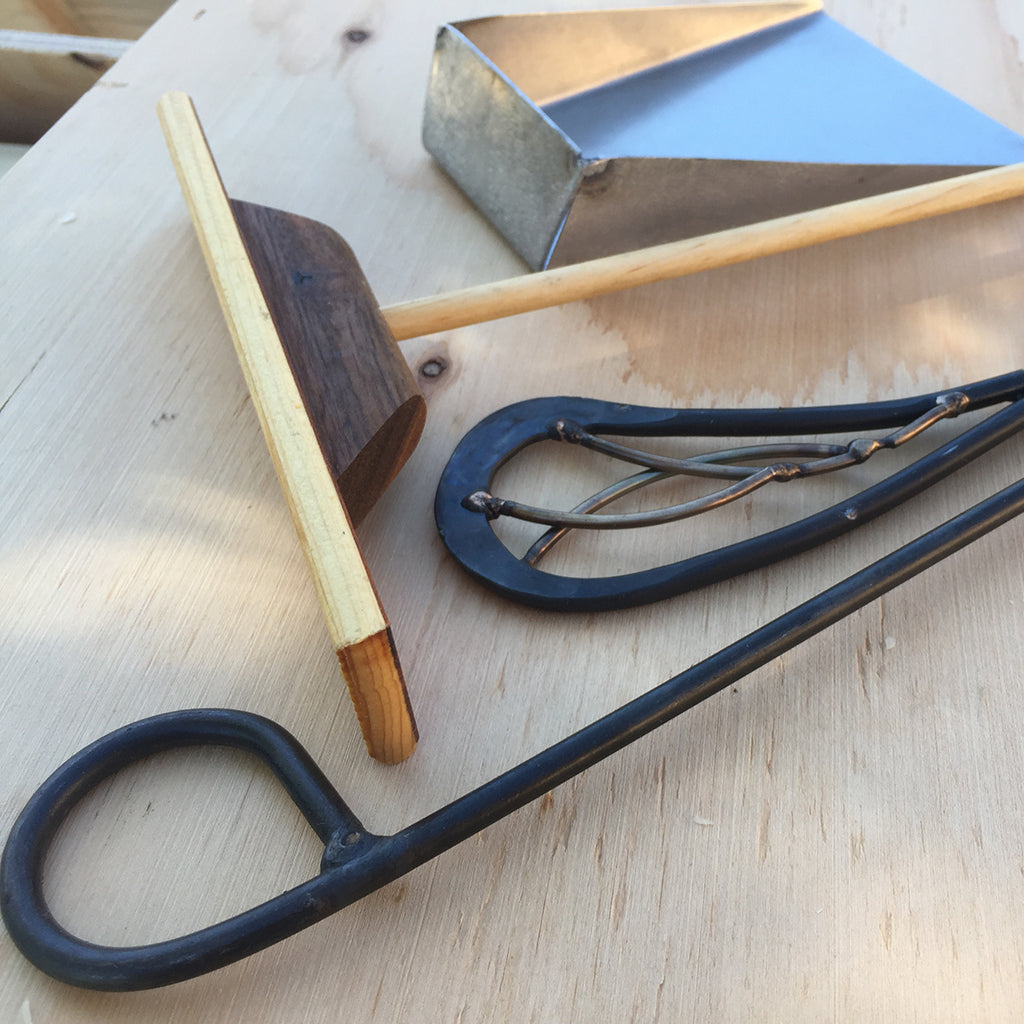
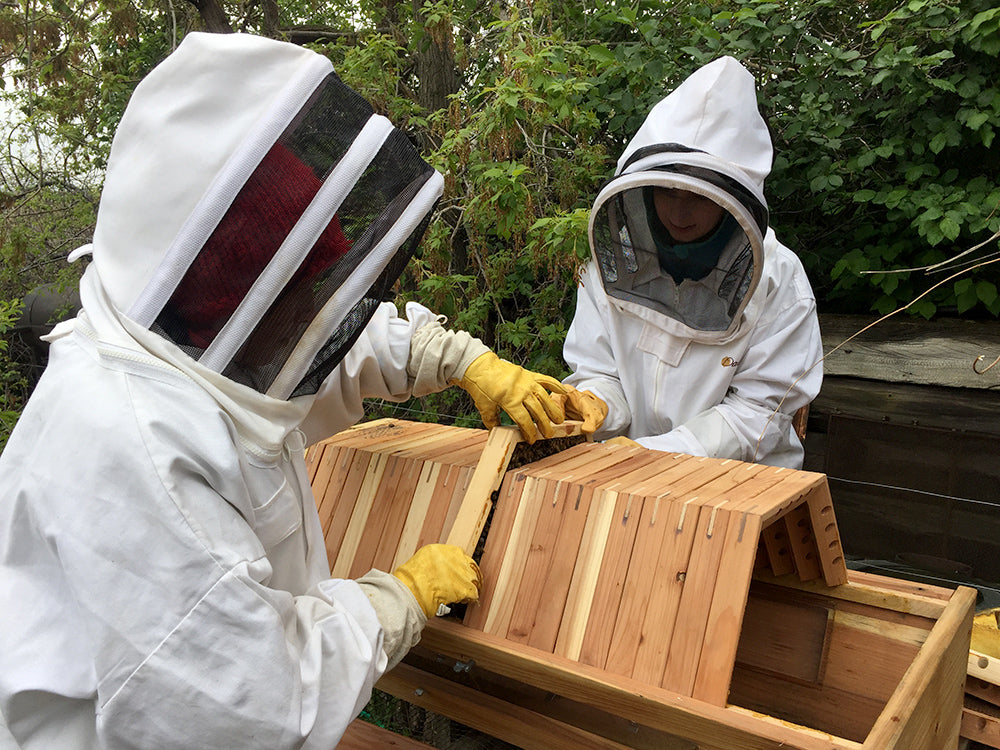
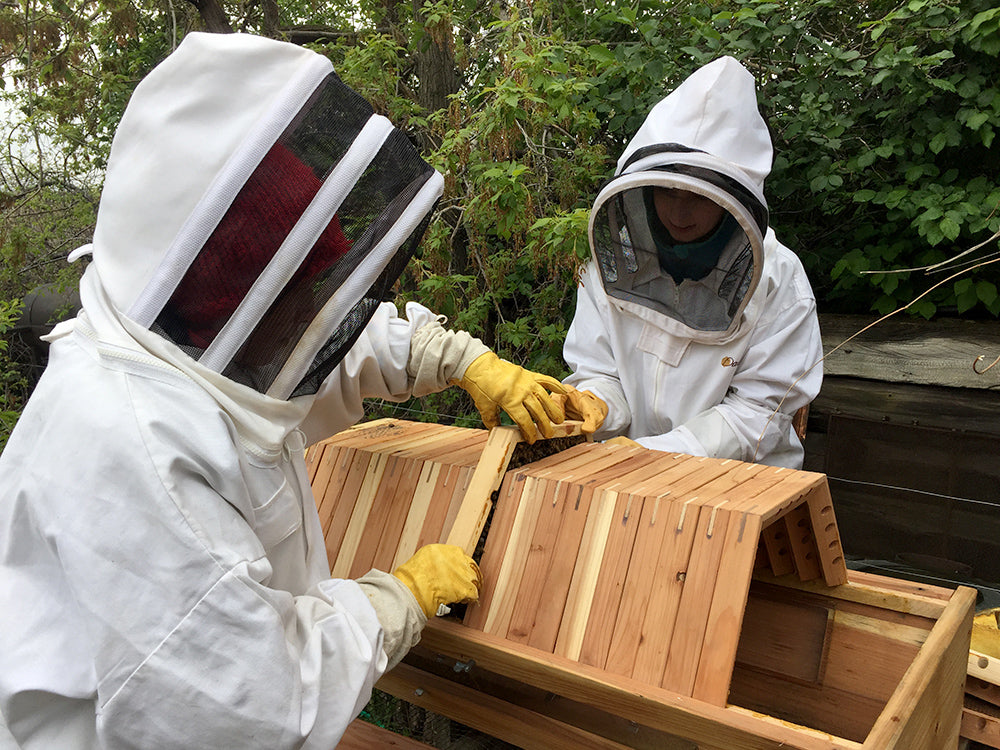
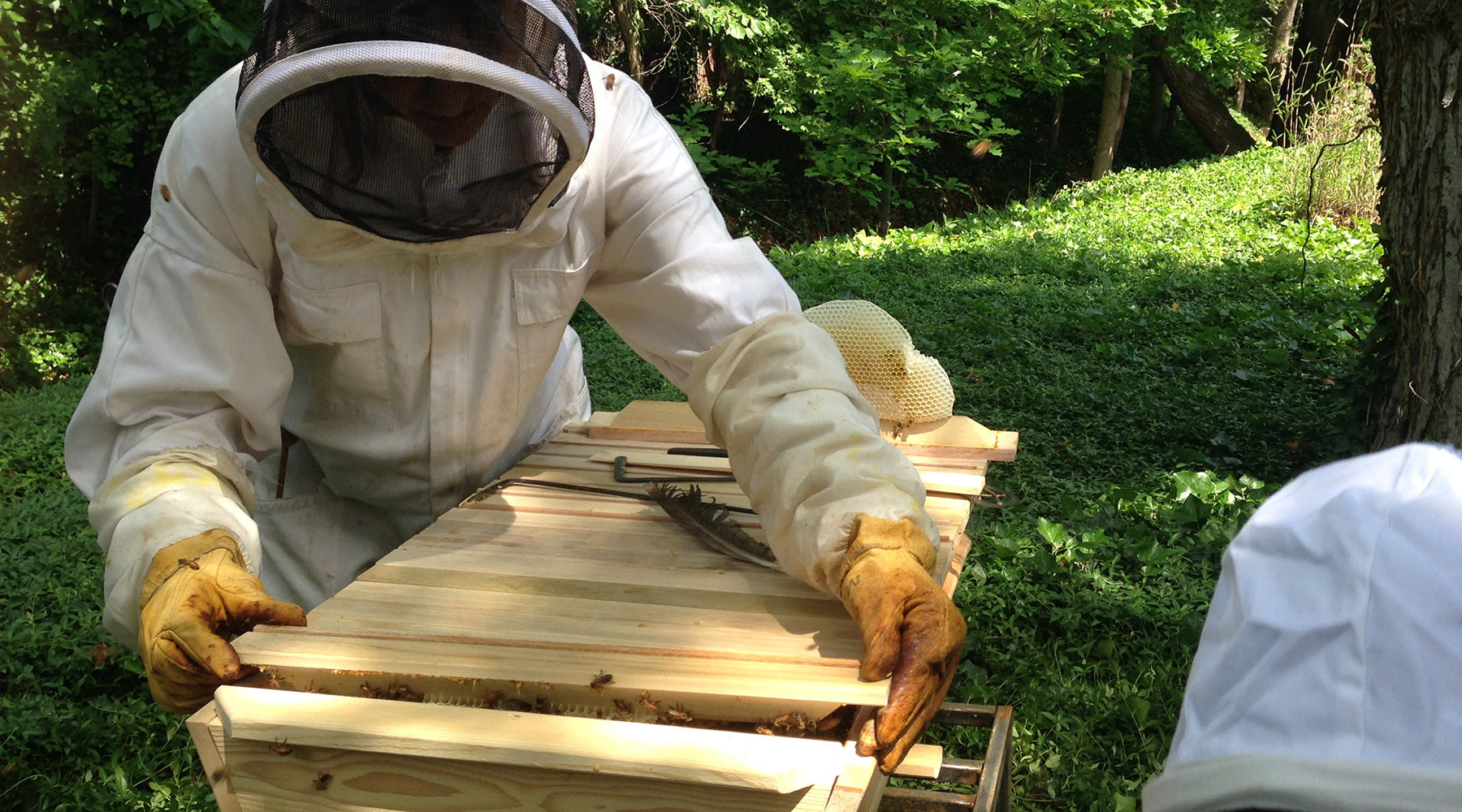
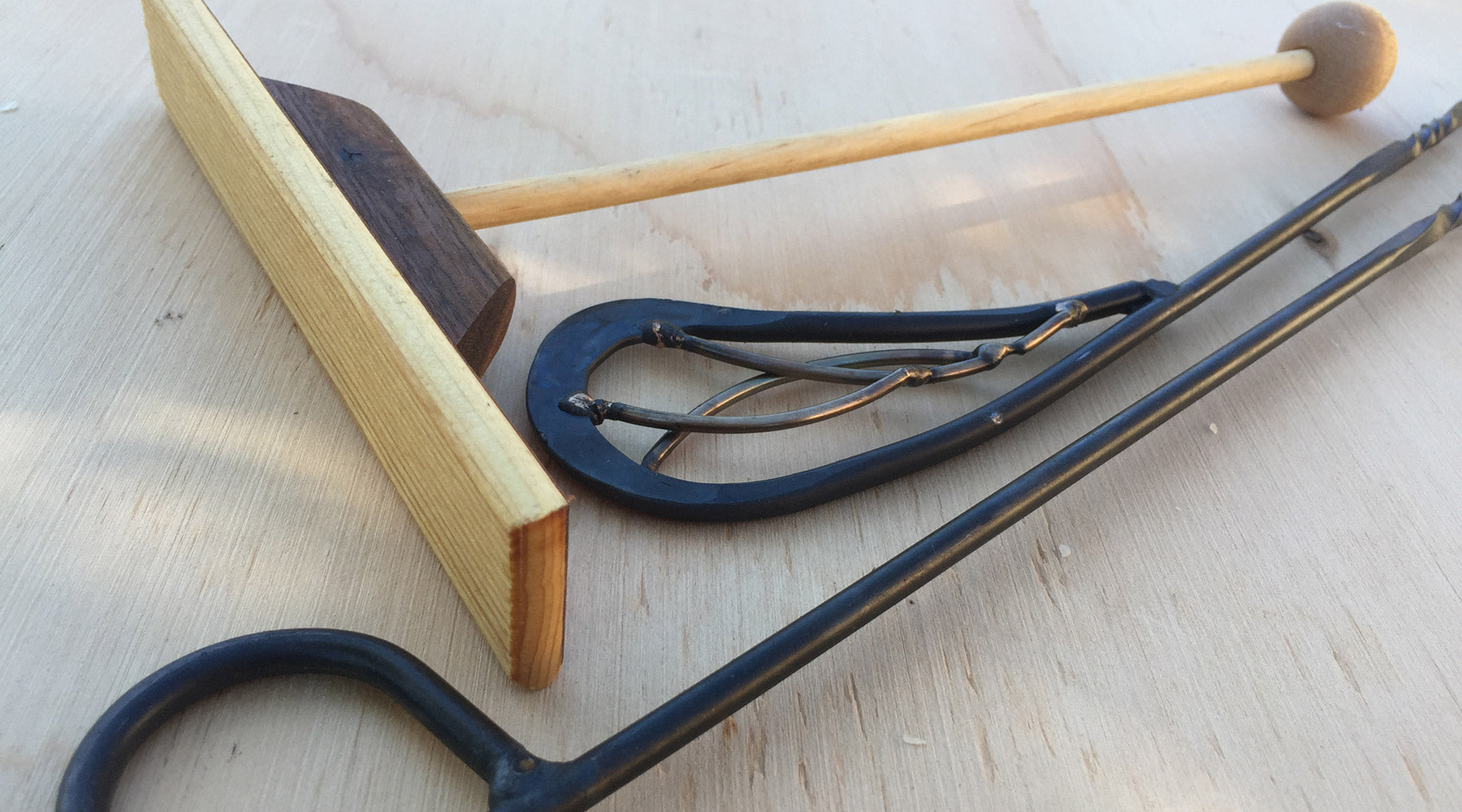
The essential tools and equipment you will need to get started with your journey into Bee Guardianship. Your hive tool is one of the essential pieces of beekeeping equipment you will need to work with your hive. Corwin designed a customized Hive Tool which works really well. This tool is used to pry the top bars gently apart when working the hive.
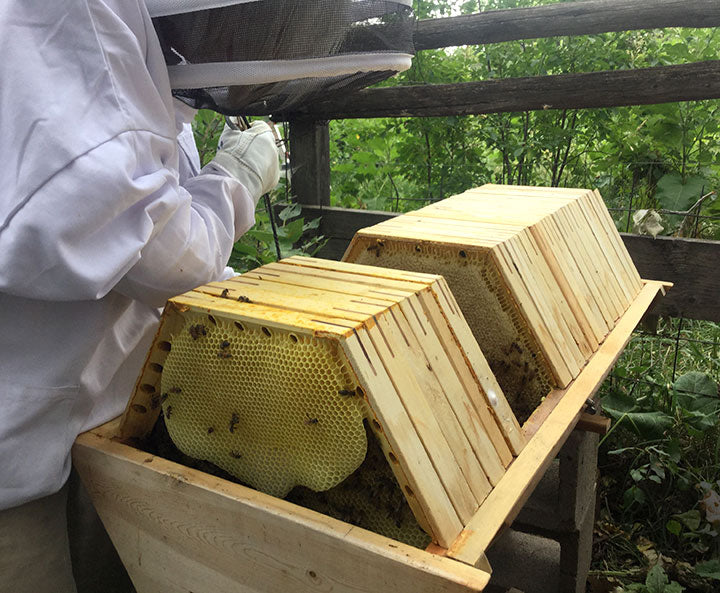
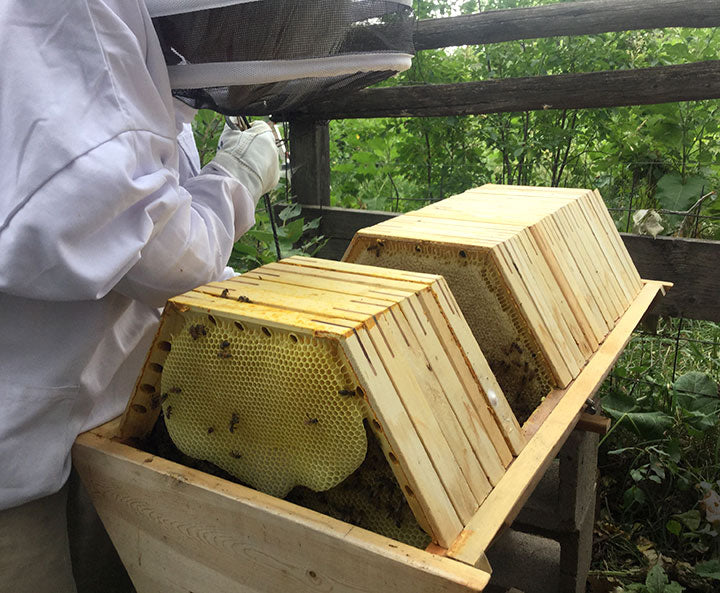
Beginner Beekeeping Steps to Get You Started With a Top Bar Hive.
If you are just starting beekeeping or thinking about starting, then this is the time to catch the wave to get setup for bee season. The first year of caring for bees in the top bar hive is a simple setup.
The majority of bees already have the genetic ability to reduce their entrance by using propolis. This natural process is sufficient to close up the hive for the winter months.
If it's necessary, if the bees have shown no sign of reducing the size of their entrance by late autumn, you can help them out by using a bunch of small sticks. The bees will be able to better regulate the hive temperature by opening the entrance to the extent they need.
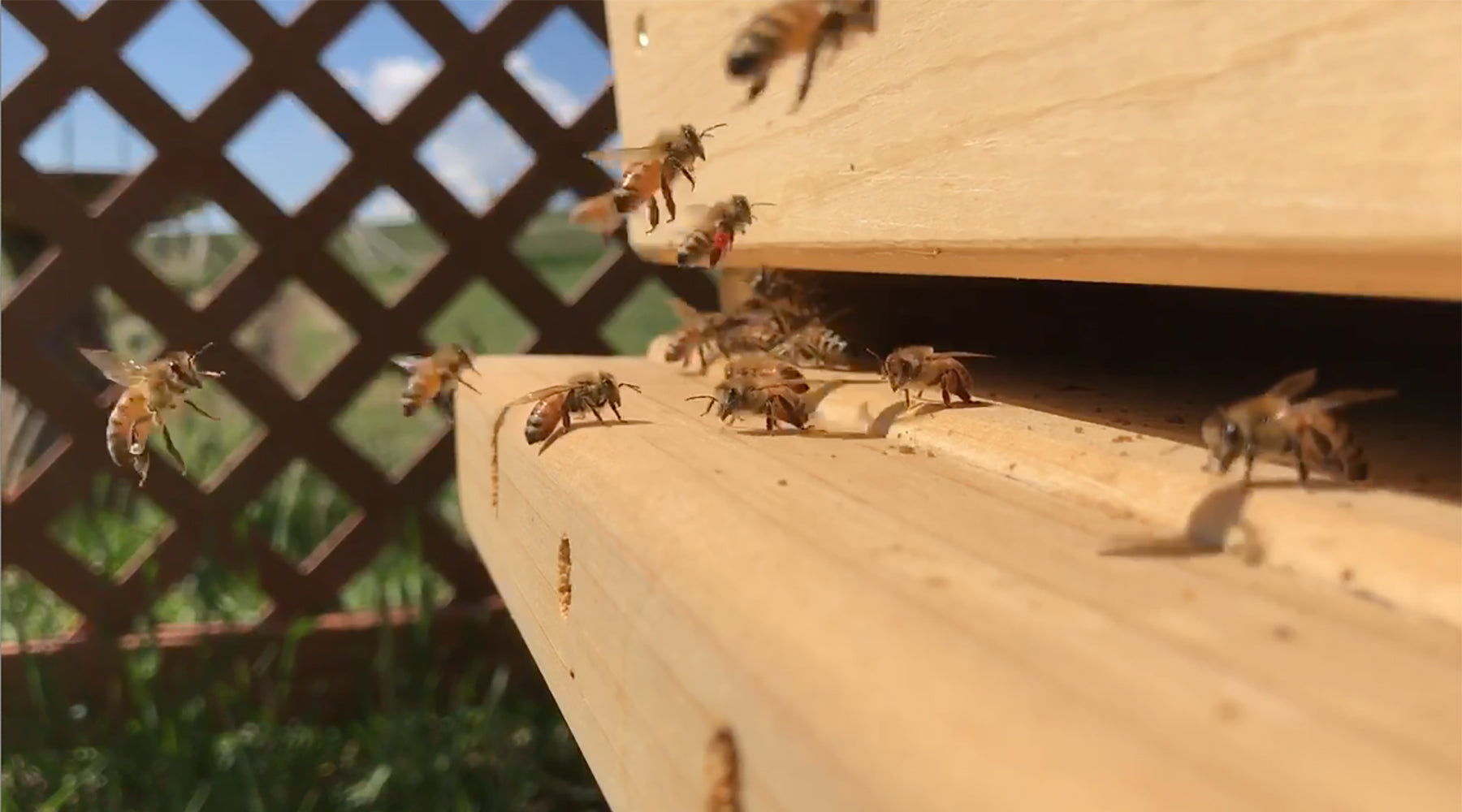
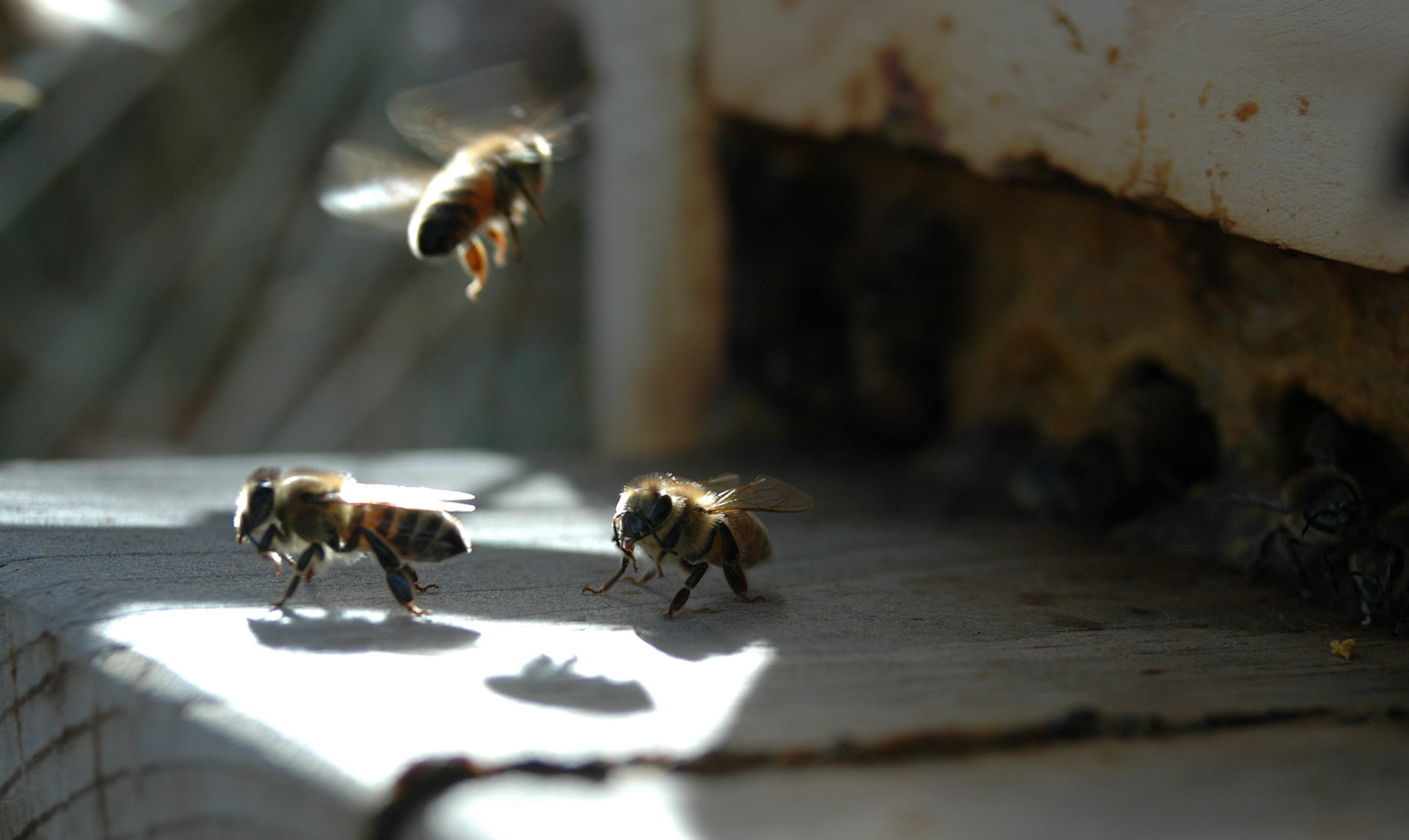
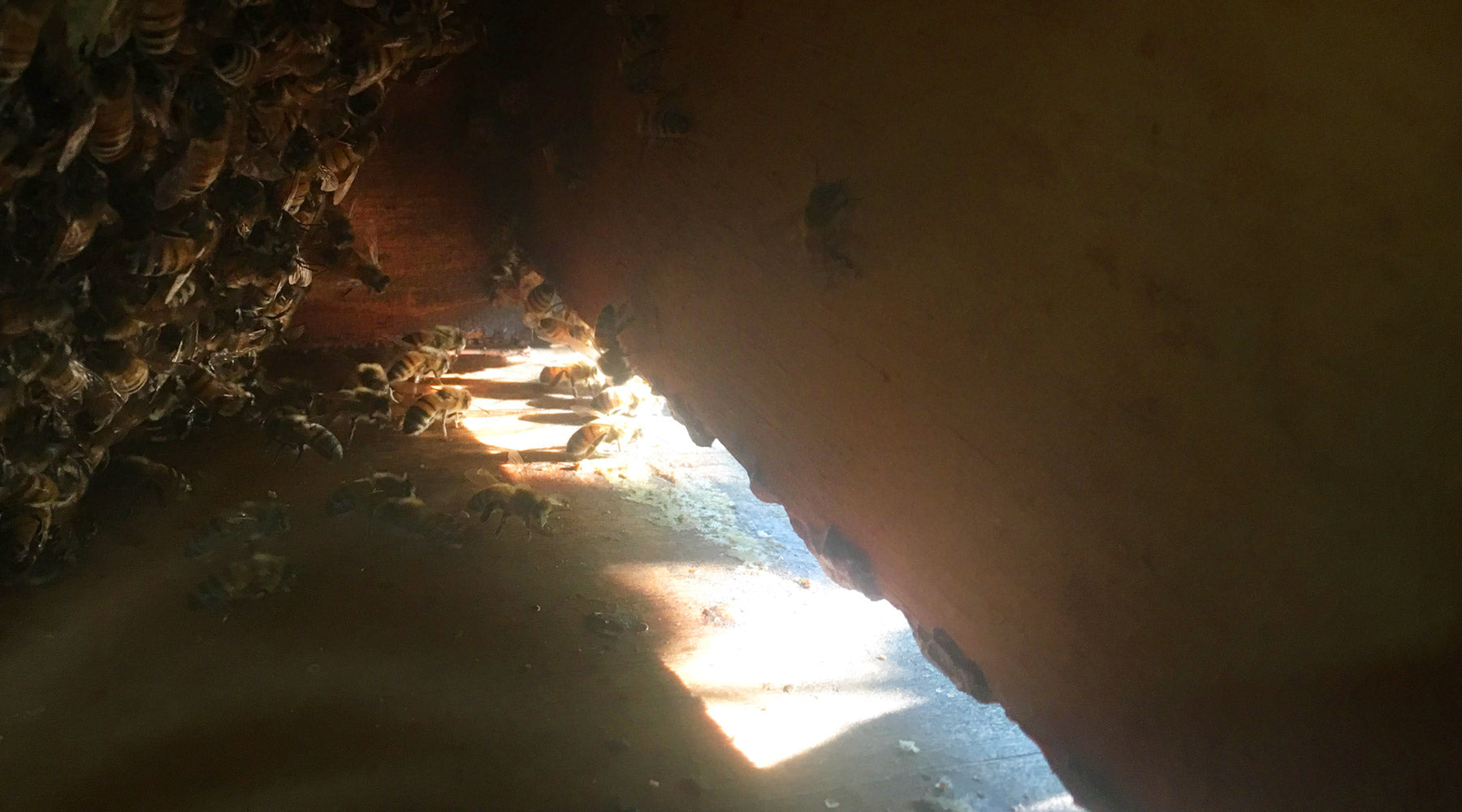
Here is the best way to determine the impact of the "bee presence" in your particular environment. The bees are on a mission, there is no reason for them to loiter around your backyard or your neighbors yard. The bees want to get to the most efficient nectar flow in the area. There will be a path, or a spray of bees emitting from the hive entrance. Usually this is about ten feet in front of the landing board. This path is the main visual part of the hive that is noticable.
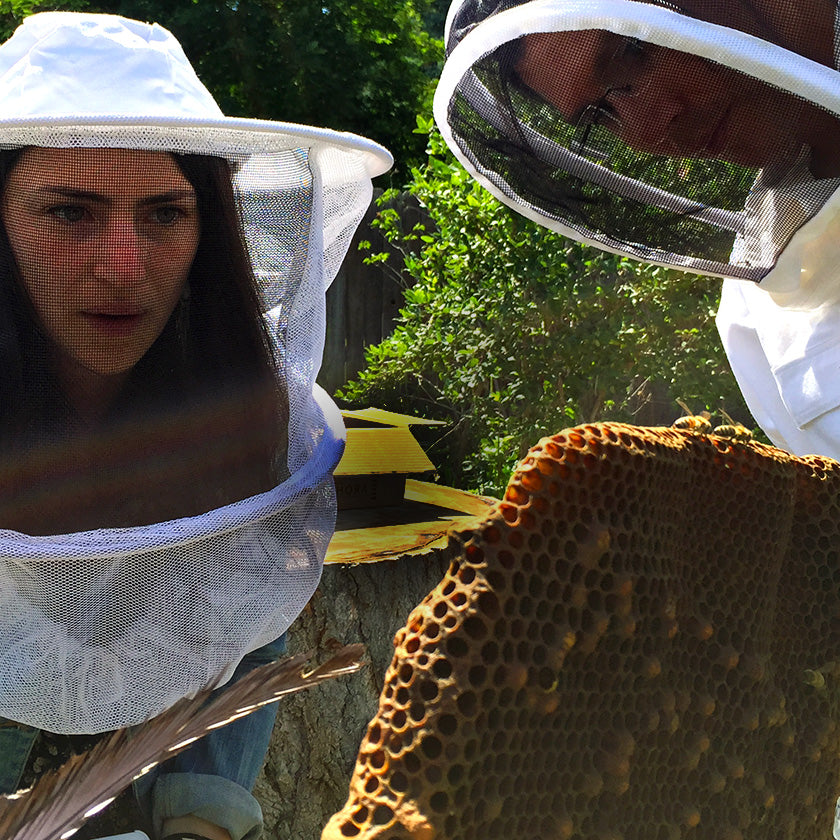
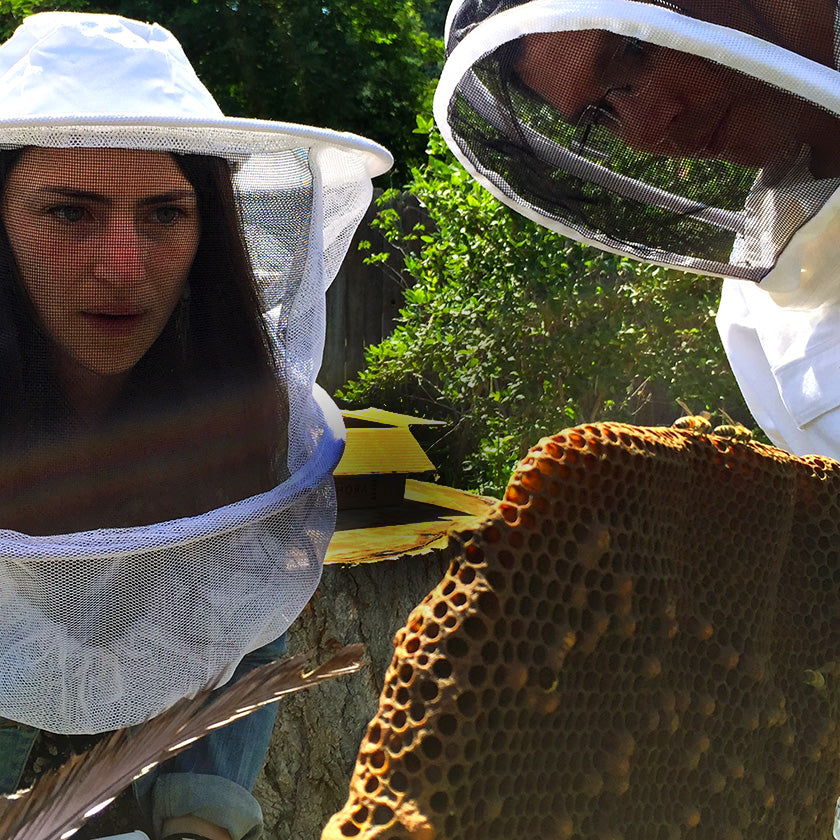
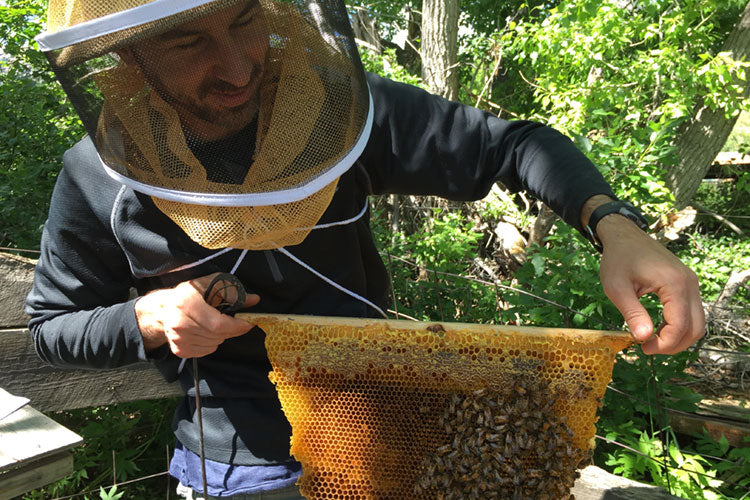
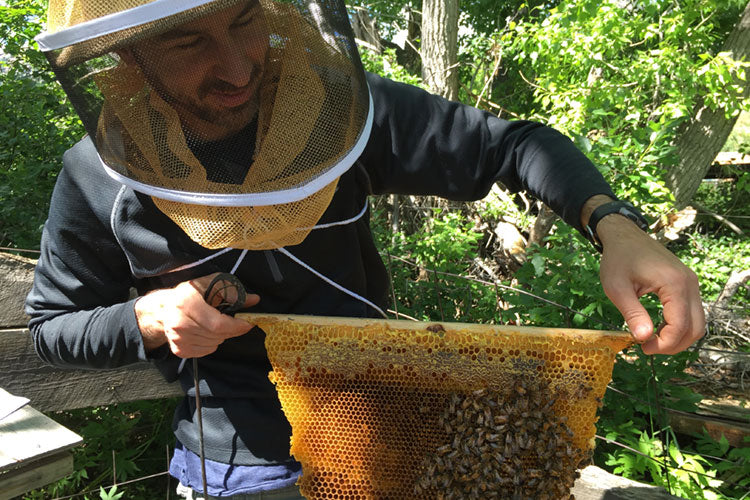
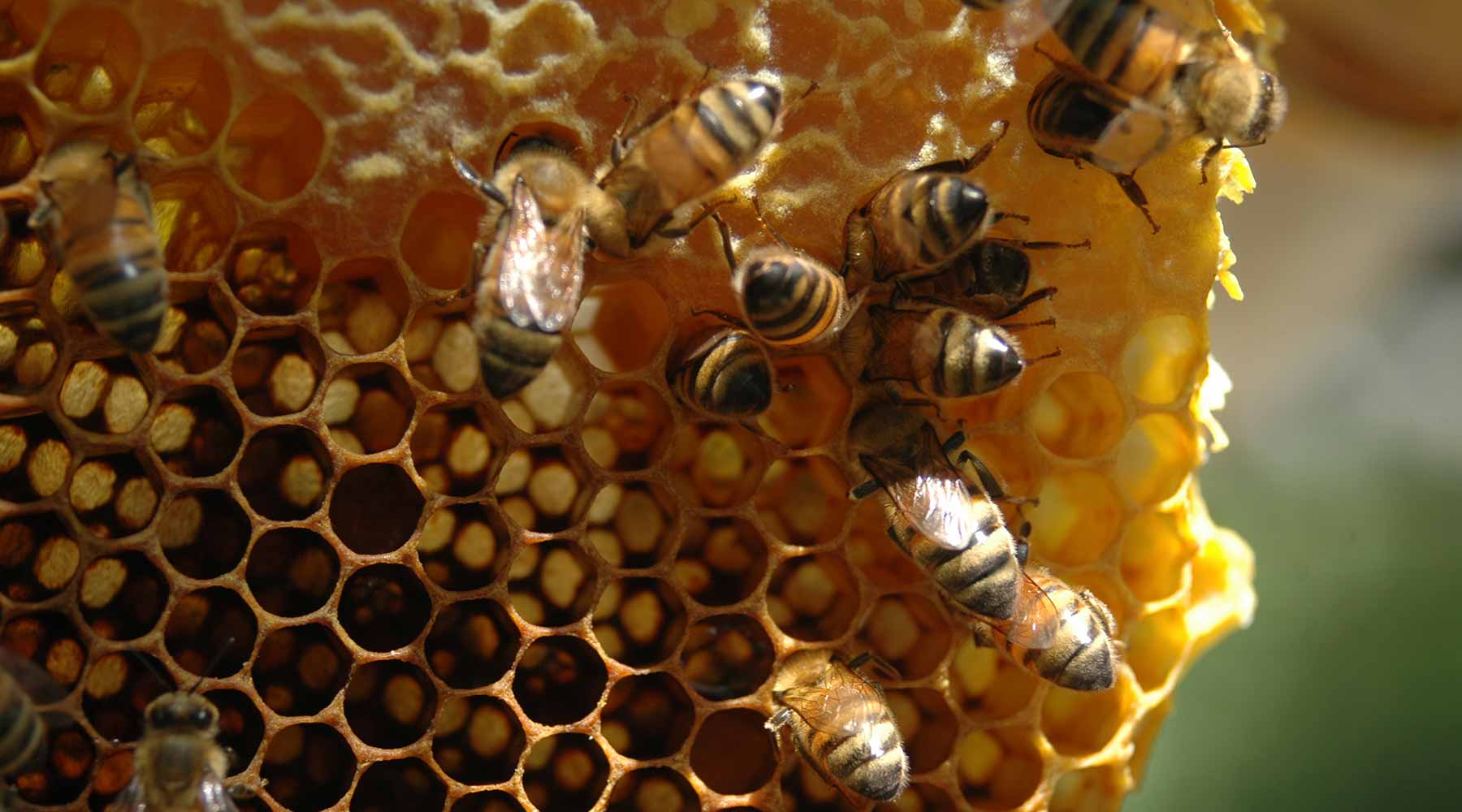
When just starting out with a hive of bees it can be challenging to identify what you see in the cells of each comb in the hive. Soon after working in the hive several times you will soon learn the differences between capped and uncapped honey comb, capped worker brood and capped drone comb. You will also recognize heater bee cells, pollen and emerged bee cells.