Home arrow Home
BackYardHive.com - Information and Resources for Backyard Beekeepers

Our Mission

At BackYardHive, we are committed to information and hive technologies that encourage and enable backyard beekeepers to be successful.
Our primary focus is on improving bee ecology and beekeeping methods that respect the honeybee. Our hope is that by introducing new hobby beekeepers to the rewards of beekeeping that there will eventually be backyard beekeepers worldwide that will help bring back the feral bee population and improve the genetic diversity of the honeybees. This diversity is critically important to the survival of this most precious natural resource. Thank you for being a part of the solution and being a part of the growing community of backyard beekeepers we are helping to create at BackYardHive.com.


read more>>

Taking Initiative for the Survival of the Honeybee

How can I help the decline of the honeybee?

Become a Bee Guardian 

Bee Guardian

What is a Bee Guardian?        
A Bee Guardian is interested, in aiding bees as a species in order to recapture their genetic vitality and diversity. Bee Guardians utilize beekeeping methods that respect the honeybee and oversee the local environment, ensuring it to be safe for the bees.


read more>>

The Backyard Hive

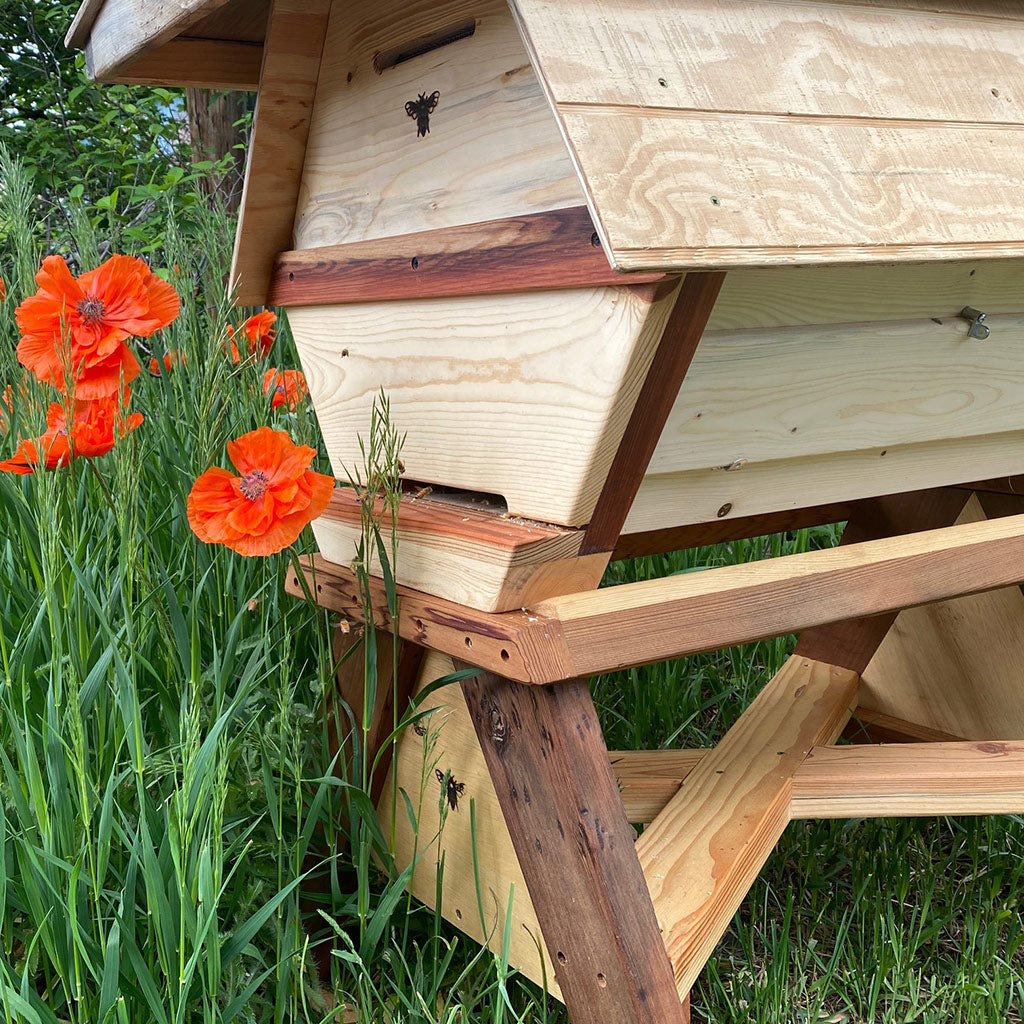
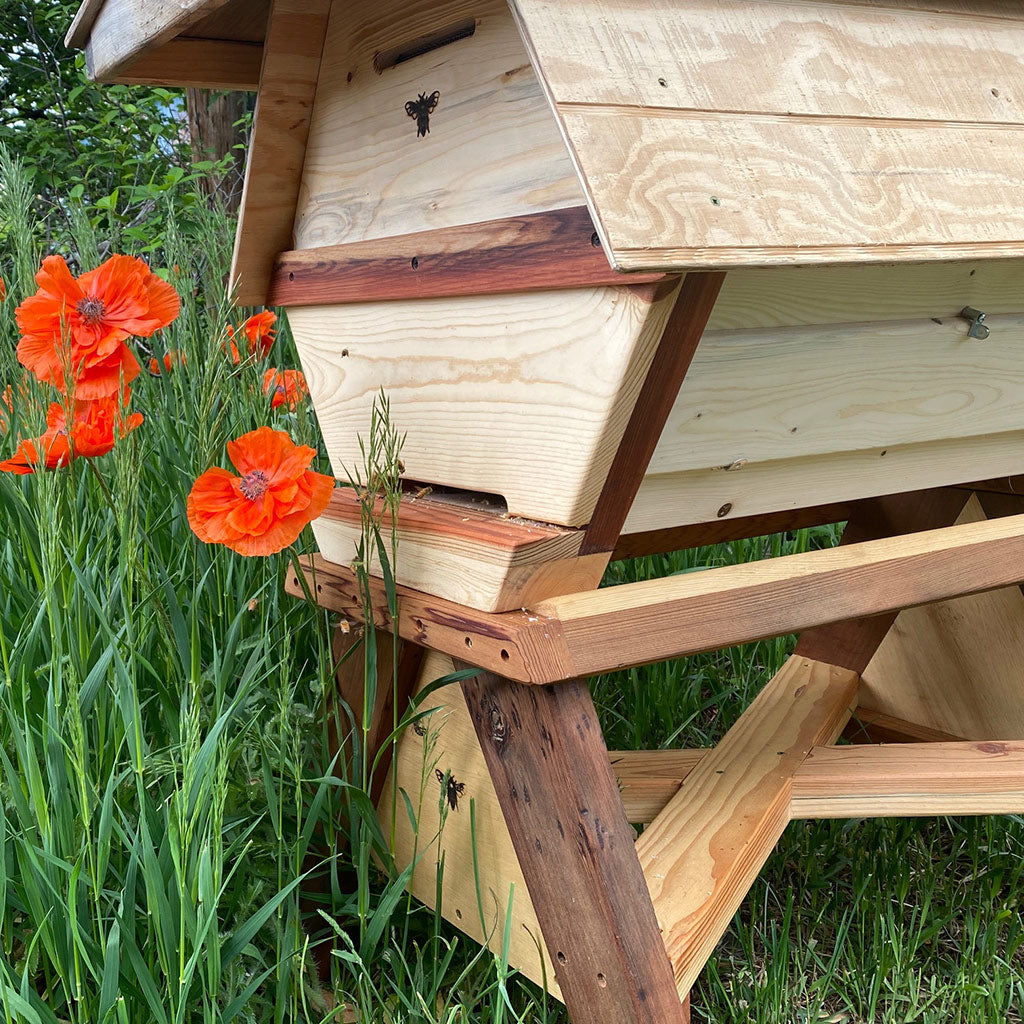
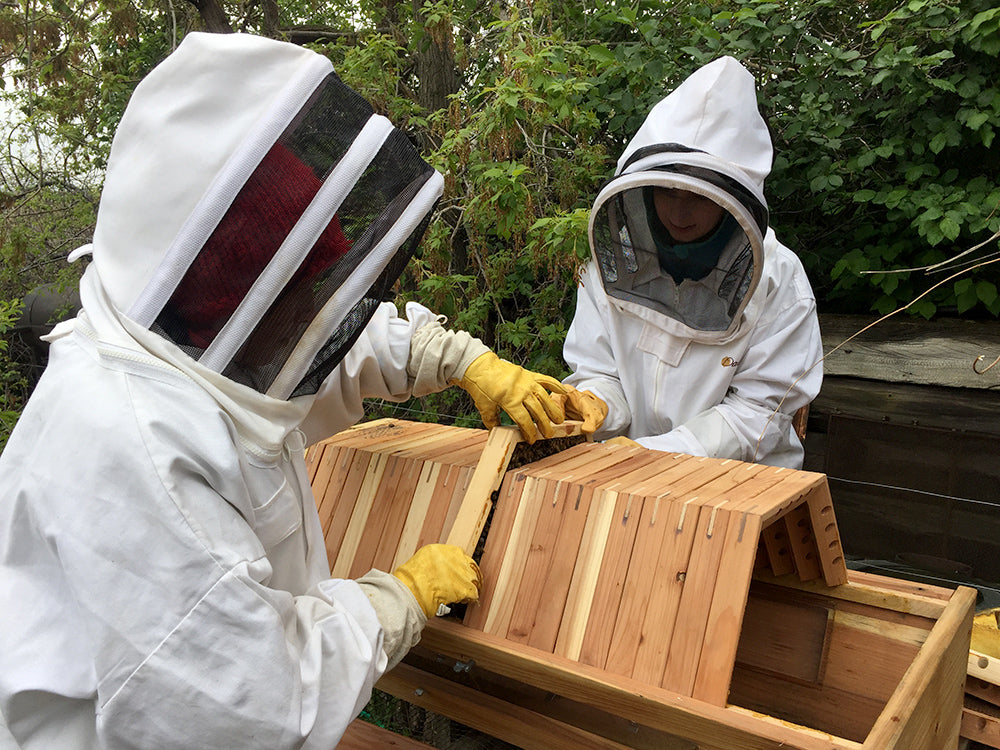
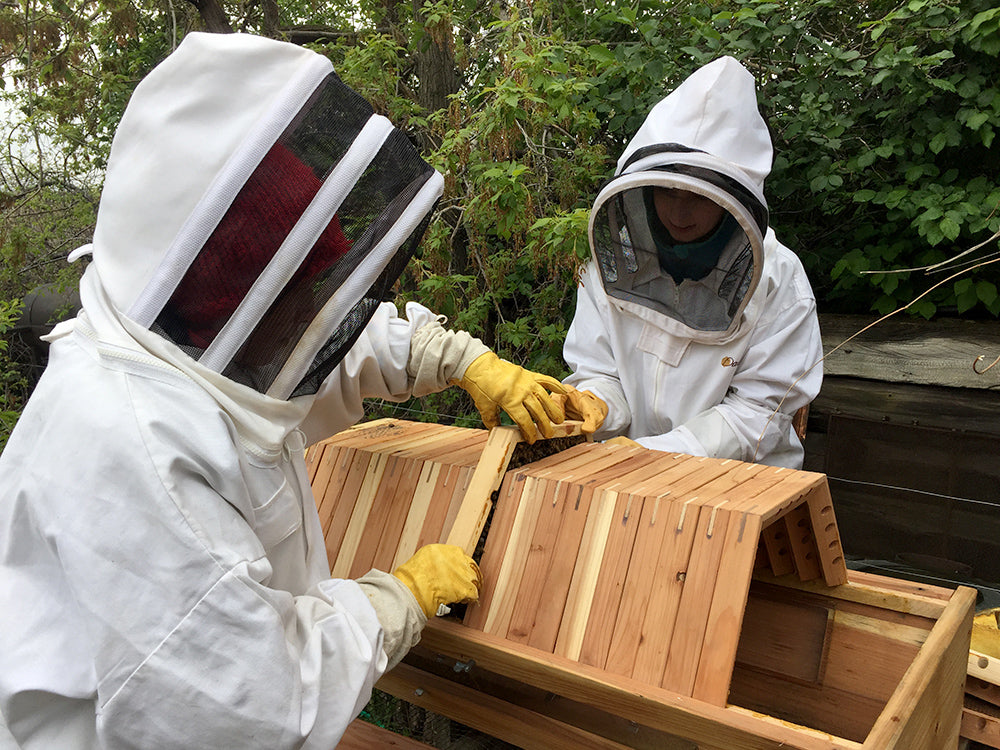
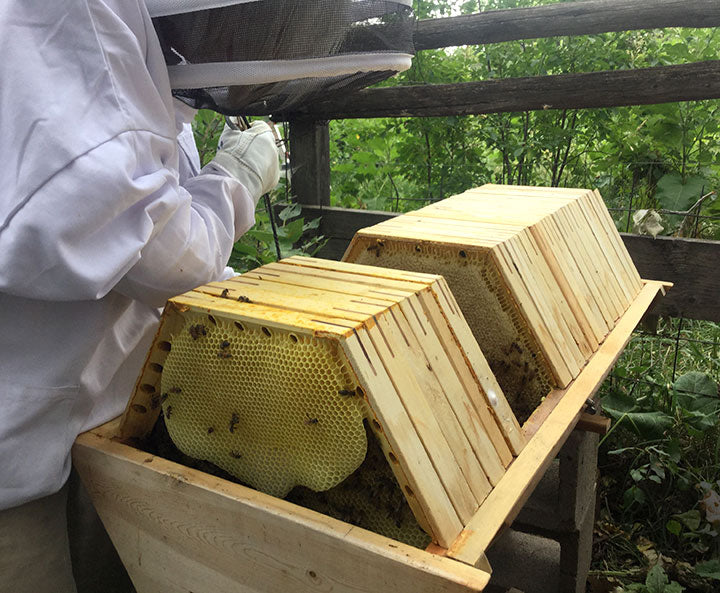
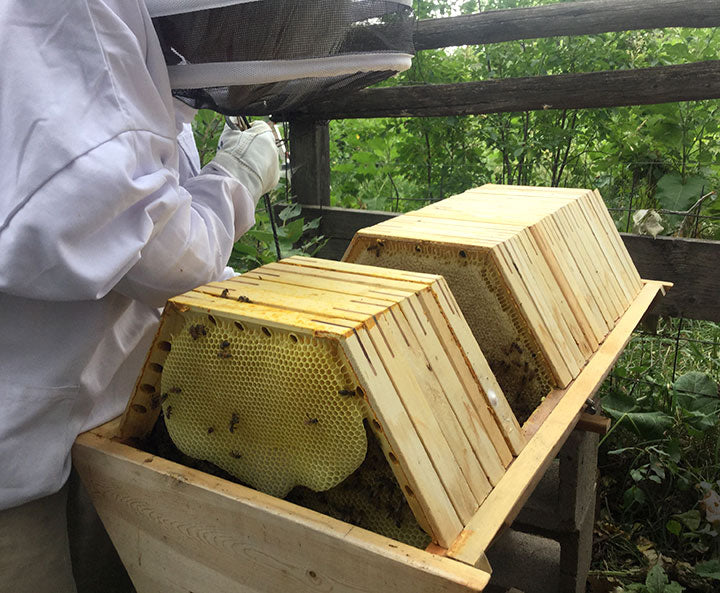
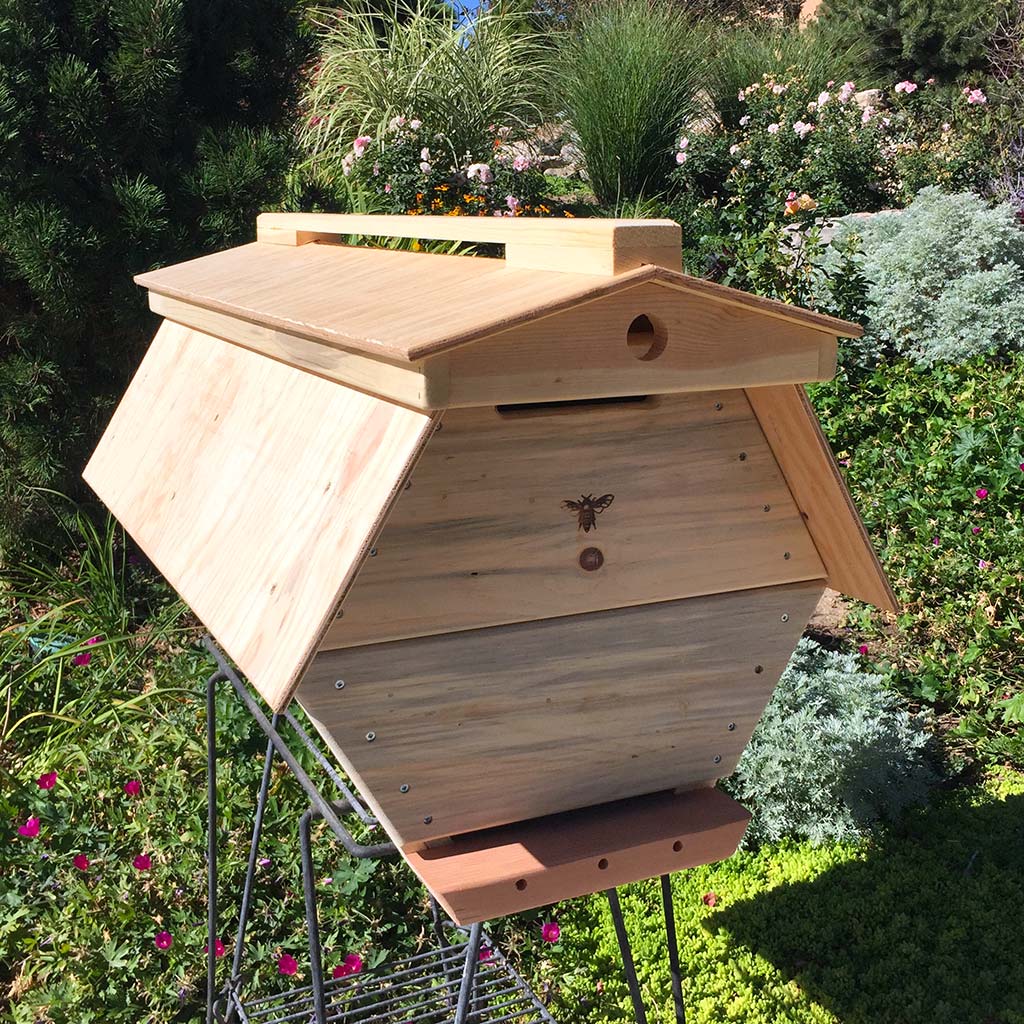
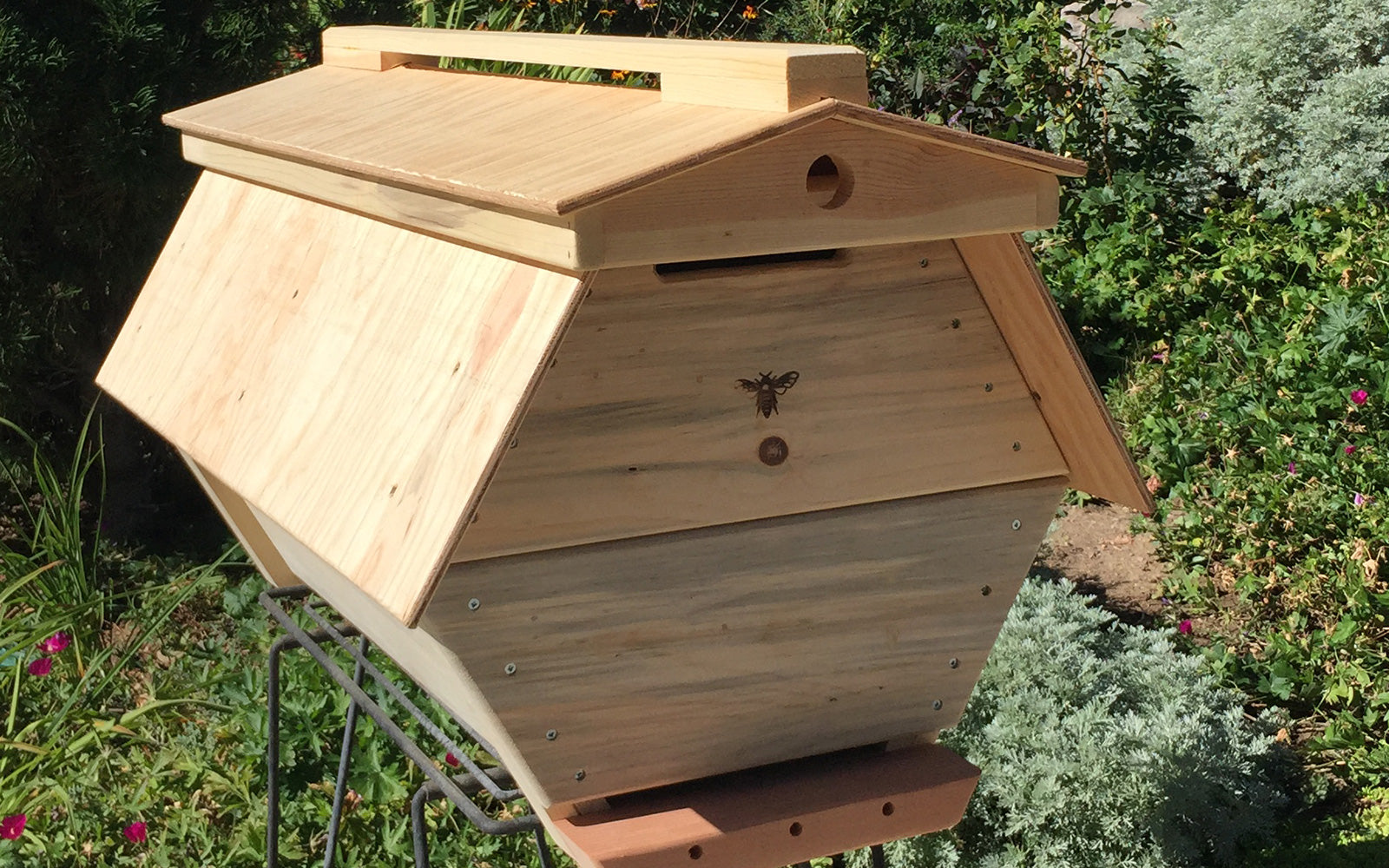
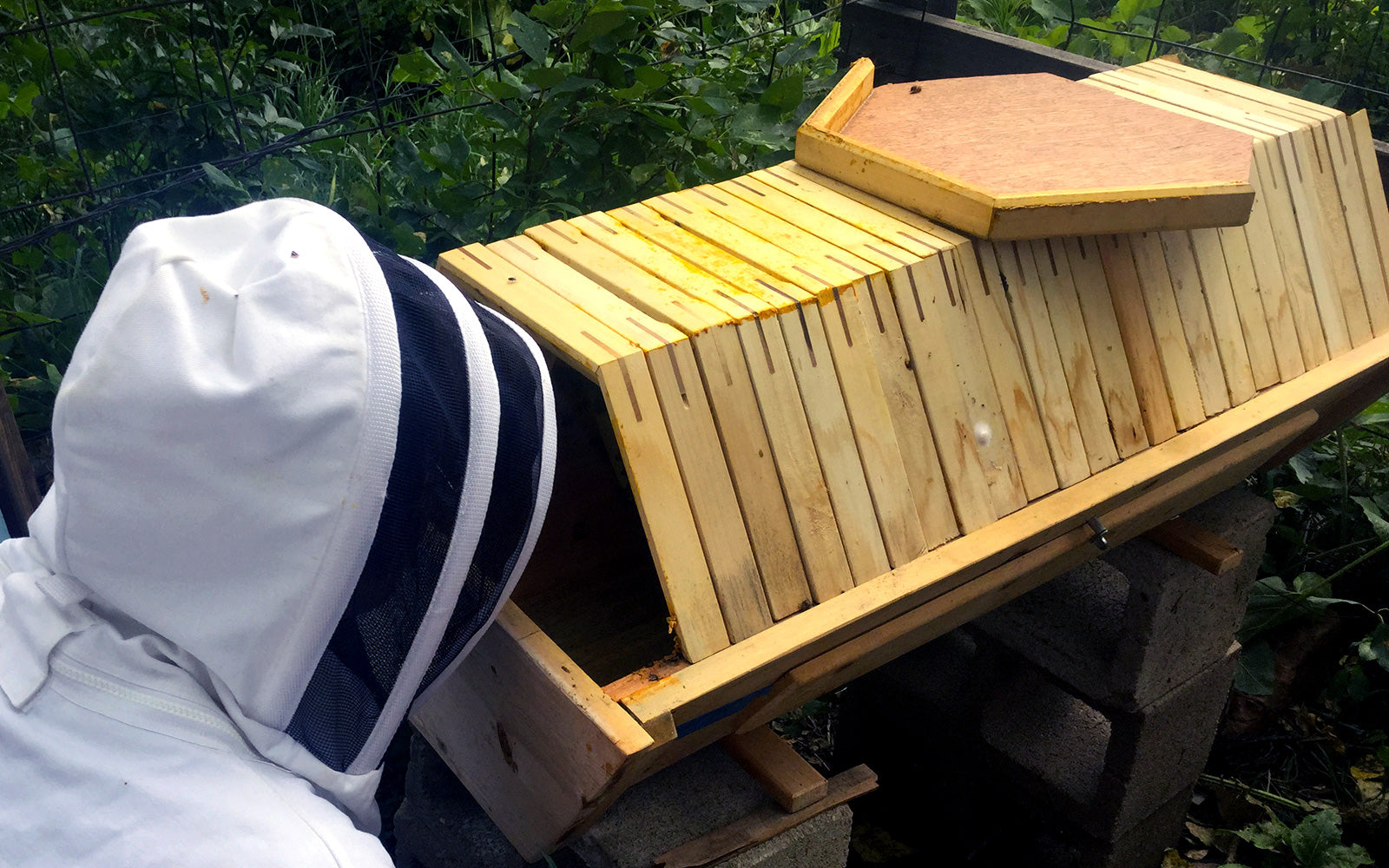
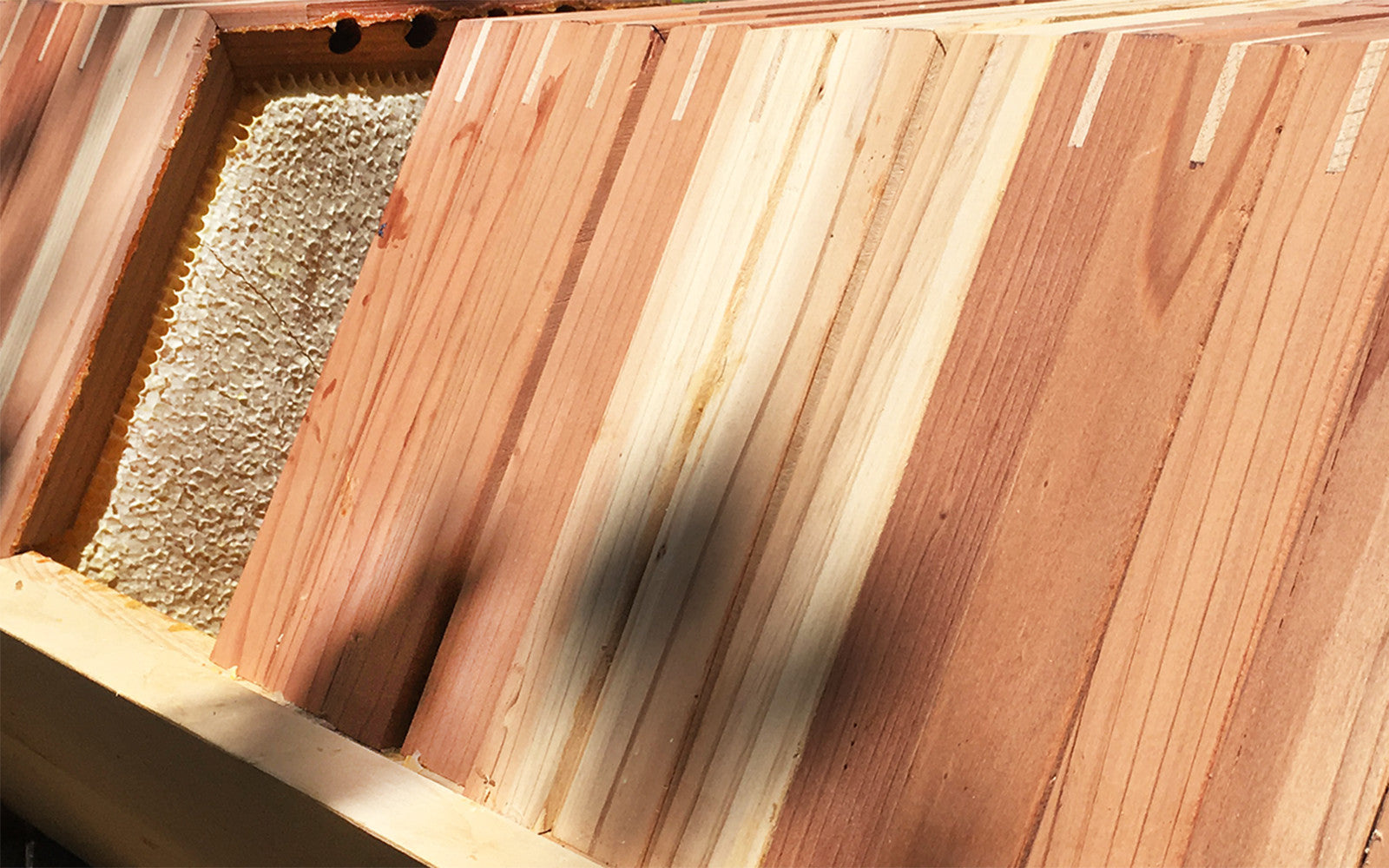
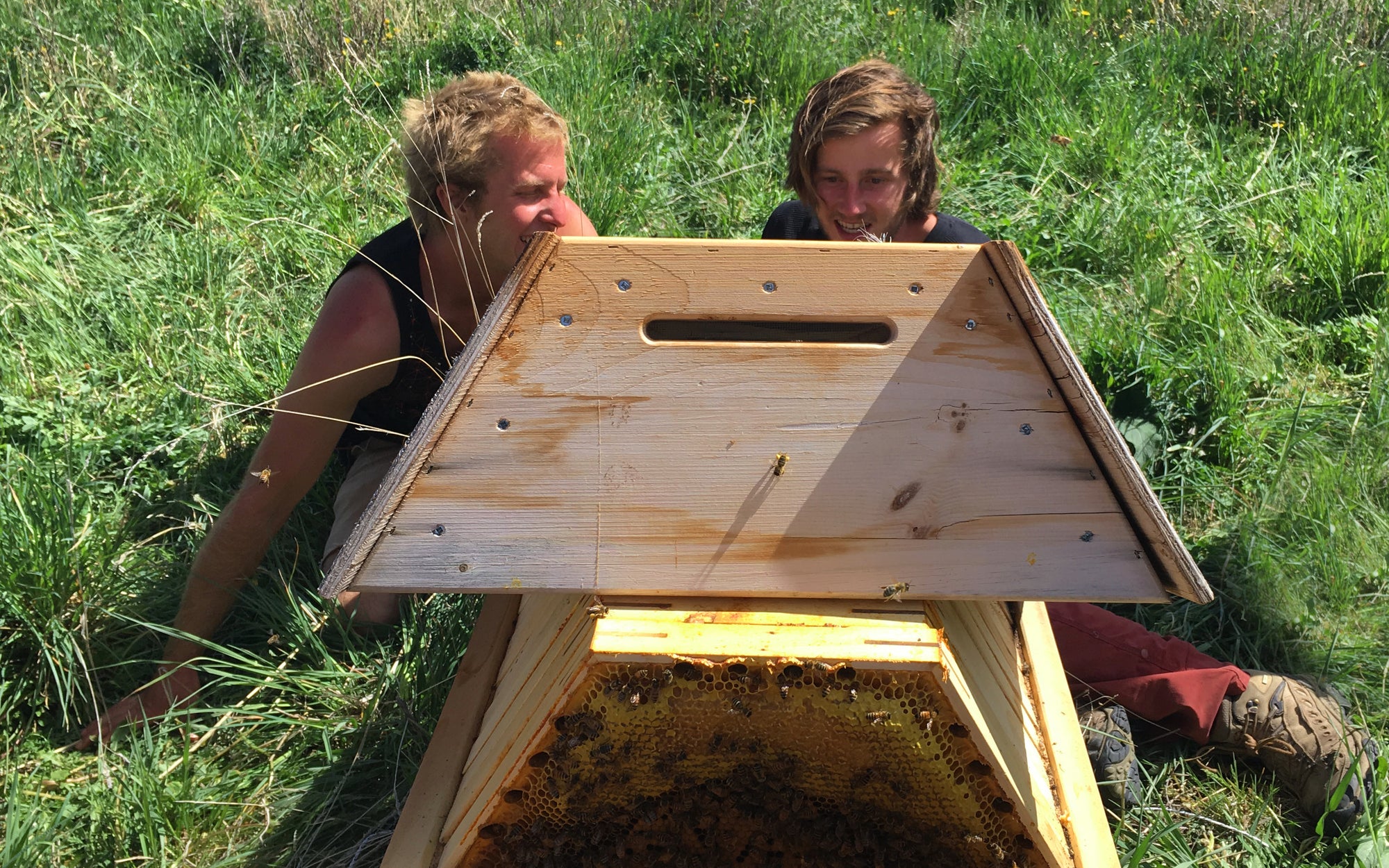
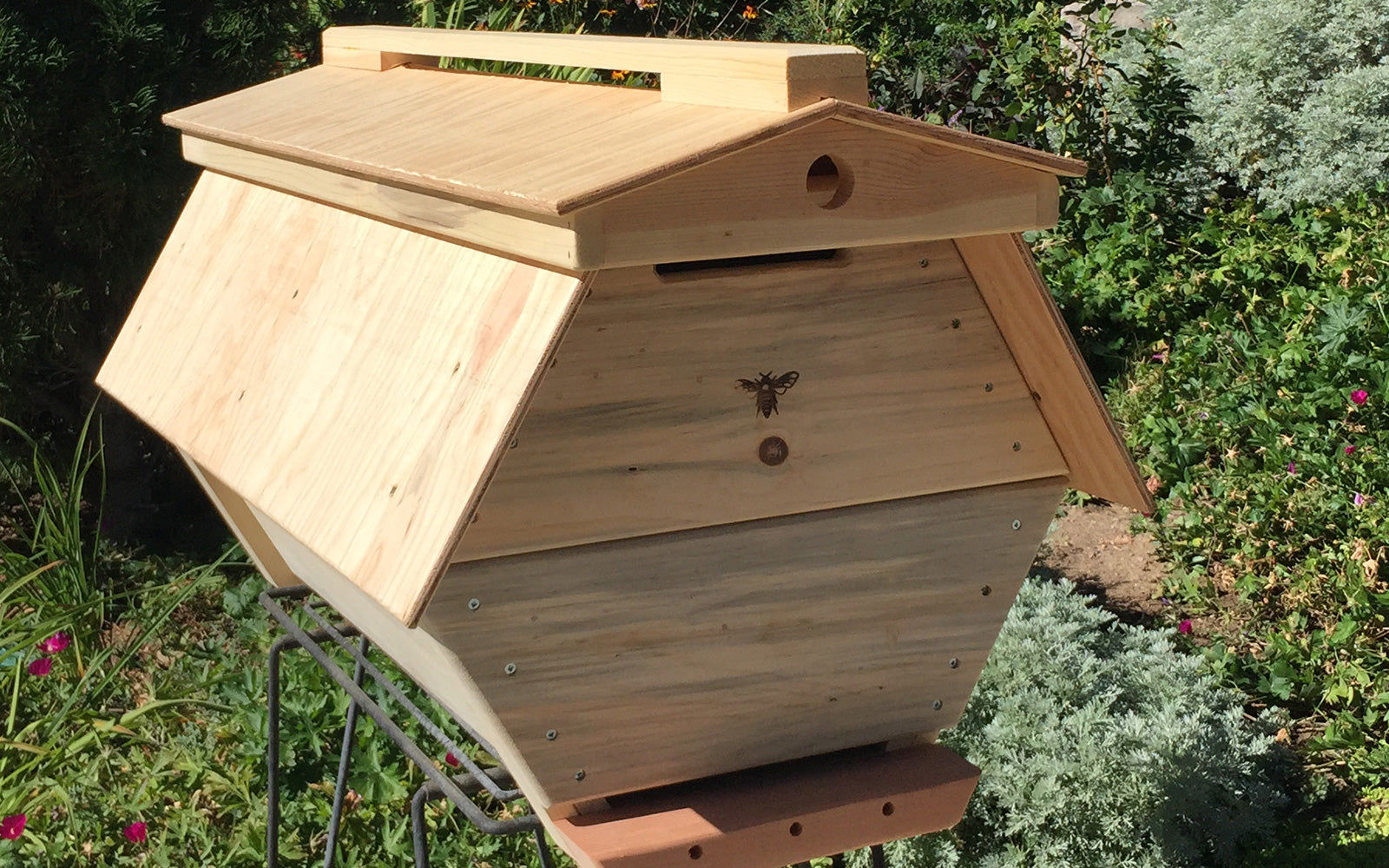
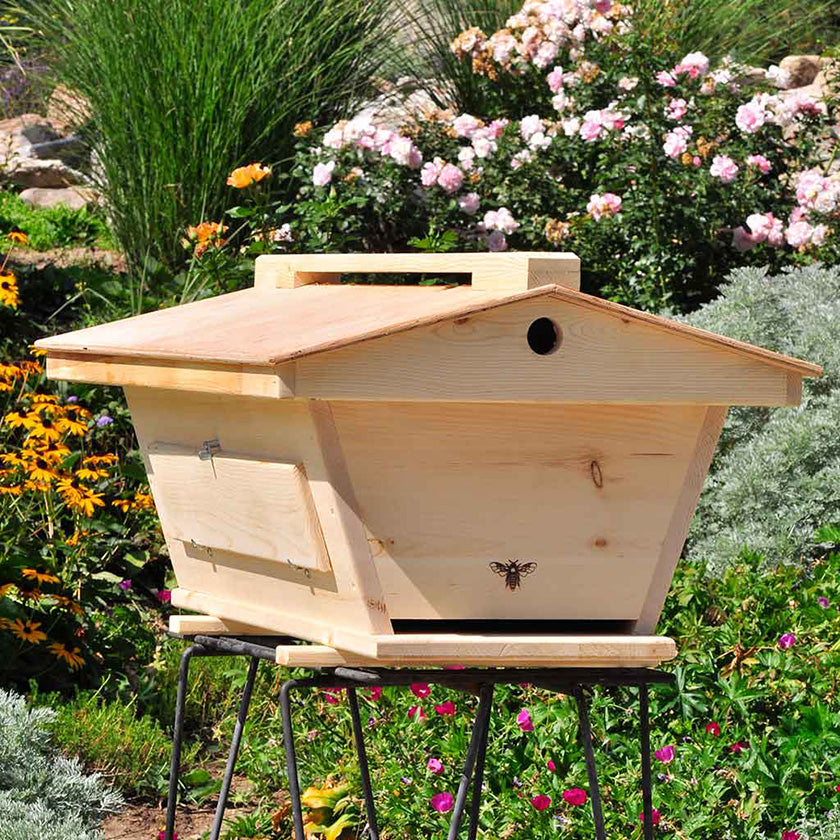
BackYardHive top bar bee hive
The Backyard Hive is an Easy Way to Keep Healthy and Productive Bees Without the Need for Special Equipment or Invasive Practices

The Backyard Hive has many advantages to the backyard beekeeper. This hive is easier to use, inexpensive to purchase, and it requires much less equipment and expertise to get into the adventure of bee keeping.


read more>>

Gaiam Interviews Corwin Bell
Gaiam Interviews Corwin Bell On Colony Collapse Disorder

This is a video interview with Corwin Bell and other local Boulder beekeepers conducted by Gaiam
(one of the largest resources for green living and fitness lifestyle products).  Click to view the video: Gaiam Interview

read more>>

Insulating Your Hive

Winterizing Your Top Bar Hive for the Colder Months
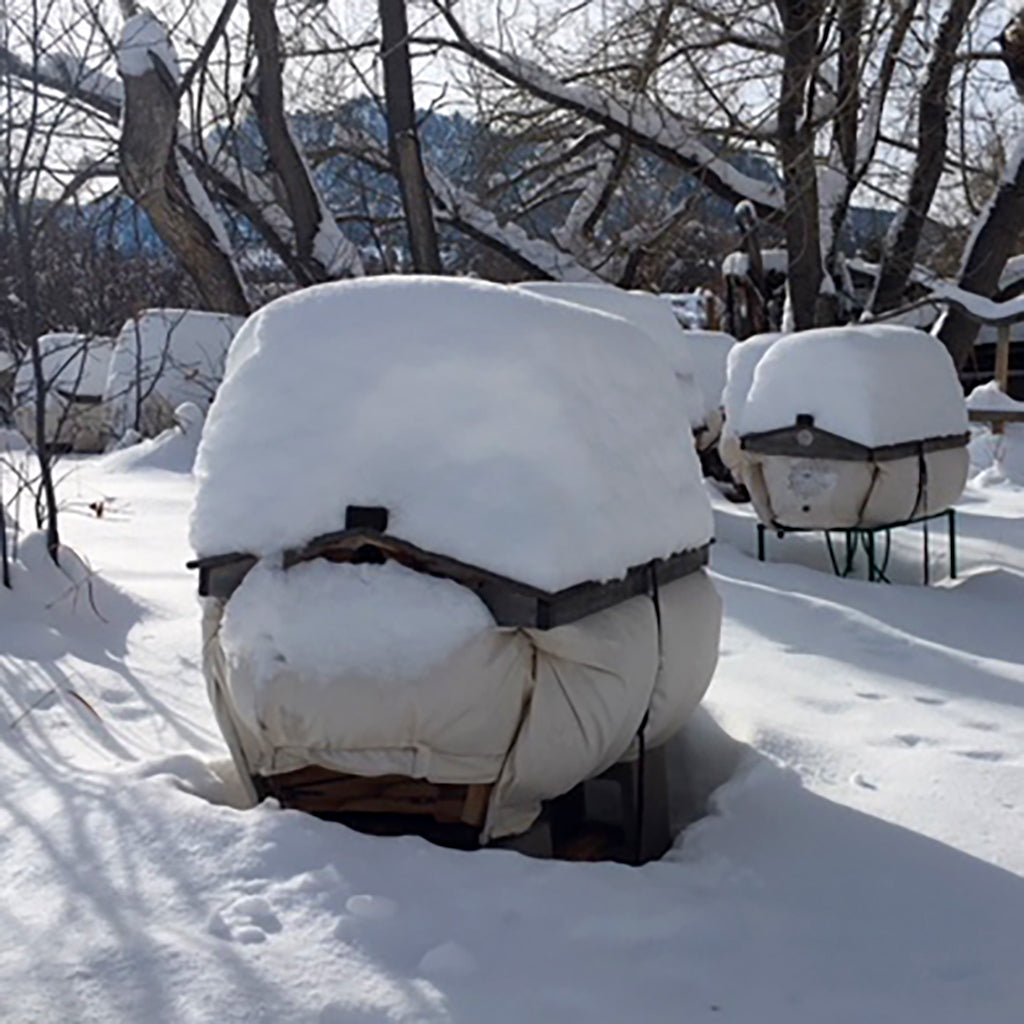
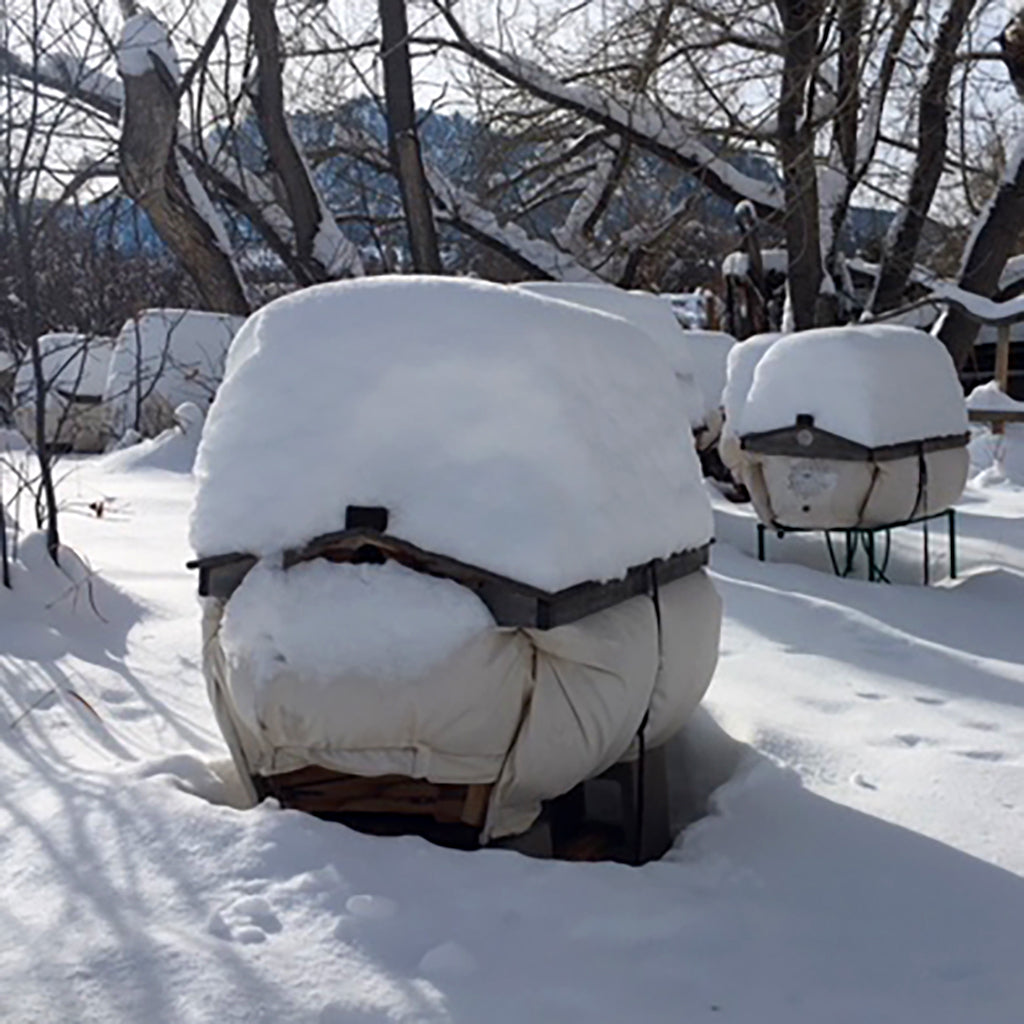
Insulating your beehive for winter

Here in Colorado we experience very cold winters. Most of the content in this article is directed toward those who live in cold winter climates. Insulating the beehive, and keeping a full hive of honey is important in areas where you will experience below-freezing temperatures for many days at a time. Obviously, if you live in a very warm climate like Florida it will not be necessary to winterize your hive. Understand that you may need to adjust this information for your specific climate and area.

Because of how the bees use honey over the winter, we have changed our thoughts on when the best time to harvest honey actually is. We find that it is more supportive of the bees to harvest honey in the spring instead of in the fall in colder climates because the bees will need the honey for warmth. Not only do the bees eat the honey, but they also take advantage of the honeys’ incredible heat storing properties as thermal mass. During the day, the honey absorbs warmth from the radiating sun, stores it, and slowly releases that warmth back into the hive throughout the coolness of the evening and night. That being the case, we feel the last honey harvest in the fall should only be to prevent the bees from attaching their comb from the false back. Do not remove more than 1-2 honey combs. Labor Day is a good reference date to keep in mind as around the last time you want to harvest honey.

There are four fall “chores” to prepare your hive for the winter:

1) Move the false back forward

2) Install a feeder cup if your bees don’t have enough honey stored

3) Install the winterizing entrance reducer

4) Insulate the hive


read more>>

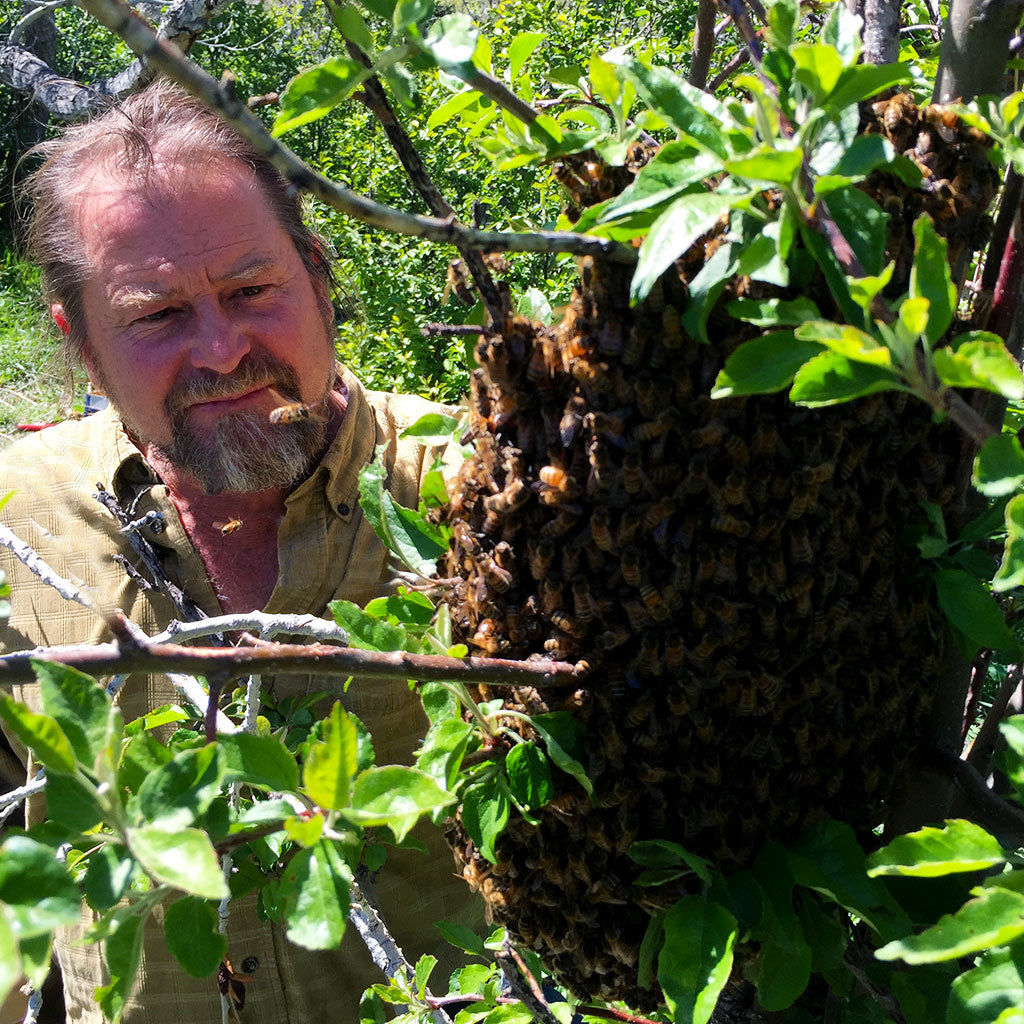
Catching Bees - By Will Dart
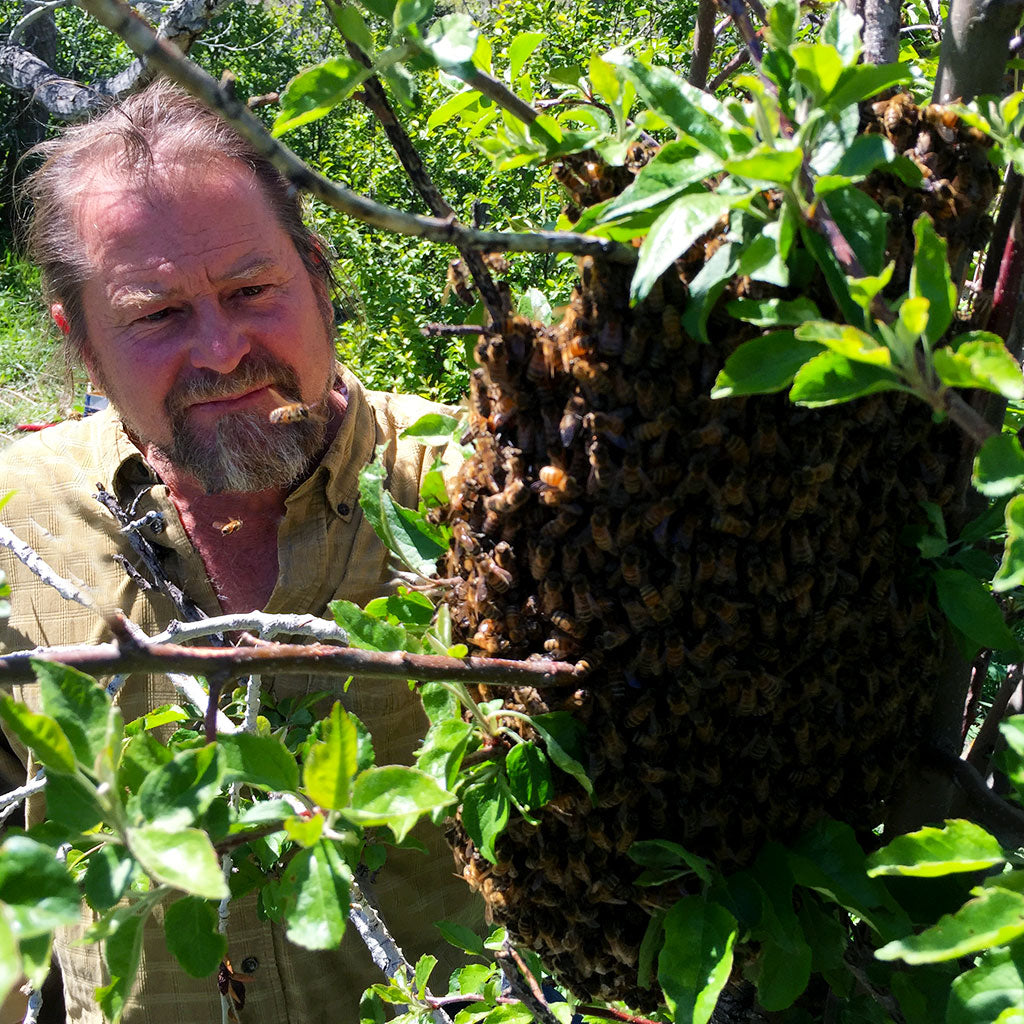
swarm of bees in tree

My bee-wrangling journey began very simply, with a call to a bee supply company in a neighboring town. I was looking for a swarm to purchase; the woman I spoke with informed me that they were out of swarms (I called in June, too late in the season), but that she could put me on their “swarm list” if I wanted. (A “swarm list” is a list of people who volunteer to remove bee swarms that show up in people’s yards.) I had no experience with swarms whatsoever—I’ve never even seen one in person—but I had a friend who had told me about catching swarms and who I knew I could call for advice...


read more>>

A Simple Harvest


Honey Harvest

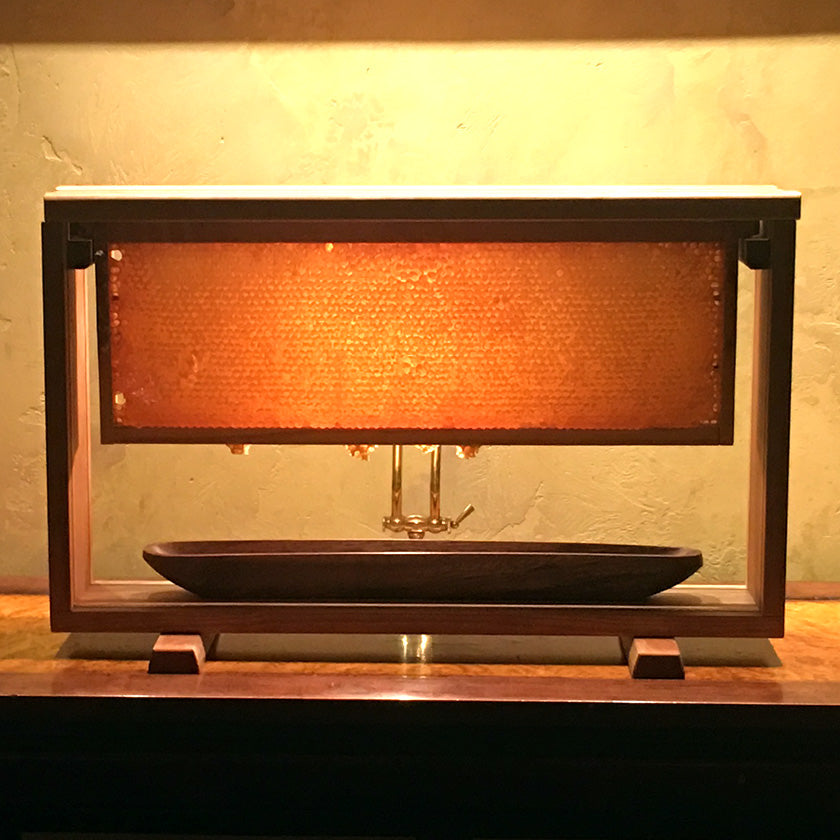
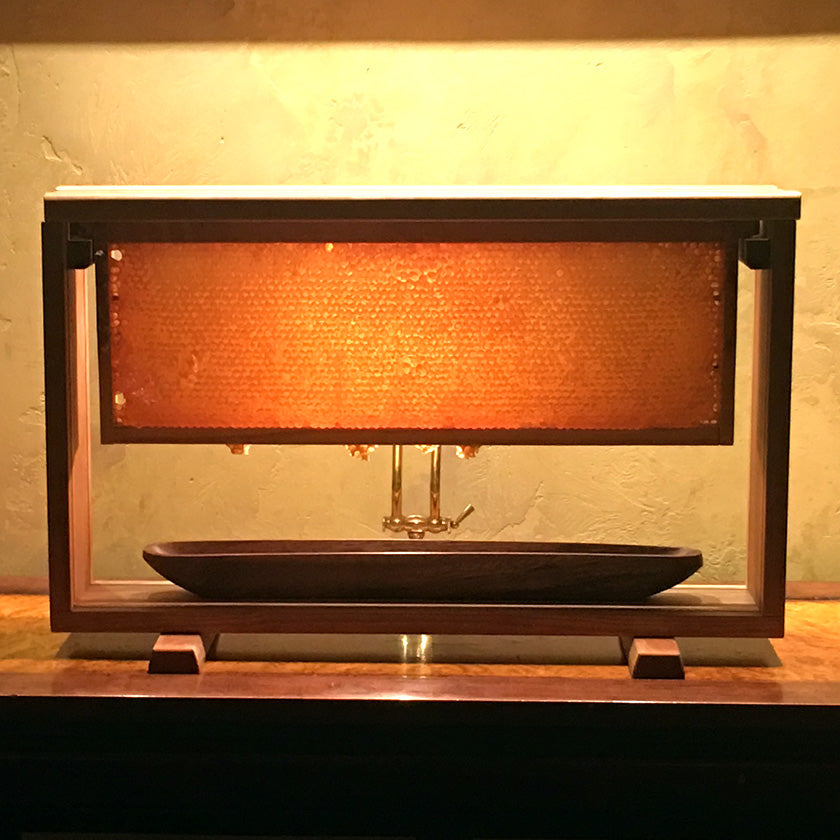
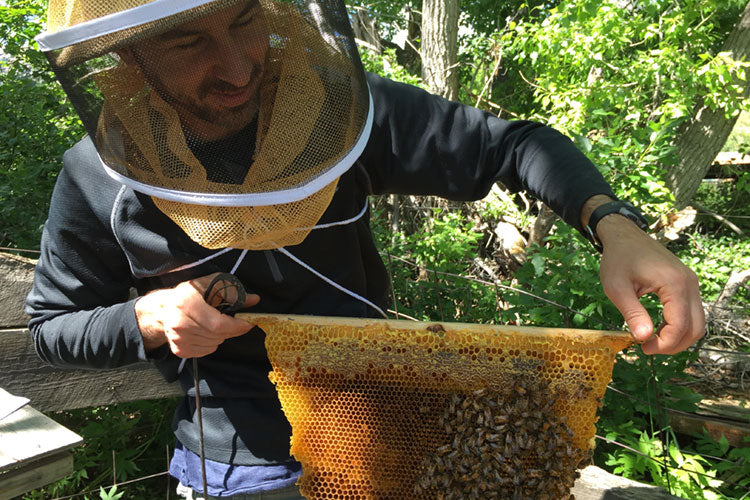
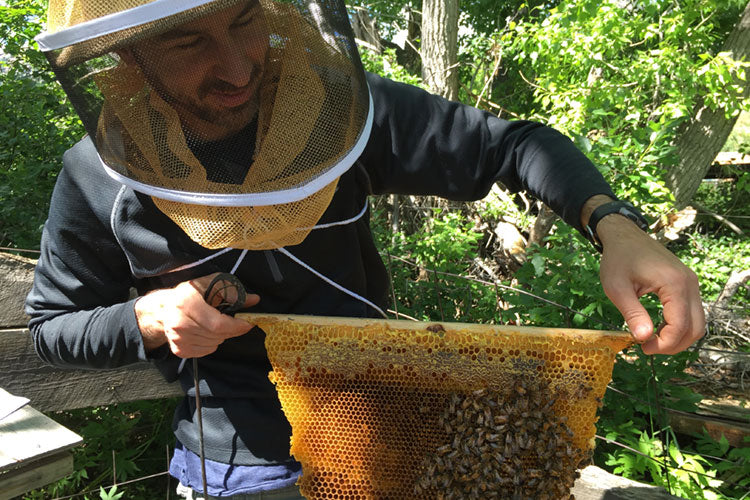
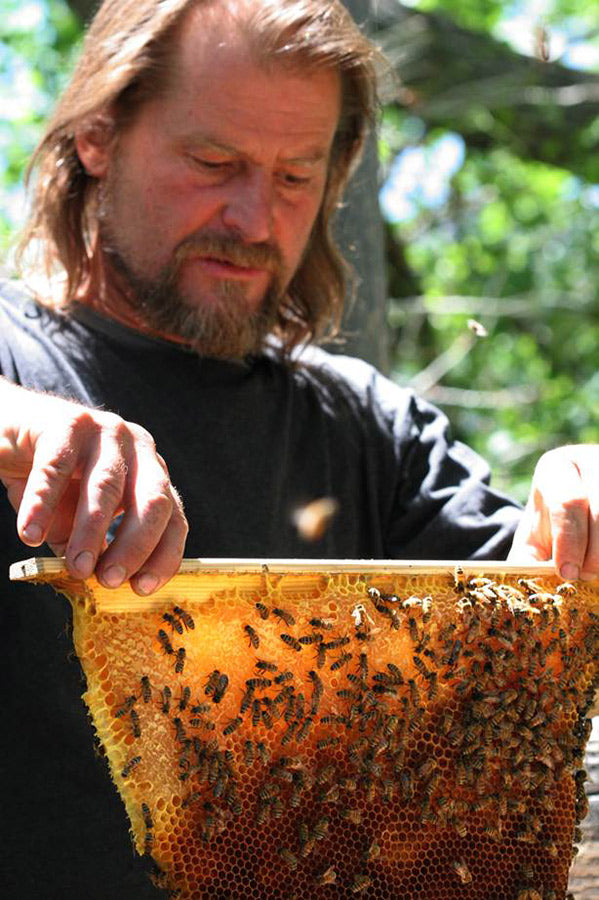
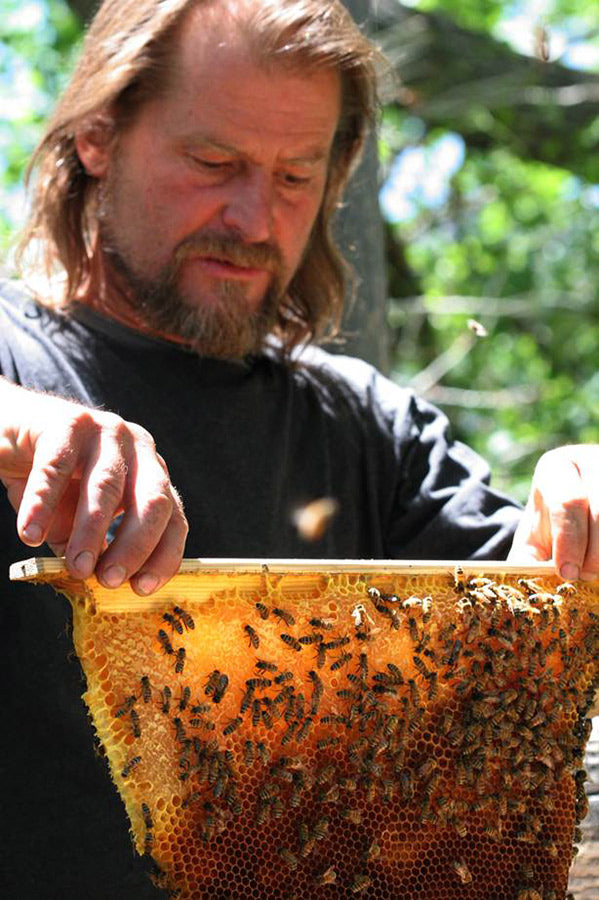
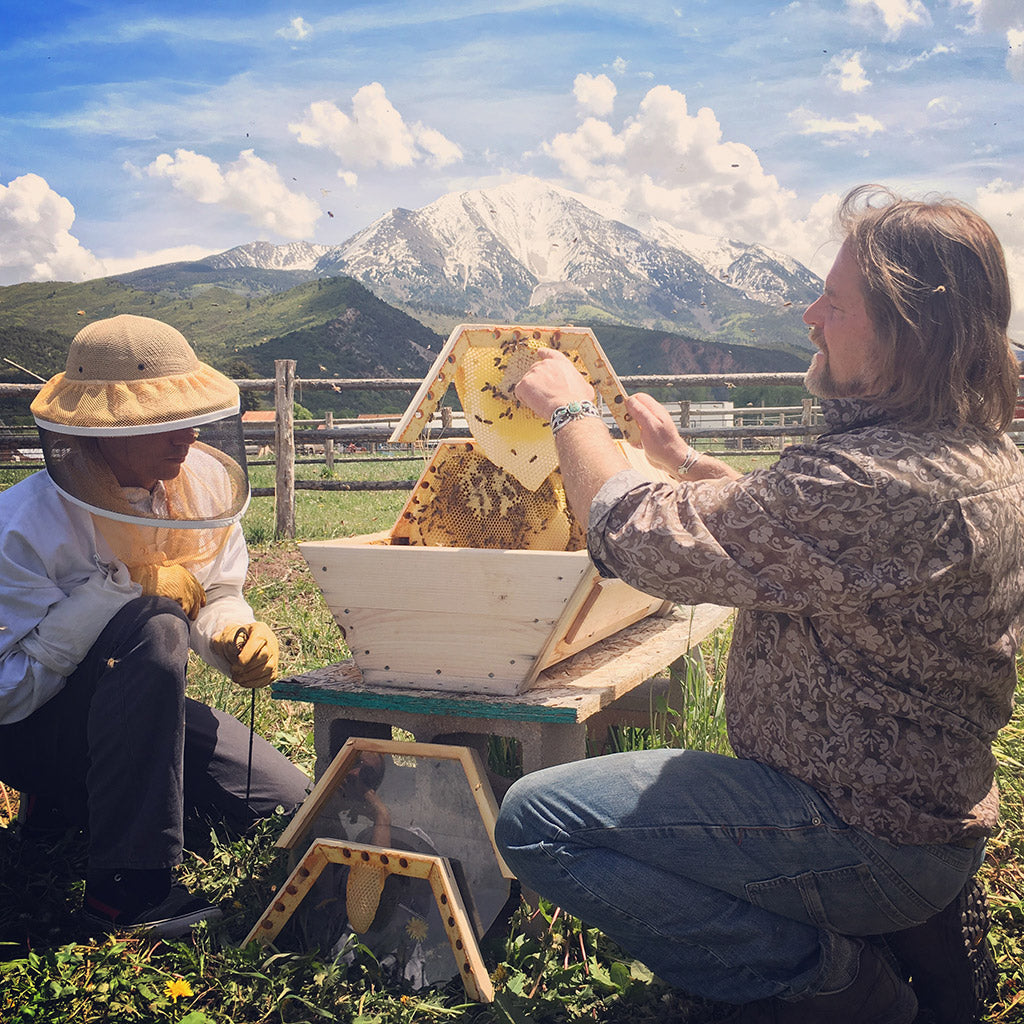
I want to share with you a very simple method of harvesting comb from a top bar hive. This should give you an idea of the potential yield and the relative simplicity of working with the top bar hive. The best part of this single comb harvesting method is that it can be done in less than 30 minutes and you will still get to the office on time!  

read more>>

Download BackYardHive Plans (For The Do-It-Yourself Beekeeper)

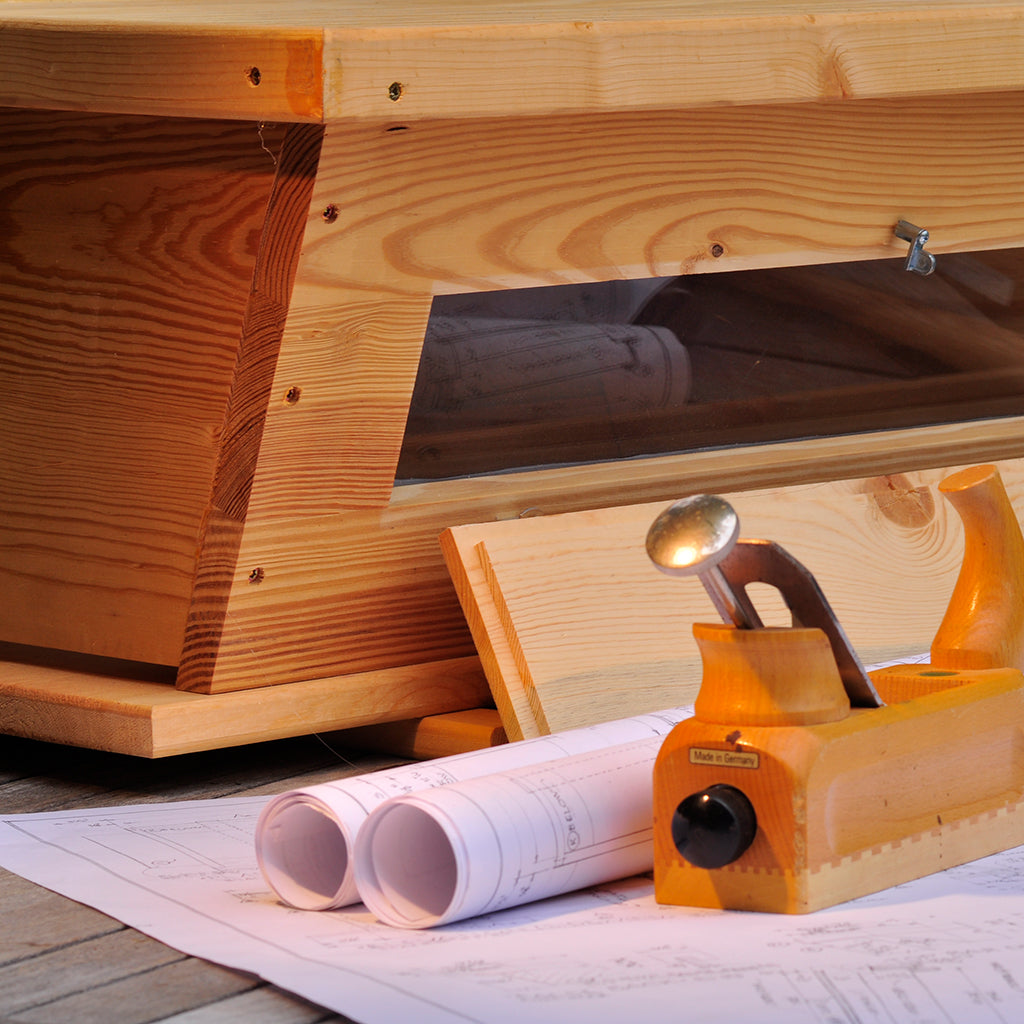
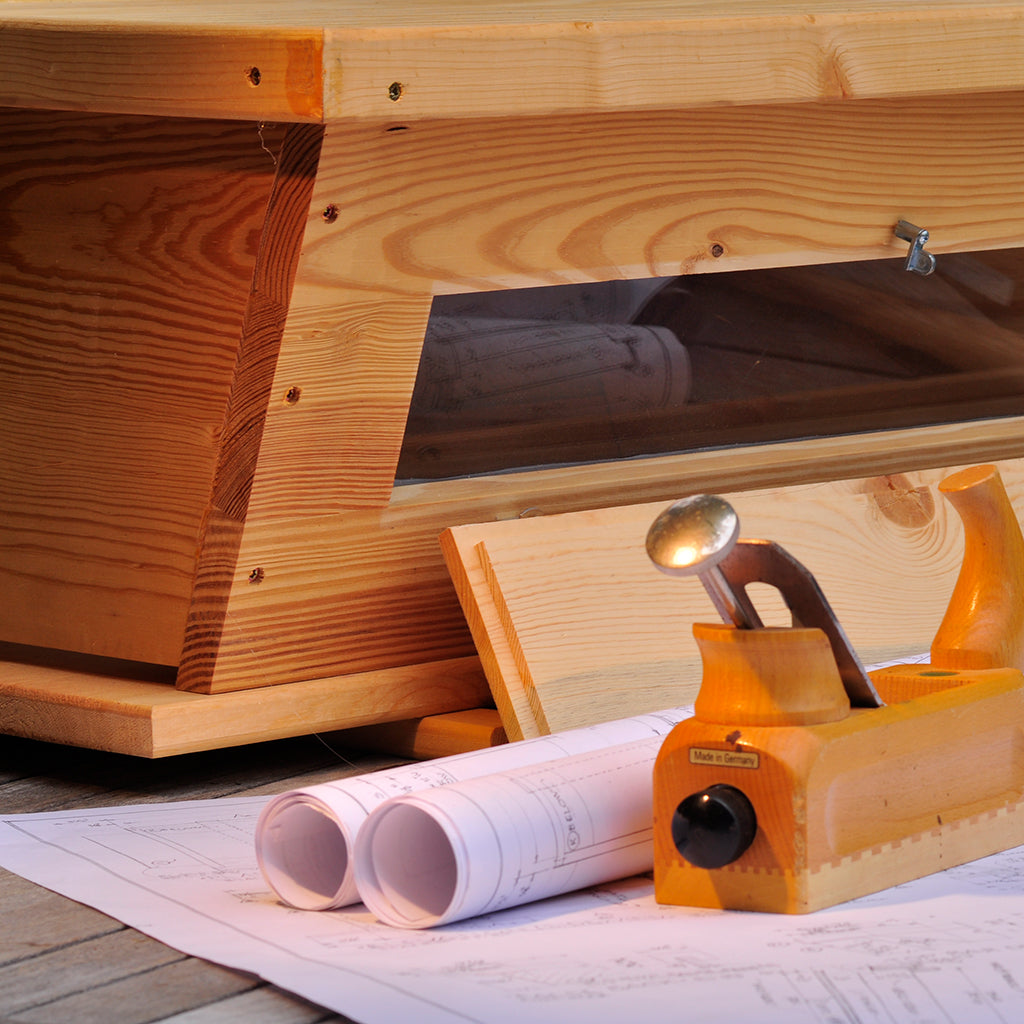
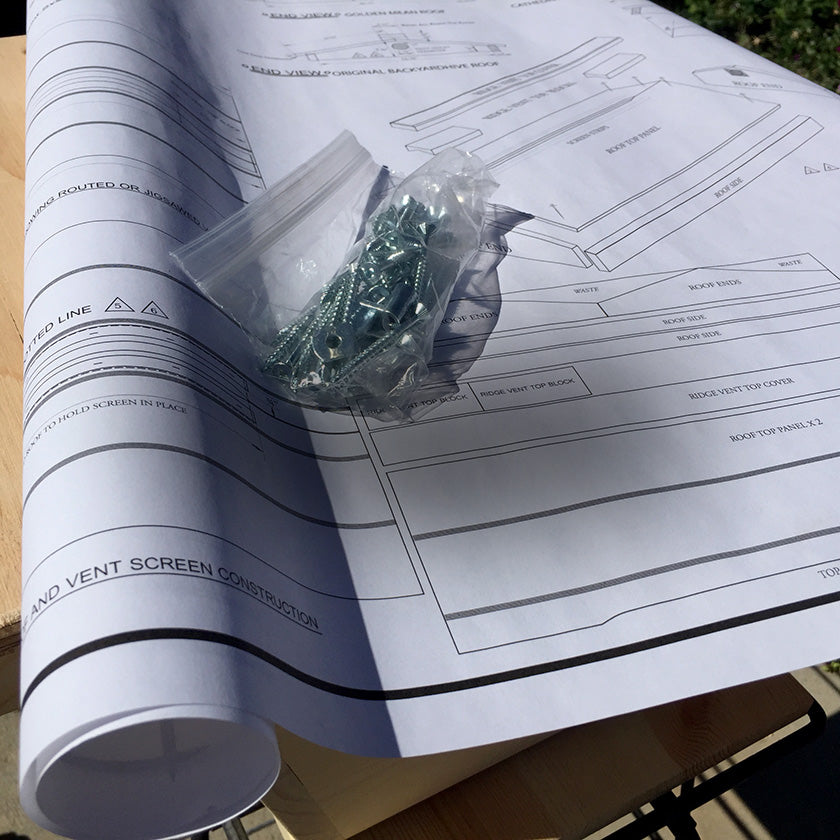
Are you an accomplished woodworker with some time on your hands?  If so,Woodworking Image you may want to build your own topbar hive the BackYardHive way. 


We have just uploaded a downloadable PDF document that provides all of the measurements, specifications, and materials you will need.  Of, course, we can't supply the time, tools, and expertise, but if you are ready to tackle the project, these plans will help.


Download BackYardHive Plans for the Do-It-Yourself Beekeeper
Note: You will need Acrobat Reader to open this file. You can
download Acrobat Reader for free.


read more>>

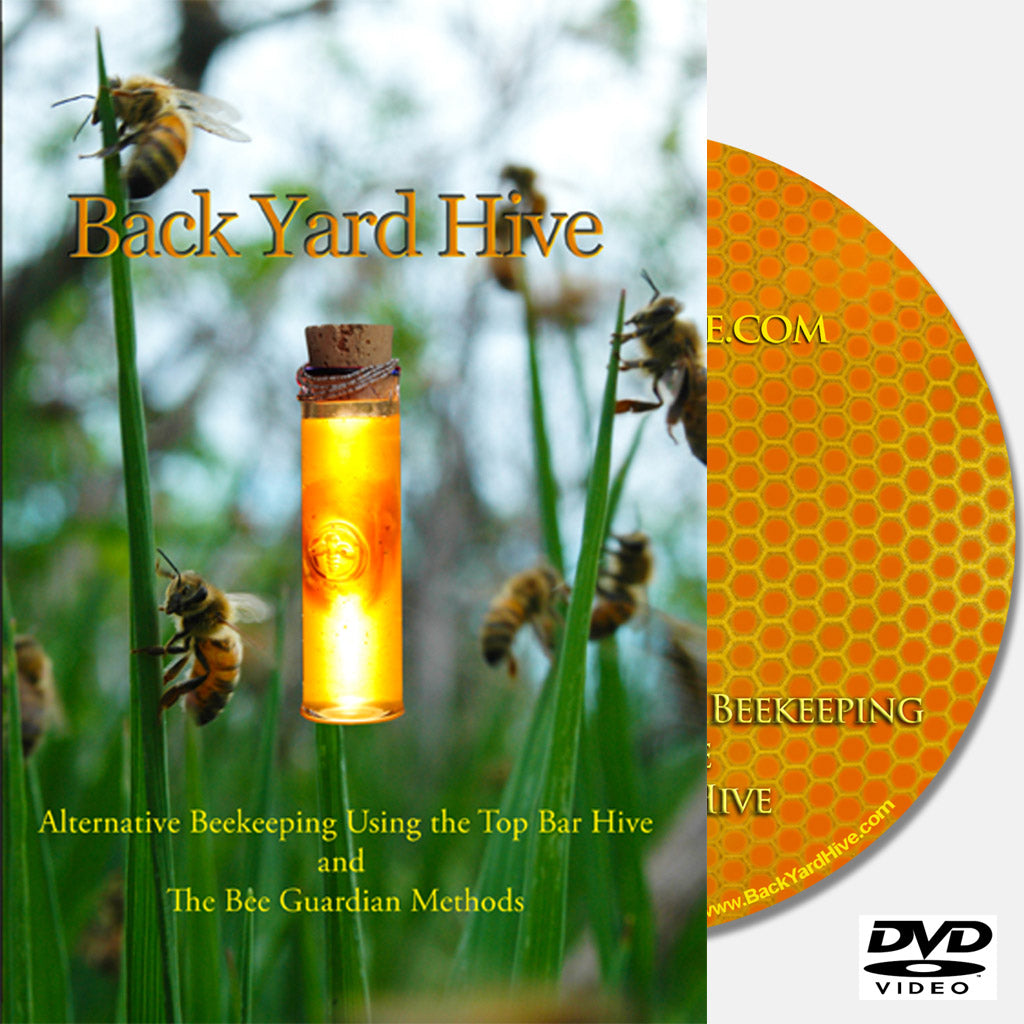
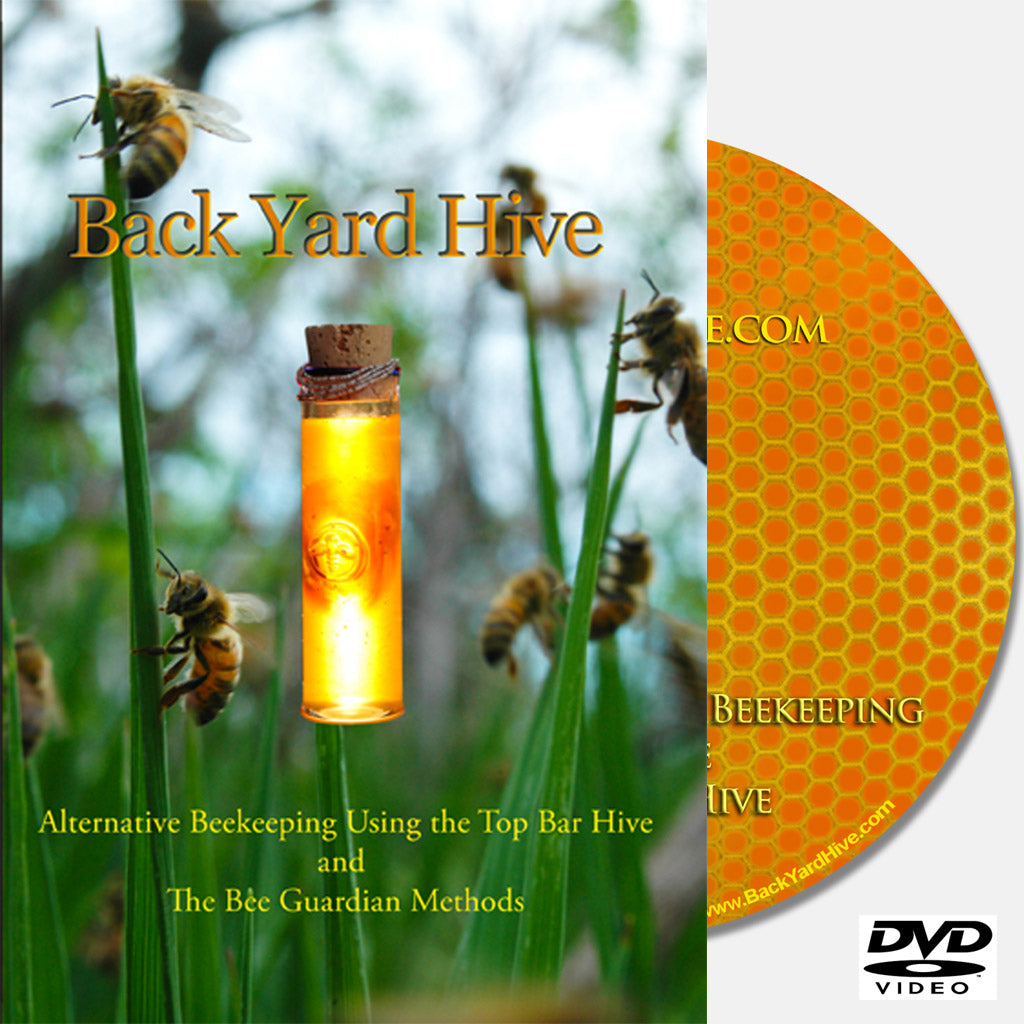
Image DVD: Getting Started in Beekeeping with the Top Bar Hive

This is a short 15 minute DVD that is a great introduction to backyard beekeeping "The Fun, Fascinating, and Healthy Hobby of Beekeeping In Your Backyard". It is intended to inform and educate through video, showing hands-on demonstrations of common beekeeping tasks. We are in full production of a second DVD that will be available in the spring of 2010. We will let you know
when the new DVD is completed!


read more>>

6 Steps to Get You Started With a Top Bar Hive

If you are just starting beekeeping or thinking about starting, then this is the time to
catch the wave to get setup for bee season. The first year of caring for
bees in the top bar hive is a simple setup.

You will need to:

1)
Purchase or build a hive
2) Find a resource and order bees
3) Find a location for your hive
4)
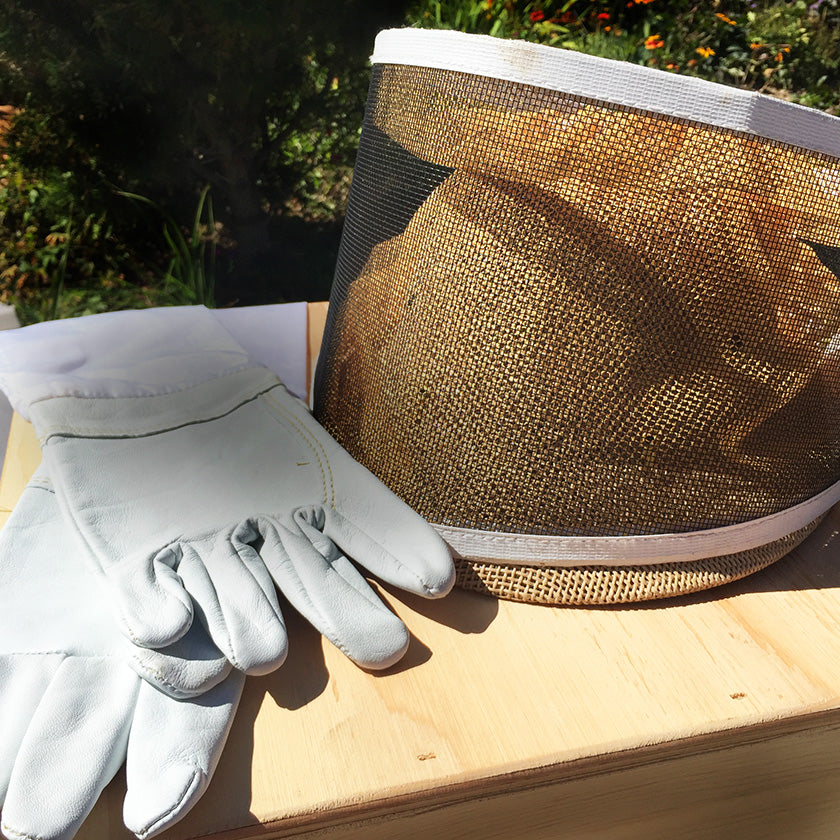
Purchase protective clothing
5) Coat the top bars with beeswax
6) Install the swarm or package of bees


read more>>

Powered by iJoomla Magazine
Syndicate